
53 resultater
-
Tech-Air® 5 Plasma System -
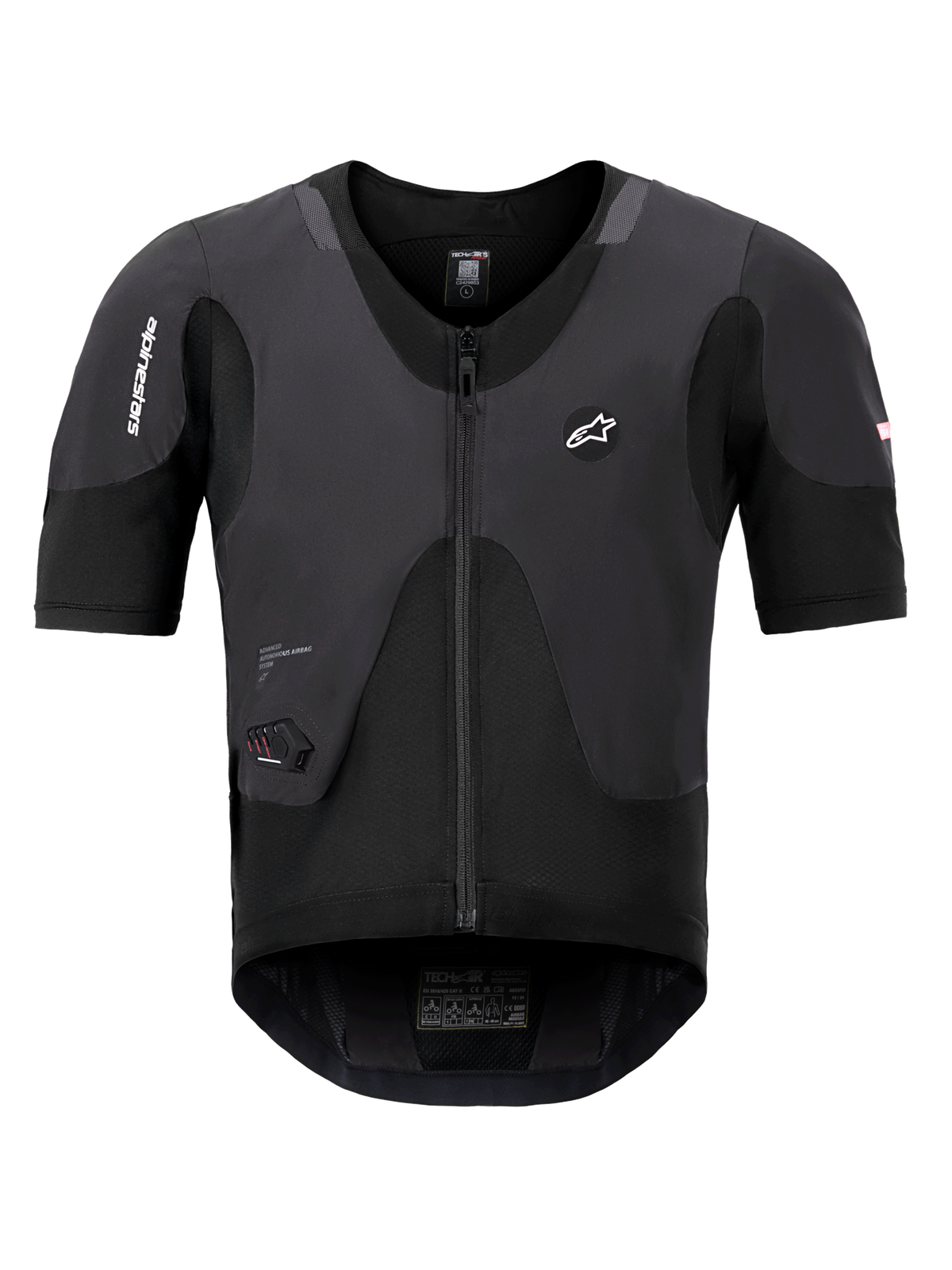
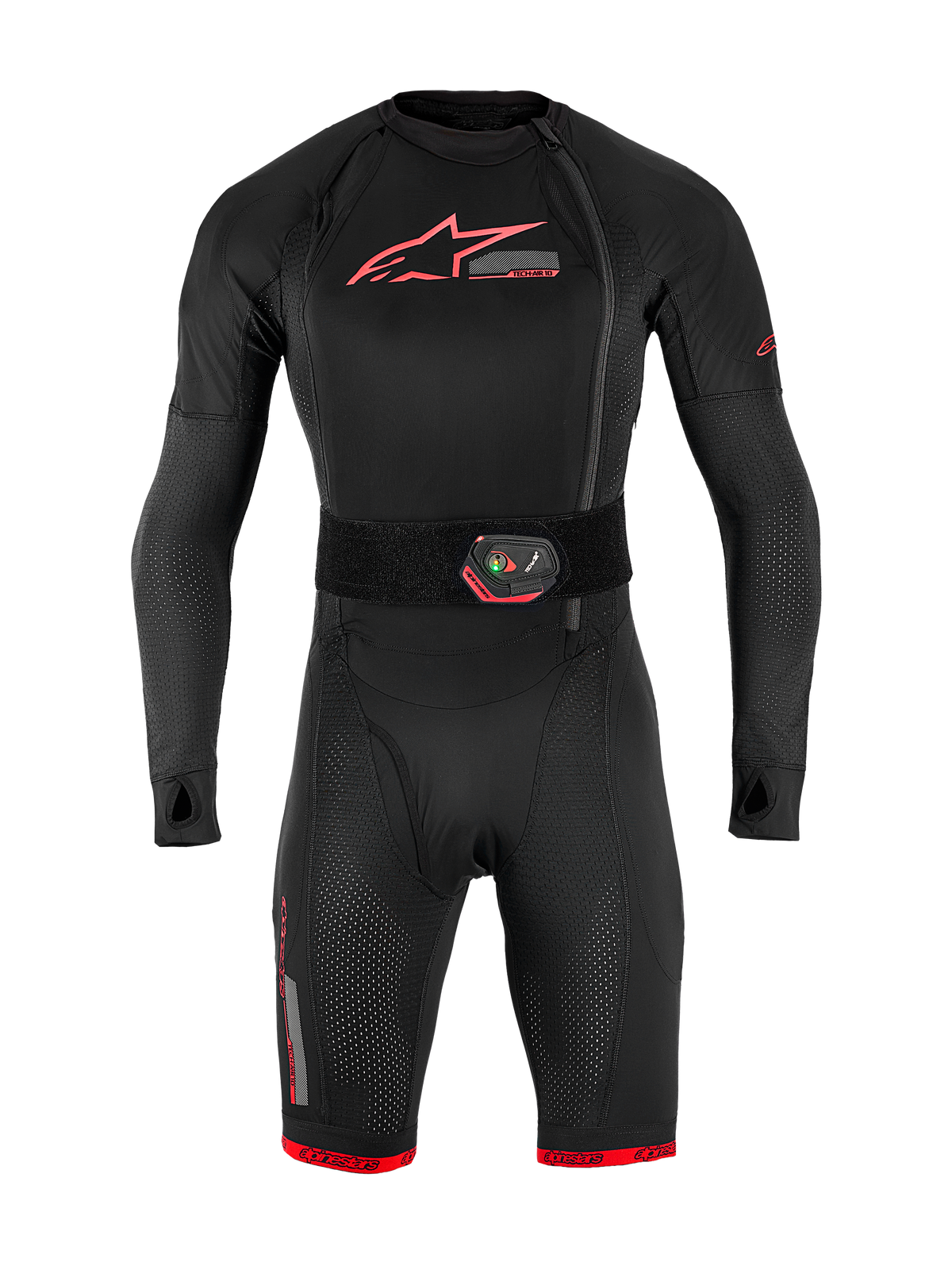
Tech-Air® 10 V2 Race Airbag System -
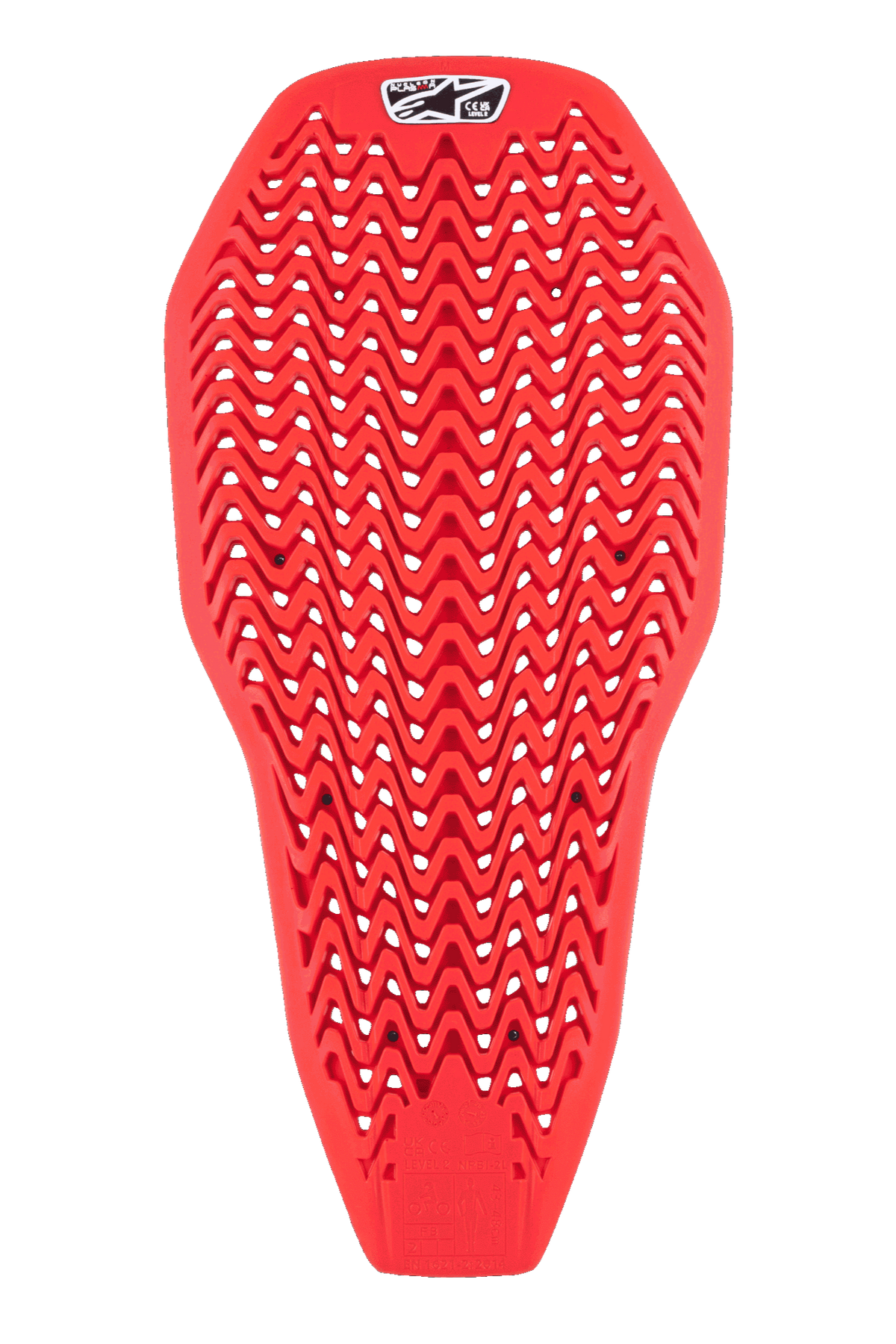
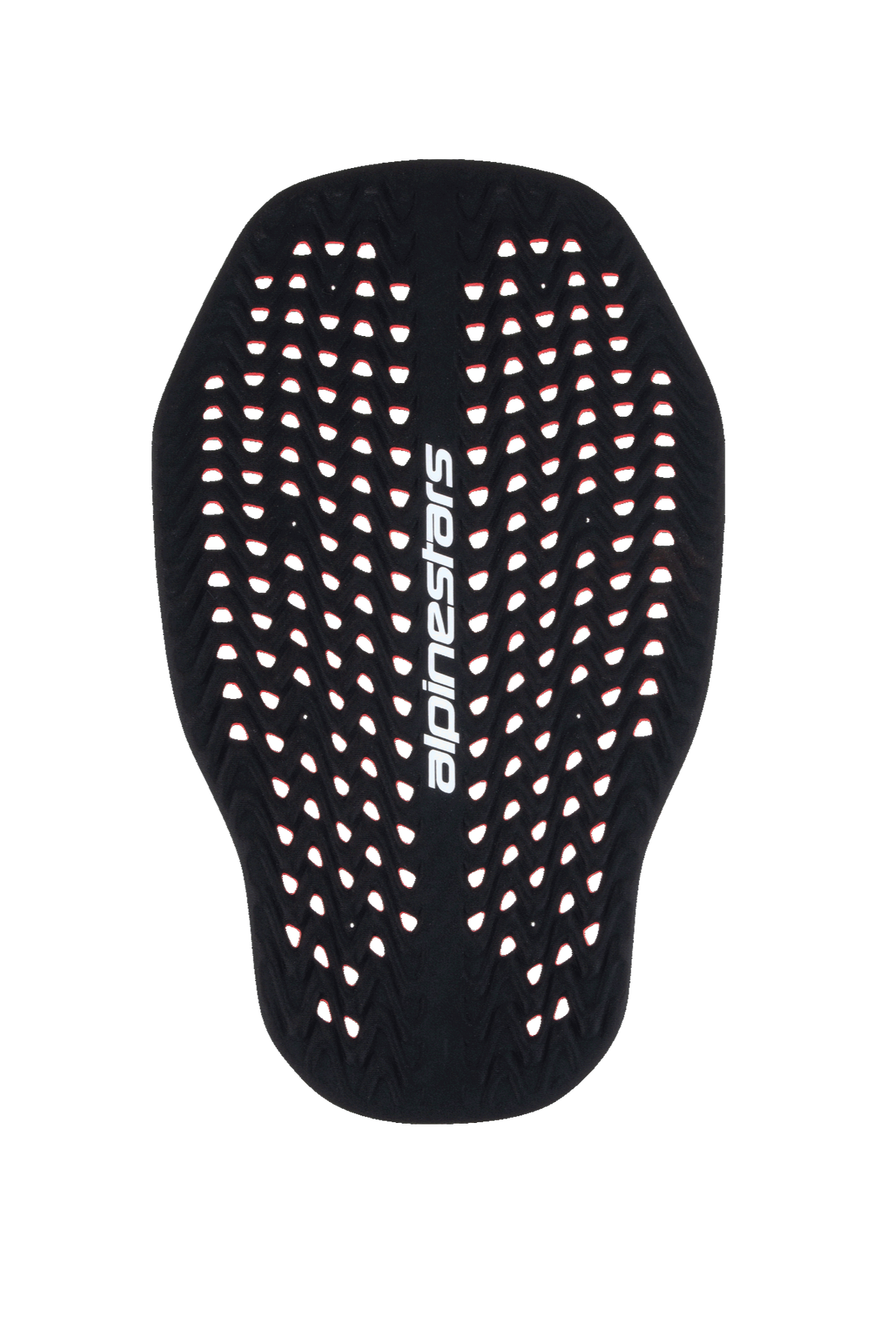
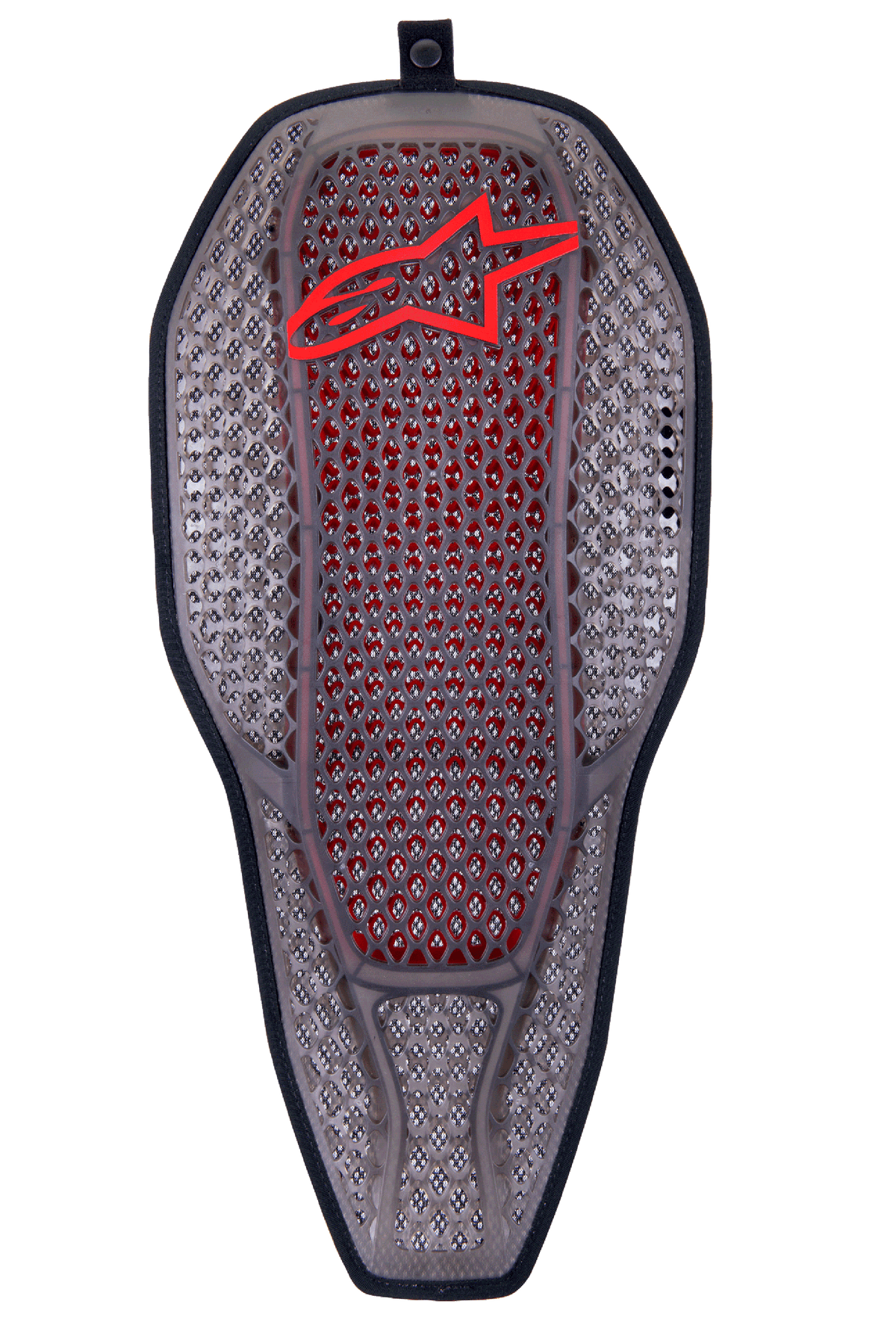
Nucleon Plasma Fuldlængde Rygbeskytter Indsats -
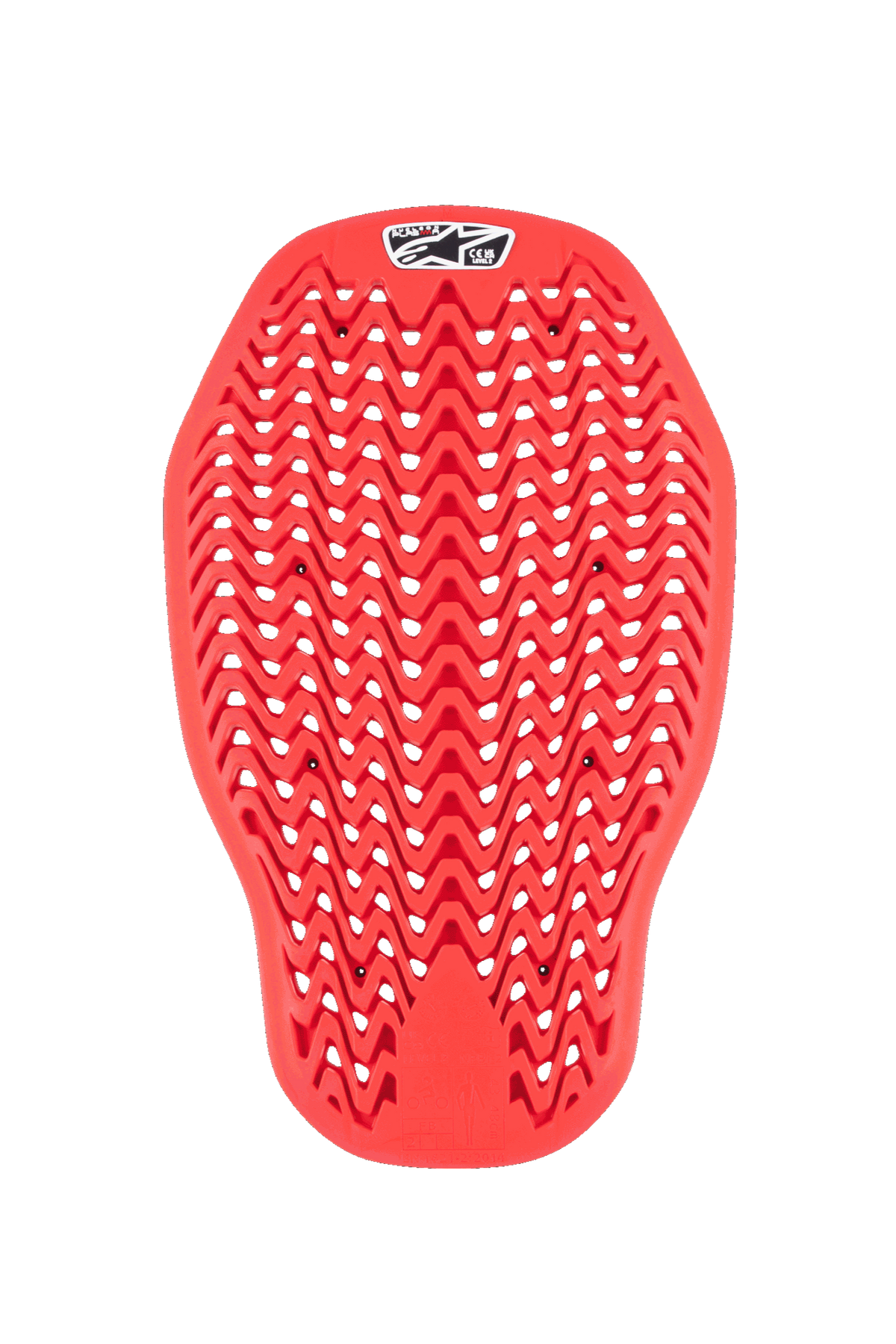
Nucleon Plasma Indsats Til Rygbeskytter -
Tech-Air® 7X System -
Stella Tech-Air® 3 V2 System -
Nucleon Kr-Cell Beskytter -
Nucleon Kr-2 Rygbeskytter -
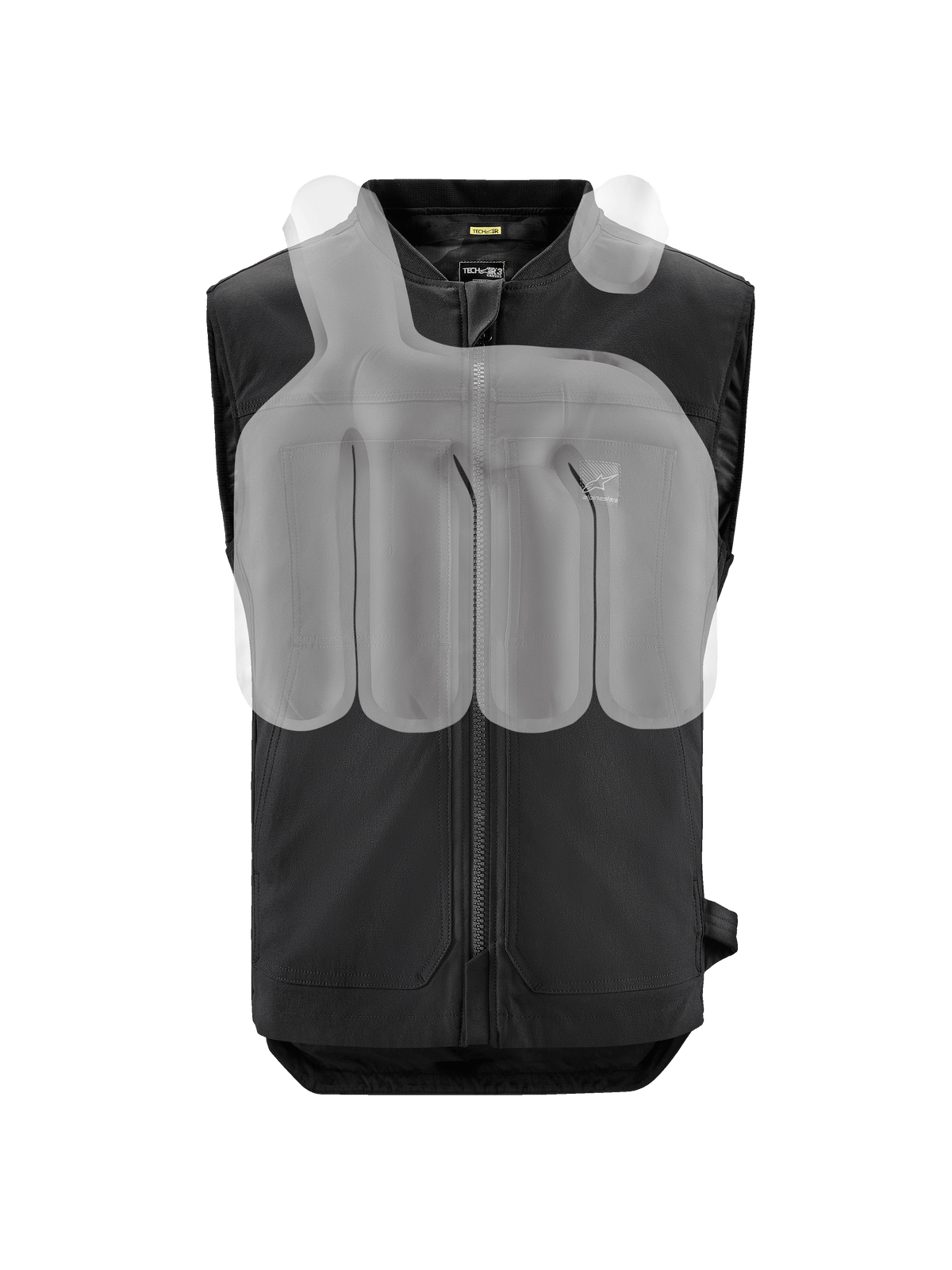
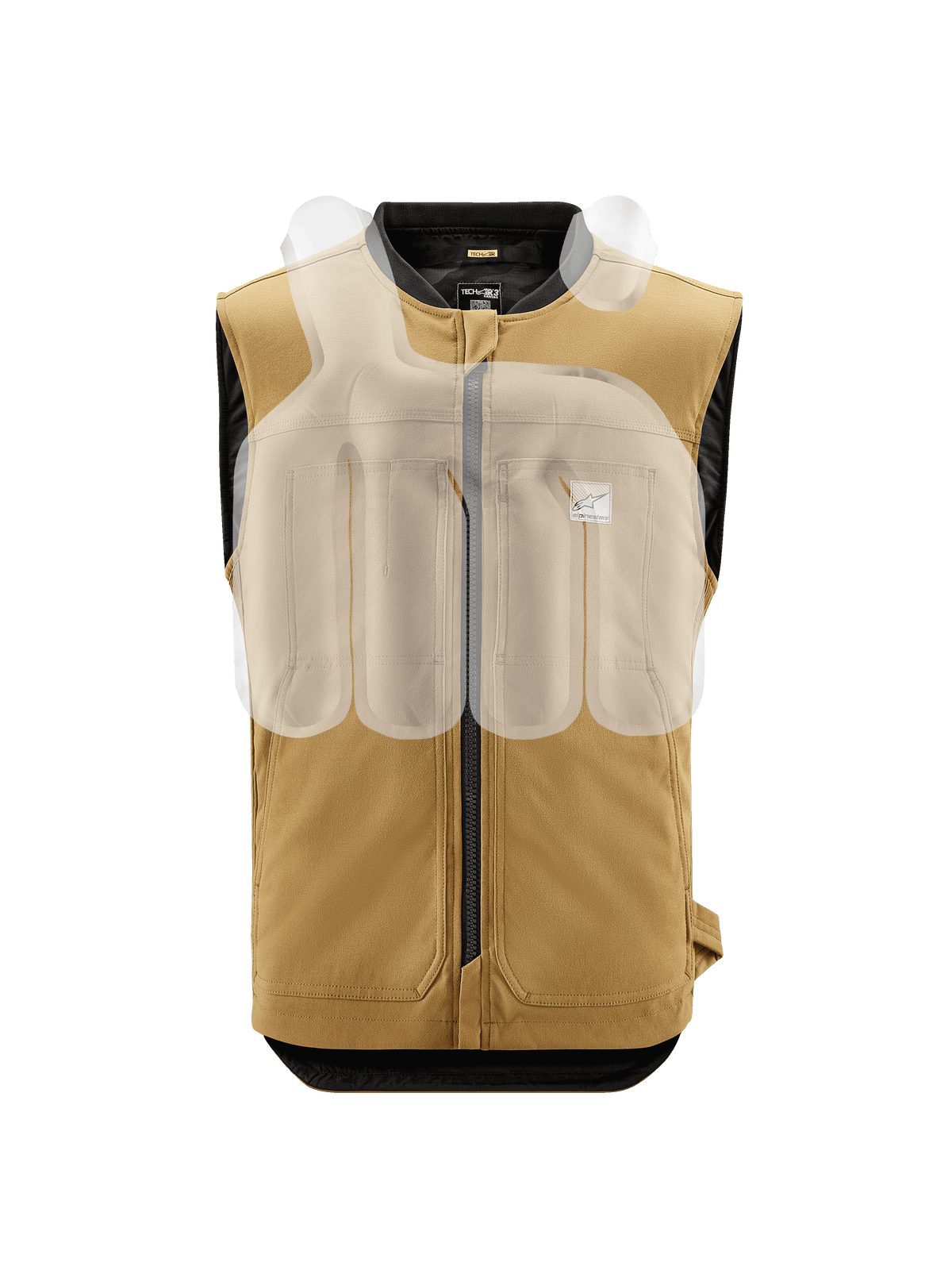
Tech-Air® 3 V2 Canvas System -
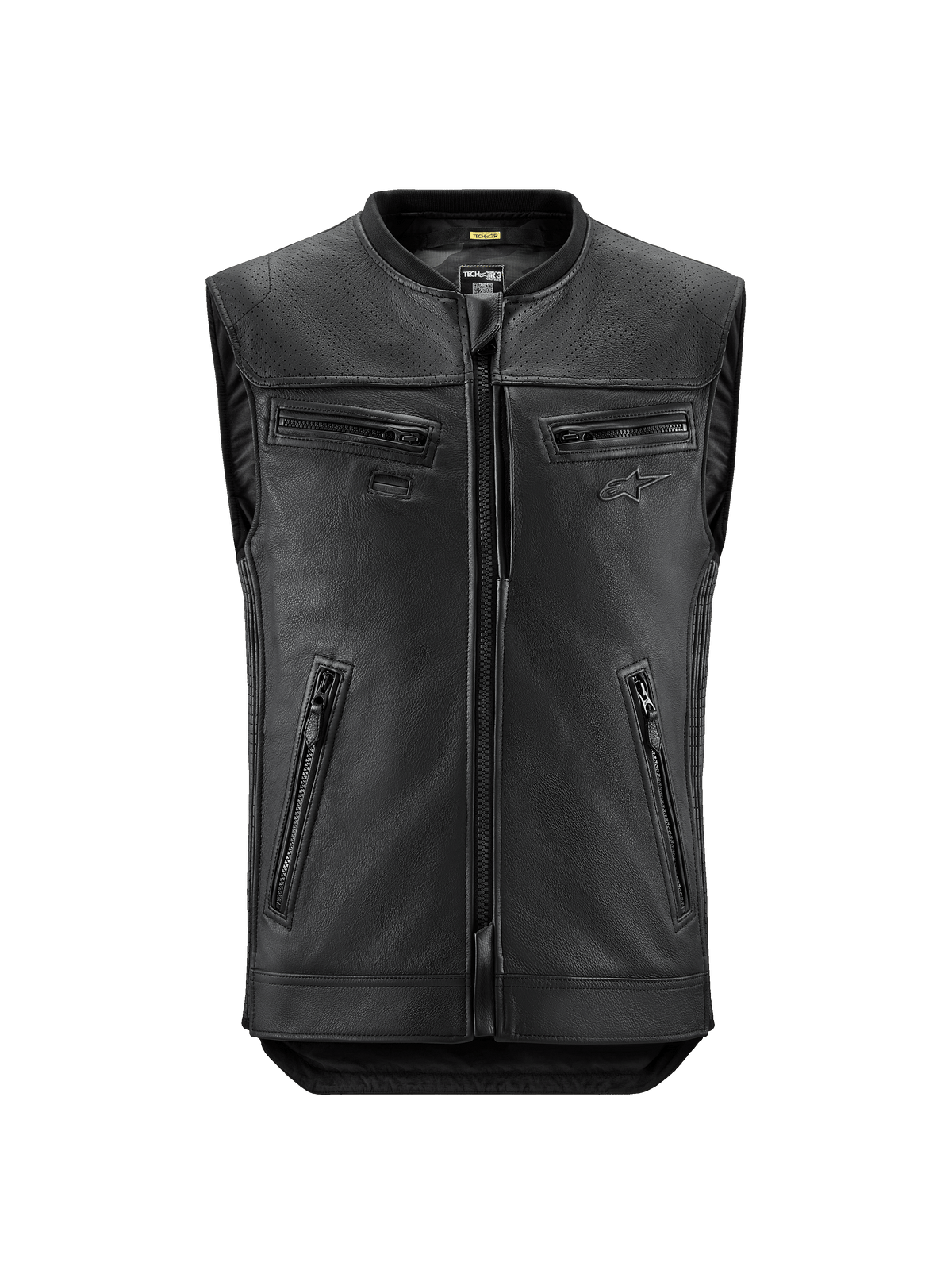
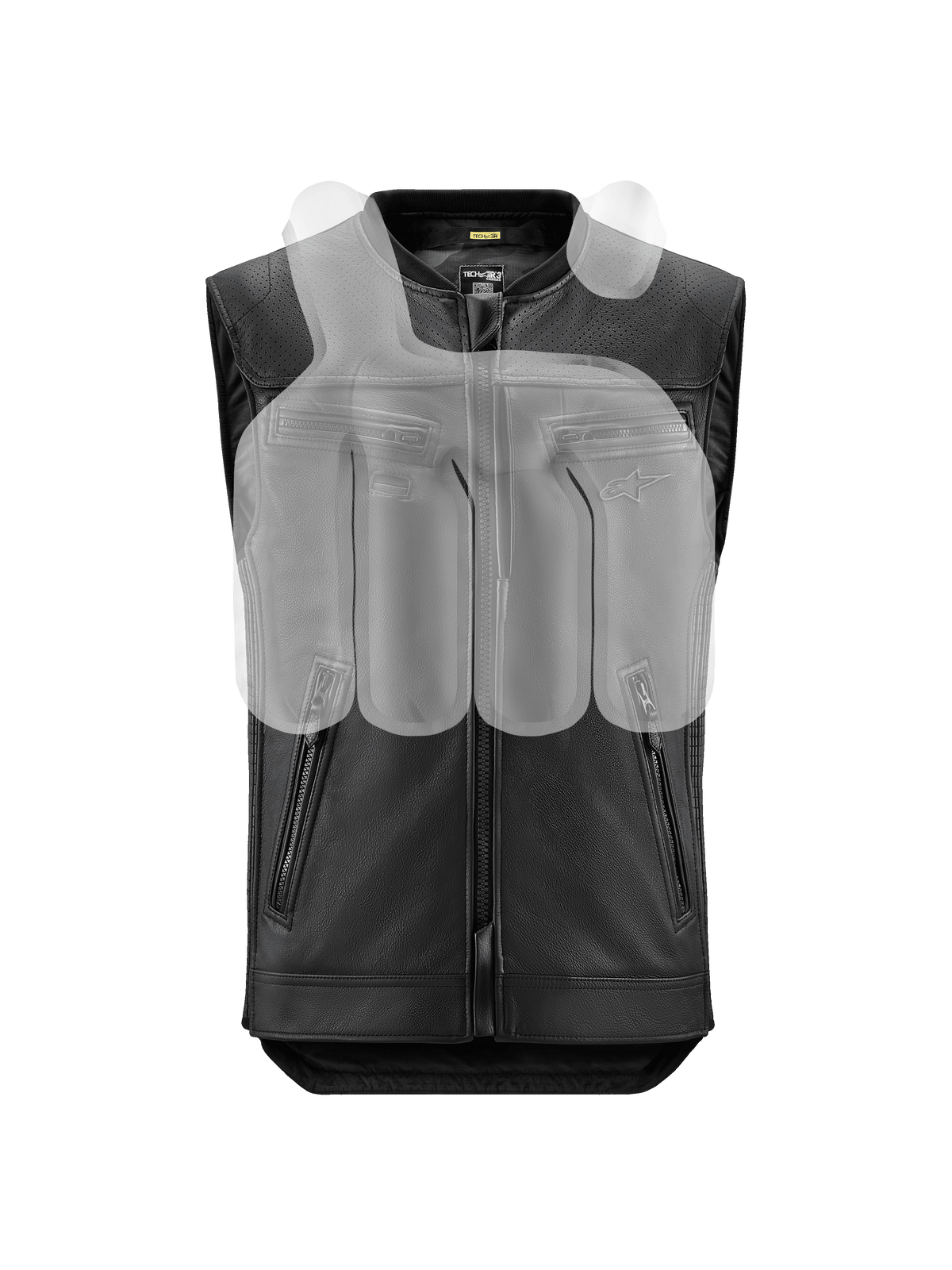
Tech-Air® 3 V2 Læder System -
GP Plus Knæslider -
GP Tech Knæslider -
Tech-Air® 3 V2 Canvas System -
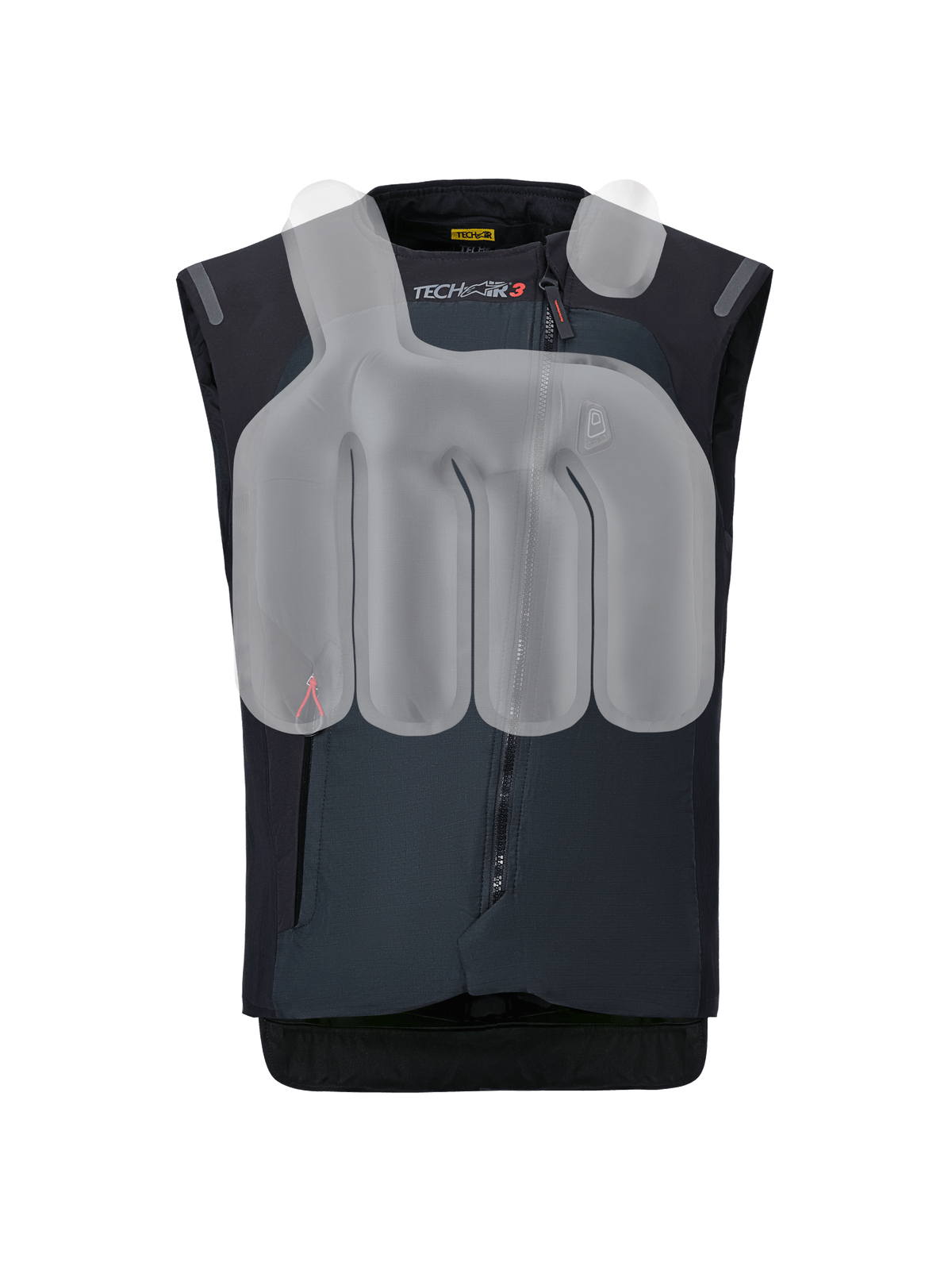
Tech-Air® 3 V2 System -
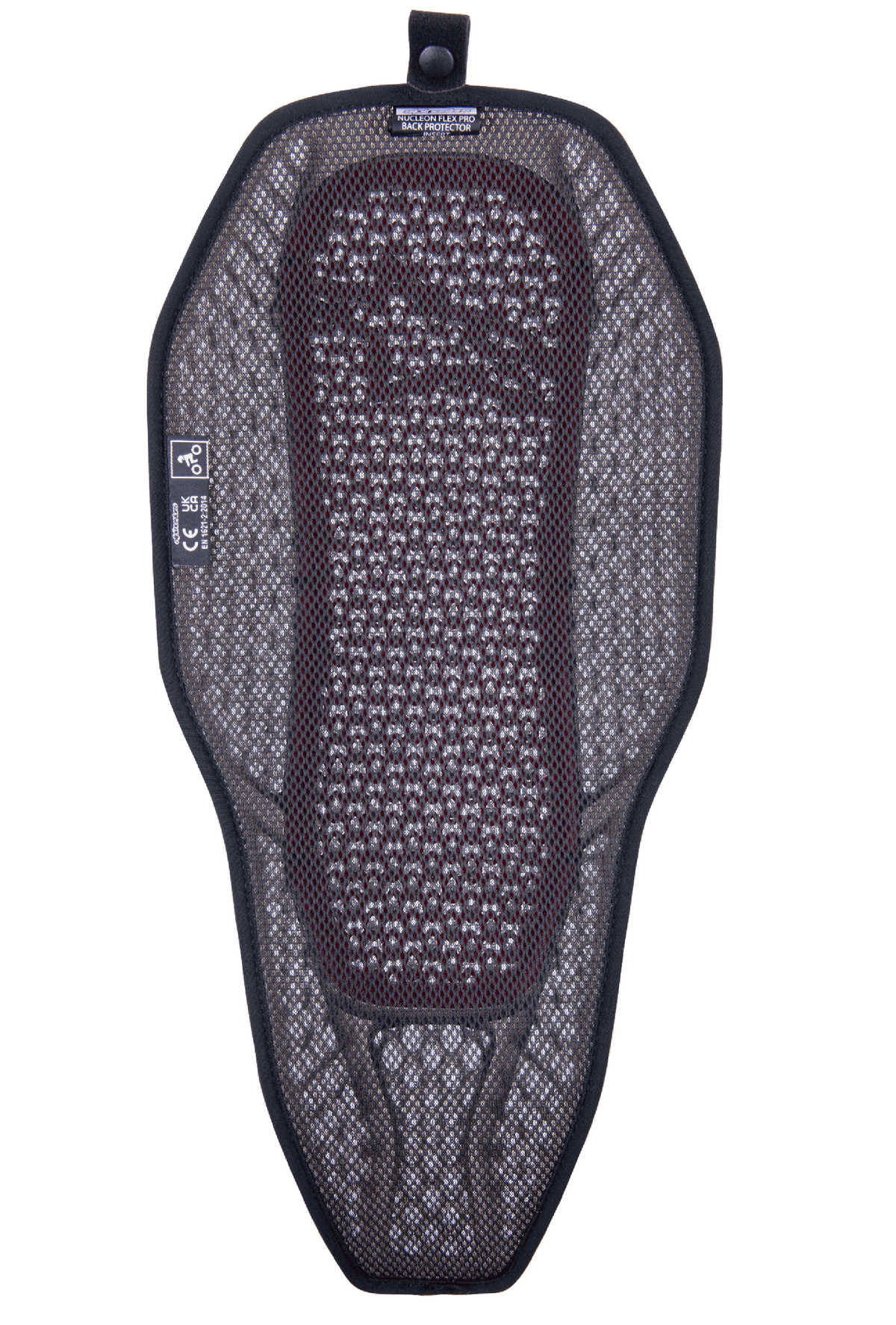
Nucleon Flex Pro Fuldlængde Rygbeskytter Indsats -
Nucleon KR-1 Cell i Rygbeskytter -
Tech-Air® 3 V2 System -
Tech-Air® 5 System -
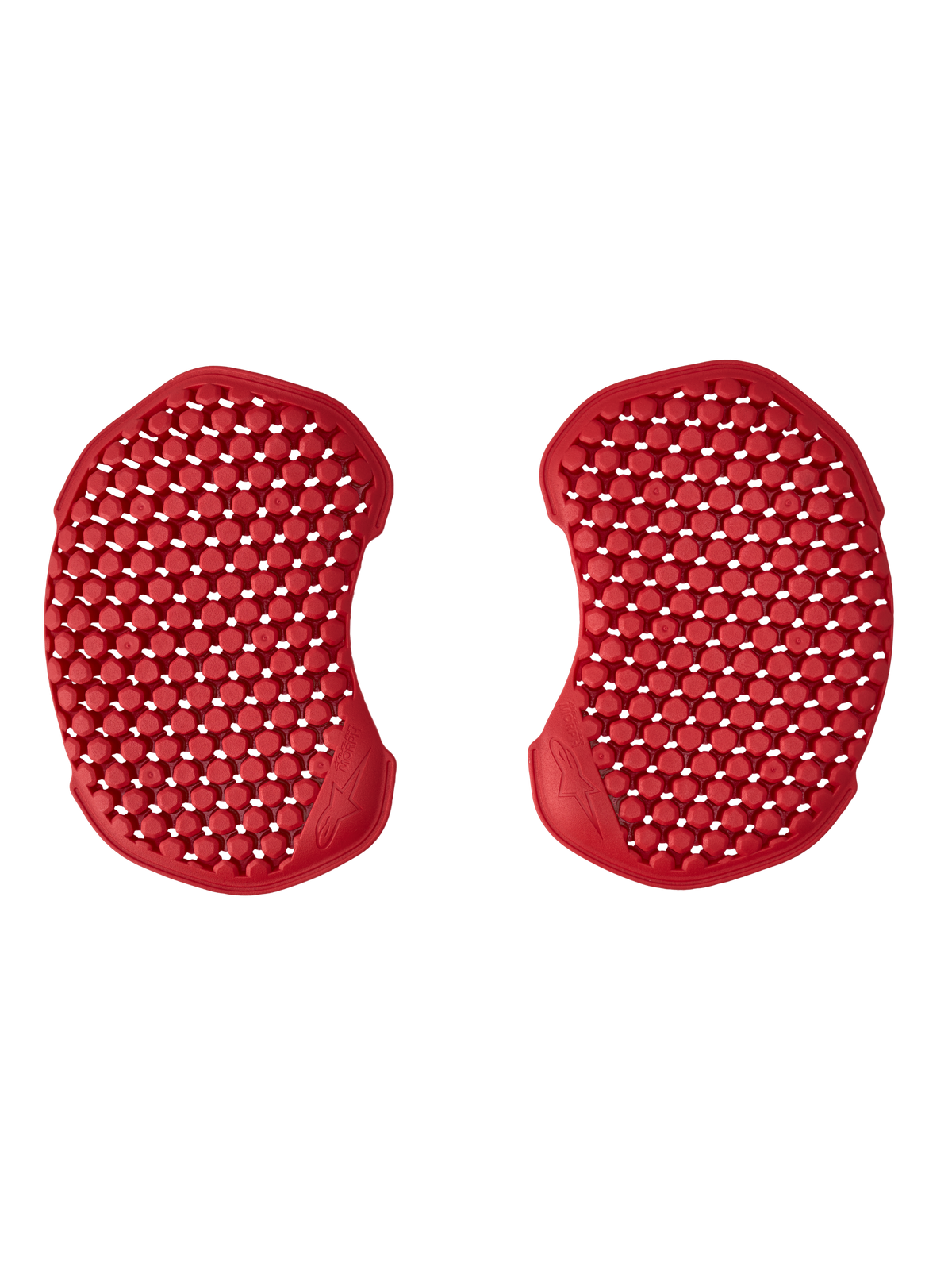
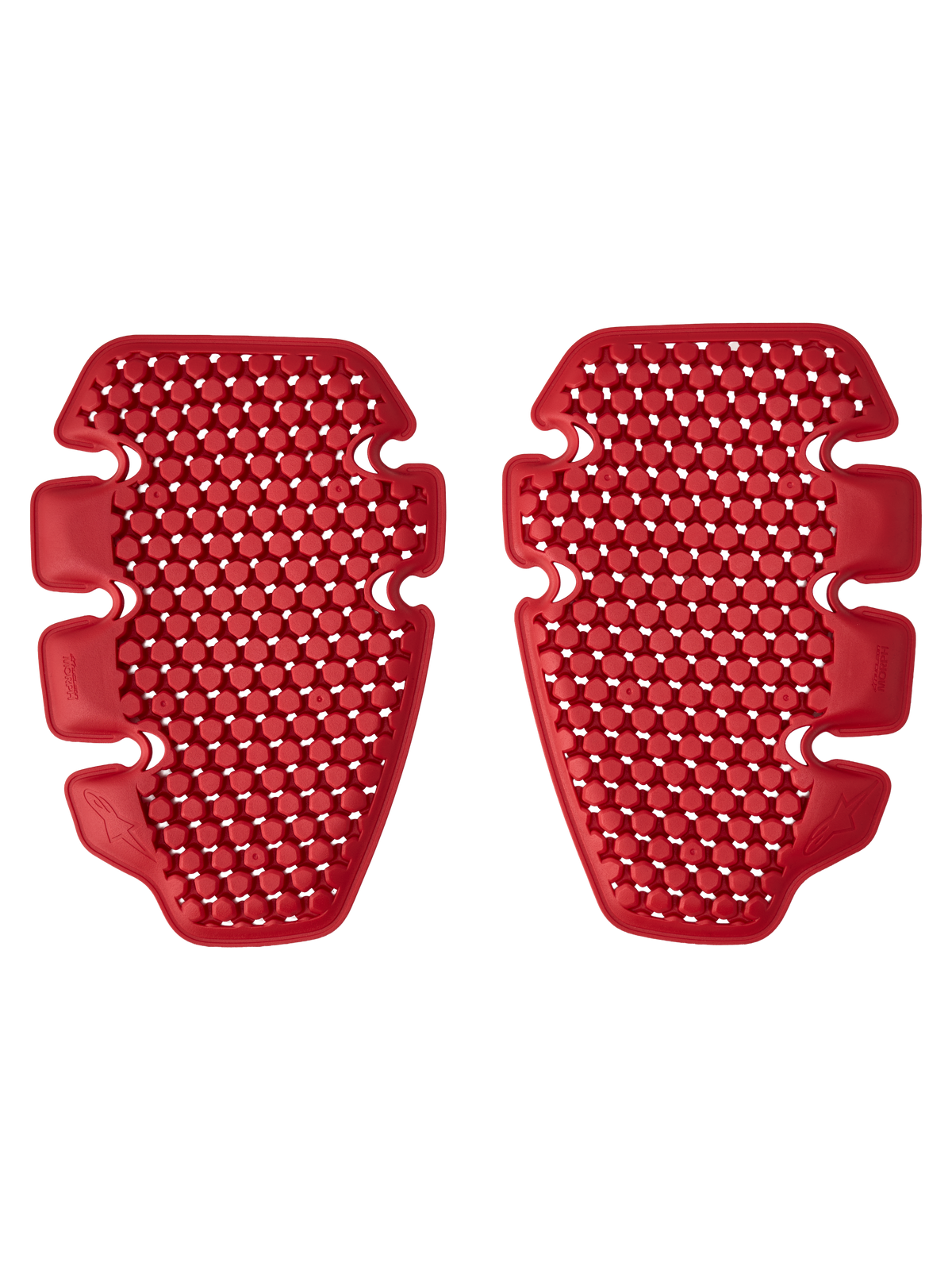
Nucleon Morph STEALTH Hoftebeskytter -
Nucleon Morph STEALTH Knæbeskytter -
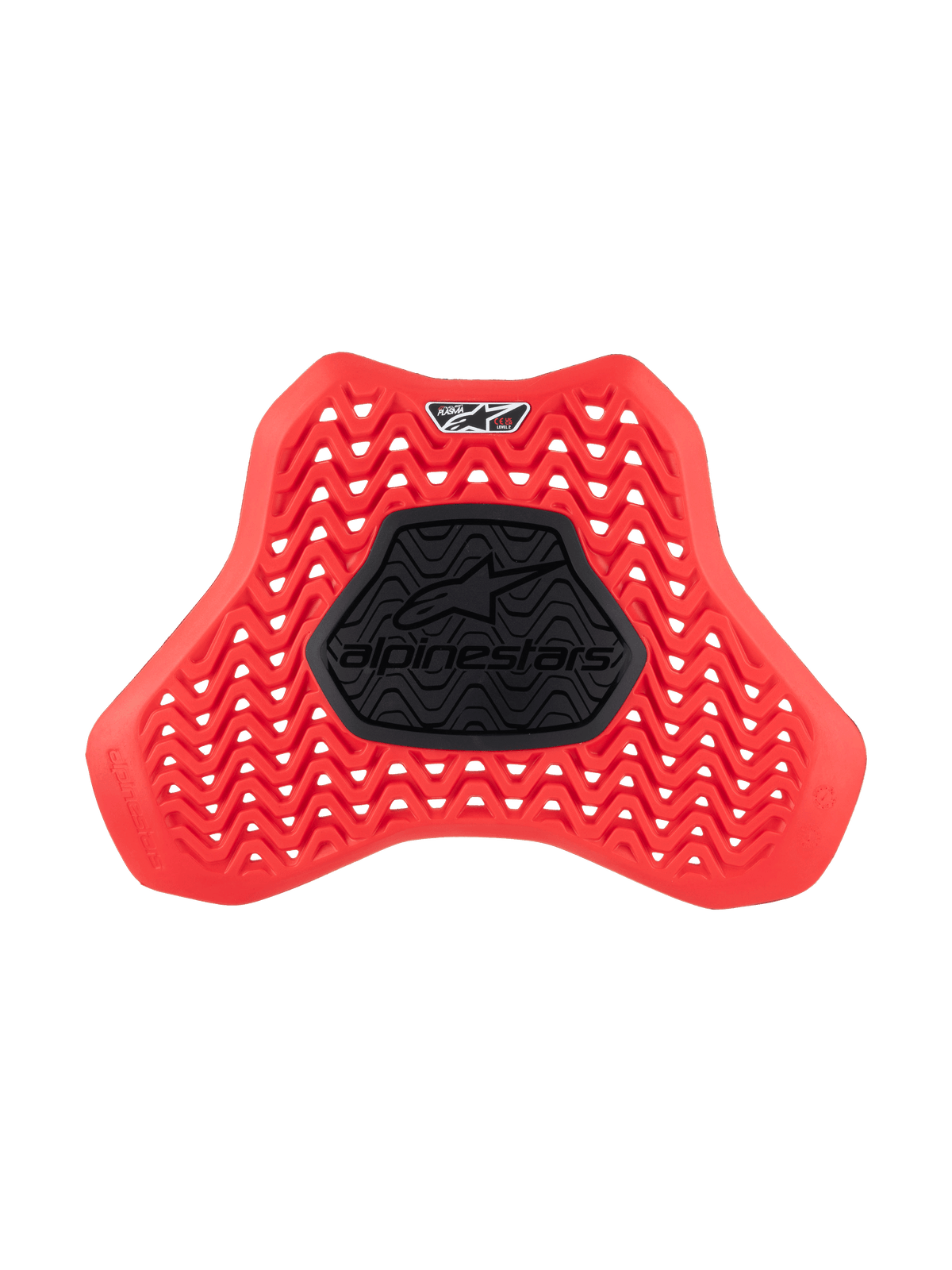
Nucleon Plasma Delt Brystbeskytter -
Nucleon Plasma Fuldlængde Brystbeskytter Indsats -
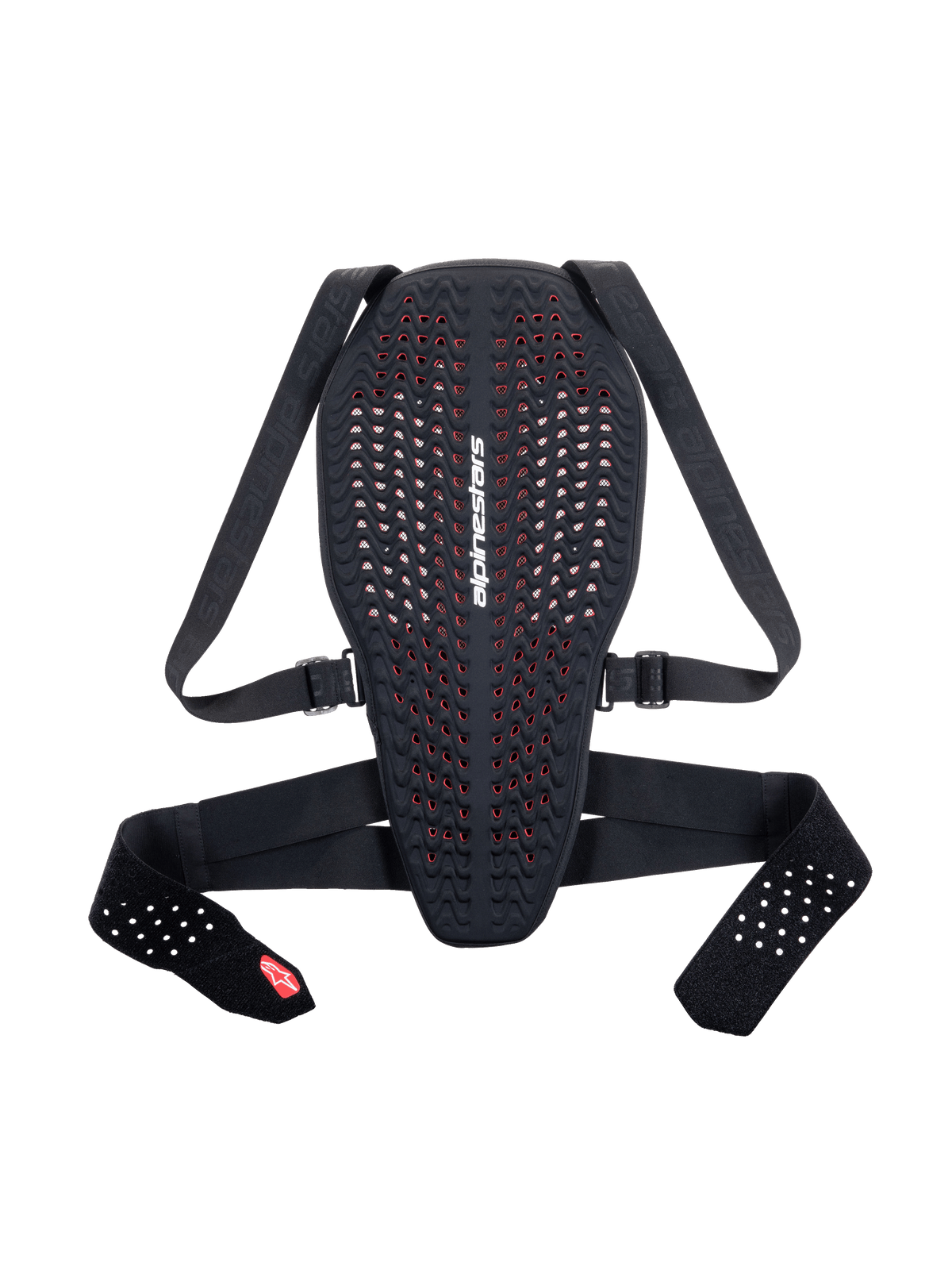
Nucleon Plasma Rygbeskytter -
Nucleon Kr-2 Rygbeskytter -
GP Plus Knæslider -
GP Plus Knæslider -
Nucleon Kr-3 Rygbeskytter -
Nucleon Kr-Y Rygbeskytter Ungdom -
GP Tech Knæslider -
GP Plus Knæslider -
Nucleon Kr Cell Ci S Brystbeskytter -
Nucleon Plasma Fuld Brystbeskytter Med Velcro -
Nucleon KR Cell Cir Beskyttere -
Nucleon Kr-C Brystbrynje -
Nucleon KR-1 Cell Rygbeskytter -
Nucleon Kr-Celli Indsats Til Rygbeskyttelse




























Ofte stillede spørgsmål Skjul FAQ
Hvad betyder CE-niveau 1 og 2 for kropsbeskyttere til motorcykelkørsel?
CE-niveauerne angiver, hvor meget stødkraft en beskytter lader passere ved test efter EN-standarderne. Niveau 2 tillader mindre overført kraft end niveau 1 og stiller dermed højere krav til støddæmpningen, når beskytteren sidder korrekt.
| Standard | Område | Niveau 1 (maks. gennemsnitlig kraft) | Niveau 2 (maks. gennemsnitlig kraft) |
|---|---|---|---|
| EN 1621‑1 | Skulder, albue, hofte, knæ (lemmer) | ≤ 35 kN | ≤ 20 kN |
| EN 1621‑2 | Ryg | ≤ 18 kN | ≤ 9 kN |
| EN 1621‑3 | Bryst | ≤ 18 kN | ≤ 9 kN |
Vælg det niveau, der passer til din kørsel og dine komfortbehov. Beskyttere med et højere niveau kan være tykkere eller fastere. Sørg for korrekt pasform, så beskyttelsen bliver siddende på det rette sted, når du kører på motorcyklen.
Hvordan vælger jeg den rigtige størrelse og pasform til en rygbeskytter eller brystbeskytter?
Tag udgangspunkt i din højde og dine mål for overkrop og bryst, og følg størrelsesvejledningen på hver produktside. En rygbeskytter skal dække fra den øverste del af rygsøjlen mellem skulderbladene ned mod halebenet uden at være i vejen, når du sidder på sædet. En brystbeskytter skal sidde centreret over brystbenet og brystkassen uden mellemrum.
Prøv beskytterne i kørestilling med de lag, du planlægger at have på. Juster remmene, så beskytteren sidder sikkert uden at begrænse dine bevægelser, og kontrollér, at den bliver på plads, når du rækker frem mod betjeningsgrebene eller ser dig over skulderen.
Kan jeg bruge en kropsbeskytter under min jakke eller sammen med et Tech‑Air-airbagsystem?
De fleste beskyttere til vejbrug er designet til at blive båret under en motorcykeljakke eller køredragt. Hvis din yderbeklædning har lommer med aftageligt beskyttelsesudstyr, kan du bruge separate beskyttere indenunder, så længe der er plads nok til korrekt placering og bevægelsesfrihed.
Ved brug af airbag skal du kun bruge beklædning og lag, der er tydeligt mærket som “Tech‑Air Compatible/Ready”, og følge systemets anvisninger. Undgå at tilføje stive skaller over en airbag, medmindre det specifikke system tillader det. Se Tech‑Air-systemer og Tech‑Air-kompatibilitetskontrollen for flere oplysninger.
Hvad er forskellen på blødt beskyttelsesudstyr, beskyttelsesudstyr med hård skal og stenbeskyttere til motocross?
Blødt, viskoelastisk beskyttelsesudstyr former sig efter kroppen og stivner kortvarigt ved stød for at absorbere energi. Det har en lav profil, som egner sig til vej- og bykørsel. Beskyttelsesudstyr med hård skal kombinerer stive plader med energiabsorberende skum for øget modstand mod gennemtrængning og slid ved glidning. Det bruges ofte til offroad-kørsel og i omgivelser med meget løst materiale.
Stenbeskyttere til motocross, også kaldet roost-deflektorer, testes ofte efter EN 14021 og beskytter primært mod sten og jord, der slynges op under kørslen. De giver ikke nødvendigvis CE-certificeret støddæmpning til bryst eller ryg. Hvis du ønsker stødbeskyttelse, skal du se efter EN 1621‑3 (bryst) og EN 1621‑2 (ryg). Udforsk mulighederne i kategorierne brystbeskyttelse til motorcykelkørsel og MX-beskyttelse.
Hvordan rengør og vedligeholder jeg kropsbeskyttere til motorcykelkørsel?
Tag beskytterne ud af beklædningen, før du vasker yderbeklædningen. Tør beskytterne af med en fugtig klud og mild sæbe. Brug ikke opløsningsmidler, blegemiddel eller høj varme. Lad dem lufttørre væk fra direkte sollys og varmekilder, og undgå langvarig sammenpresning, som kan deformere polstringen.
Kontrollér beskytterne regelmæssigt og efter ethvert styrt. Udskift beskyttere, der har revner, er permanent deformerede eller ikke længere sidder korrekt i dit udstyr.