
26 results
-
Supertech R10 Solid Helmet -
Supertech R10 Solid Helmet -
Supertech R10 Element Helmet -
Supertech R10 Team Helmet -
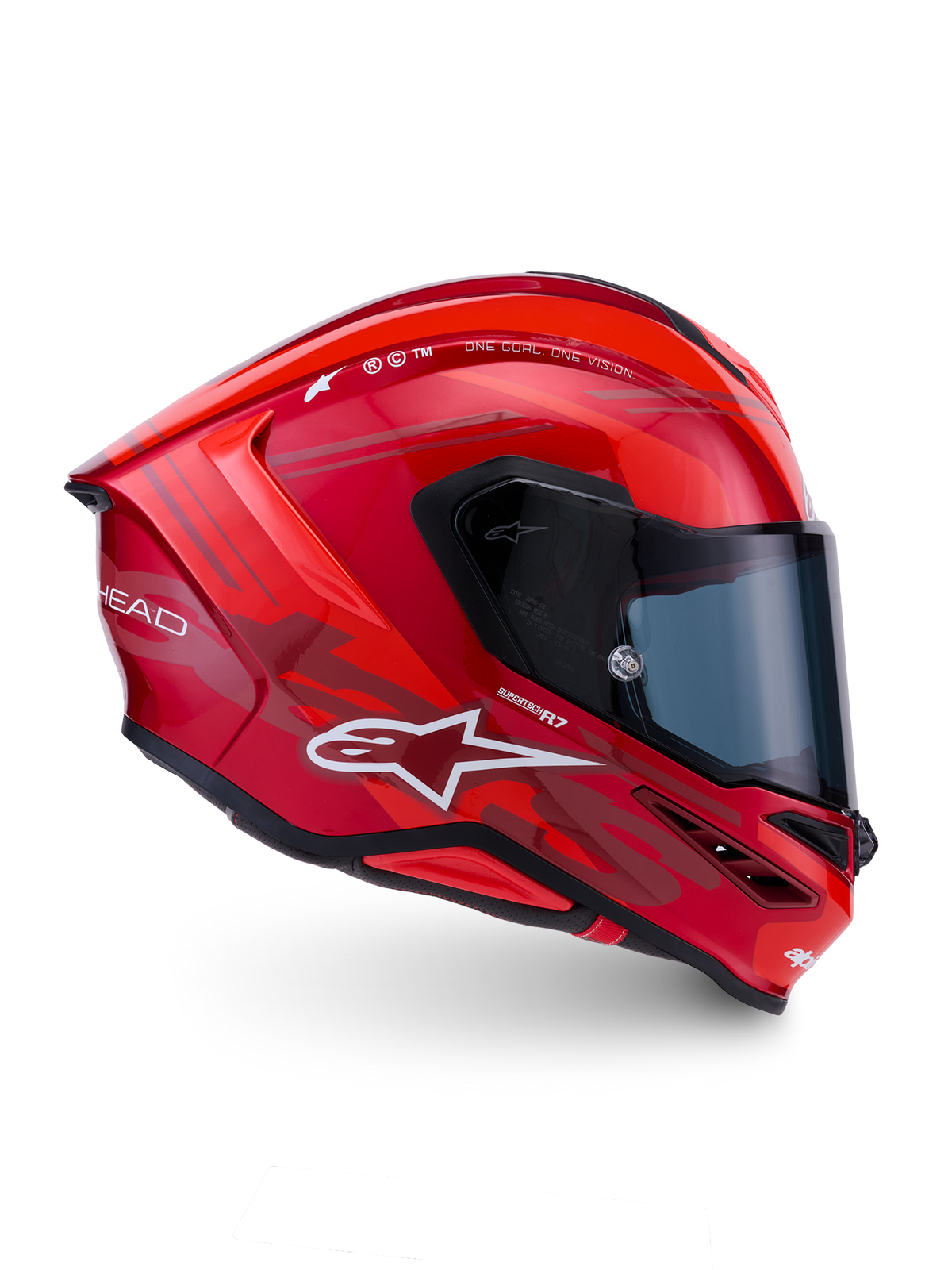
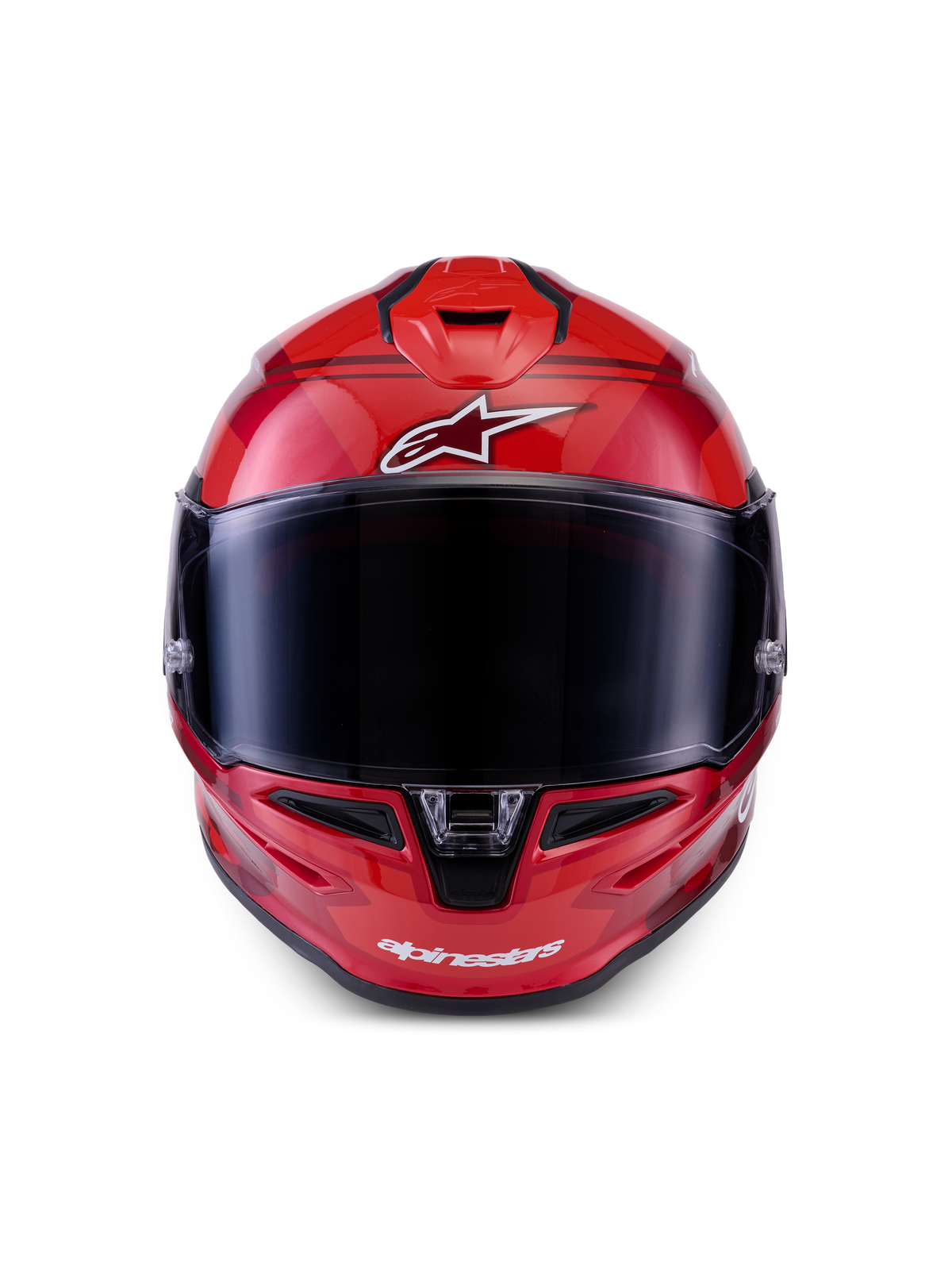
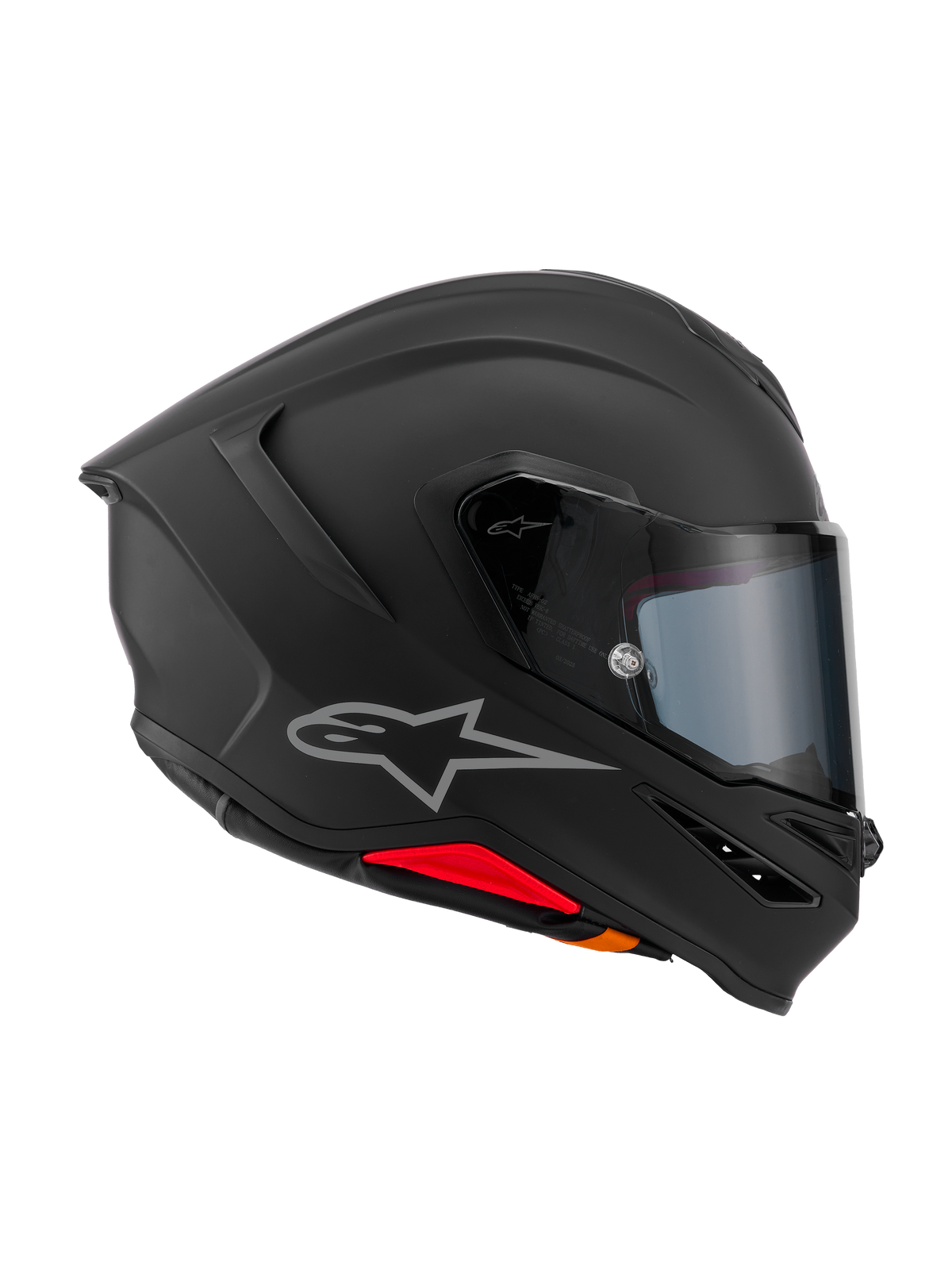
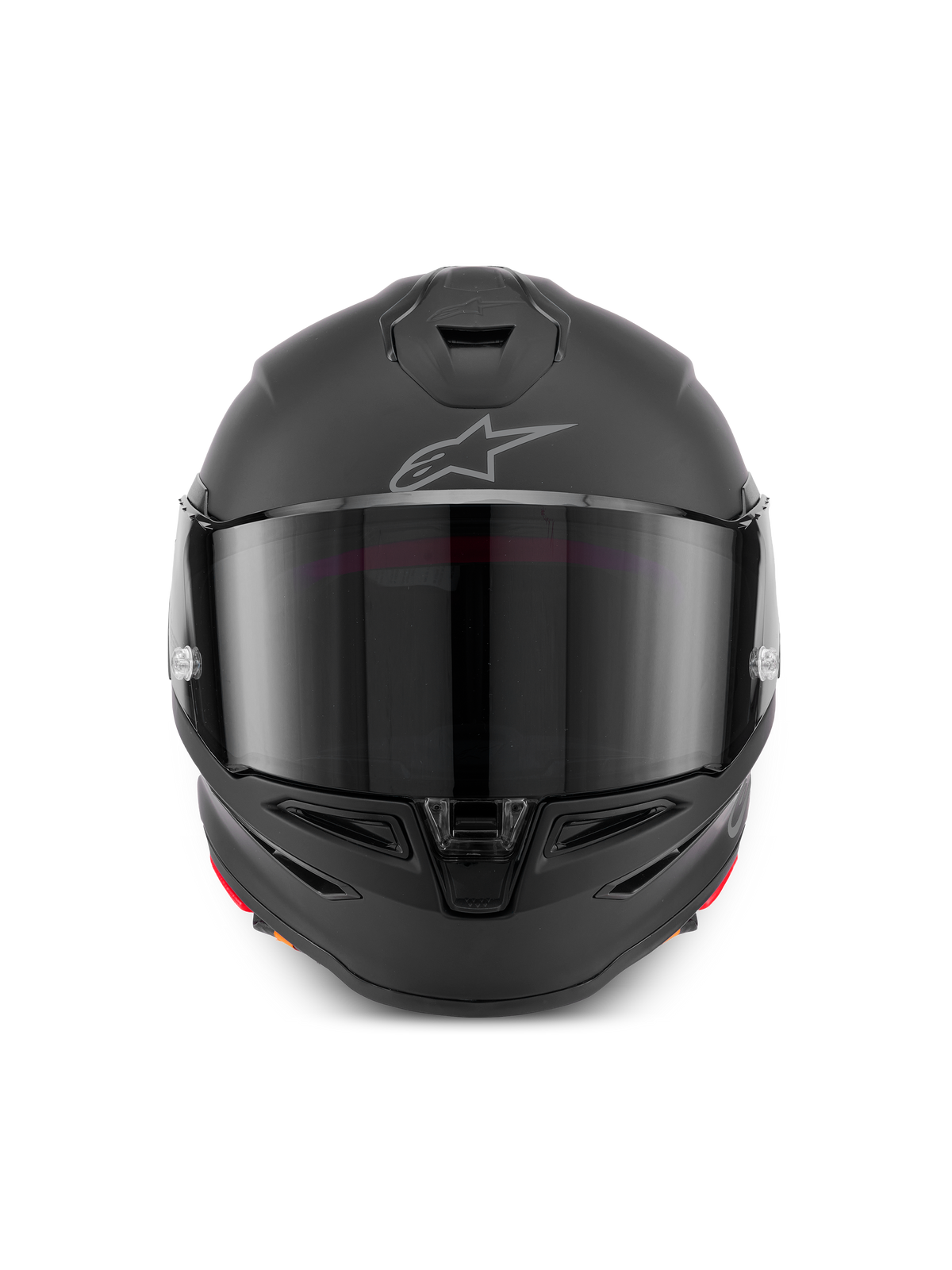
S-R7 Solid Helmet -
S-R7 Solid Helmet -
S-R7 A-Core Helmet -
S-R7 Kinetis Helmet -
Supertech R10 Arius Helmet -
Supertech R10 Element Helmet -
Supertech R10 Team Helmet -
Supertech R10 Miller Limited Edition Helmet -
S-R7 A-Core Helmet -
S-R7 Solid Helmet -
S-R7 A-Core Helmet -
S-R7 Solid Helmet -
Supertech R10 Arius Helmet -
Supertech R10 Arius Helmet -
Supertech R10 Acosta Limited Edition Helmet -
Supertech R10 Limited Edition Flyte Helmet -
S-R7 Zeal Helmet -
S-R7 Lumen Helmet -
Limited Edition Supertech R10 Martinator Thai Helmet -
S-R7 Kinetis Helmet -
S-R7 Zeal Helmet -
S-R7 Lumen Helmet

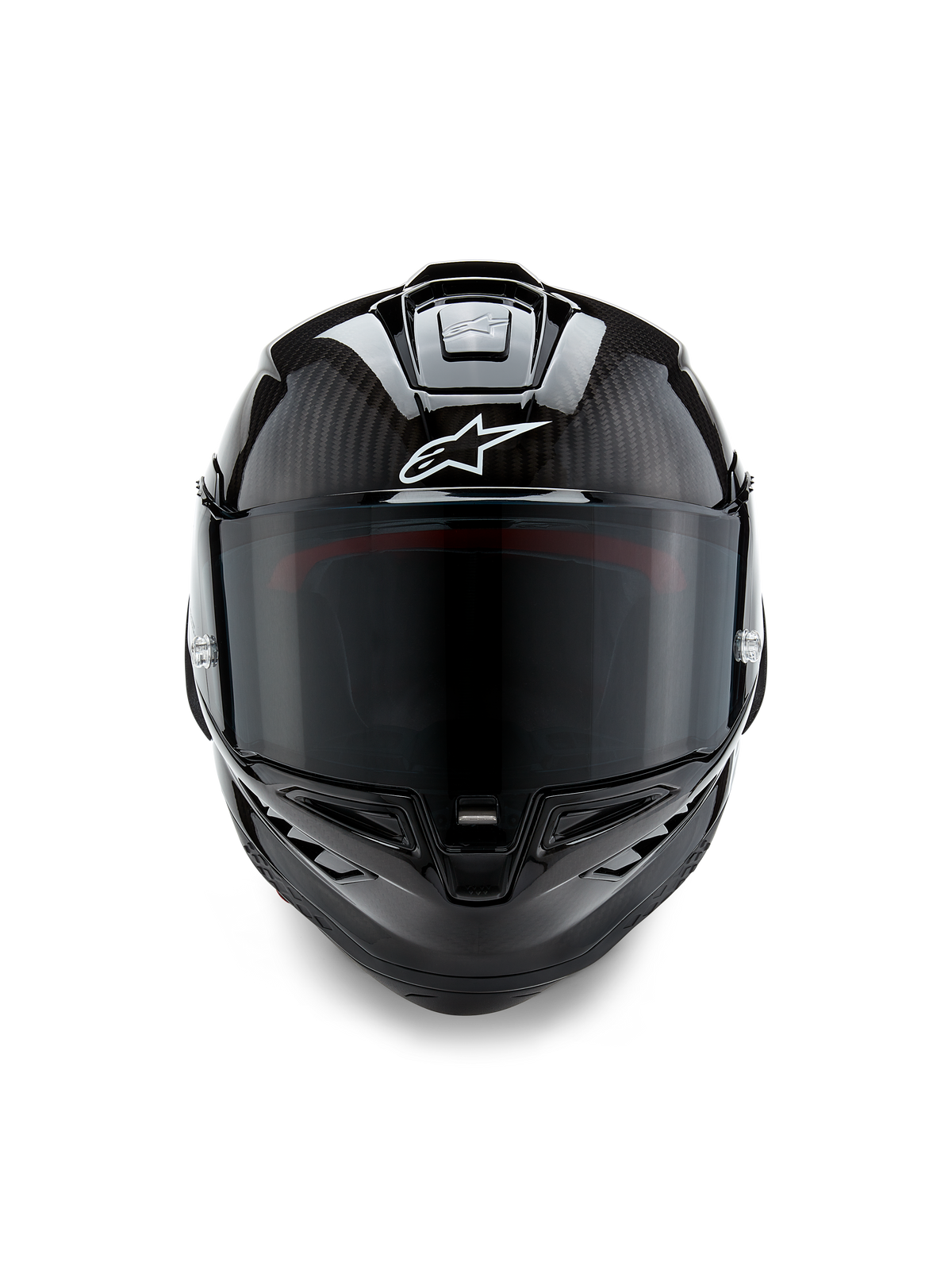


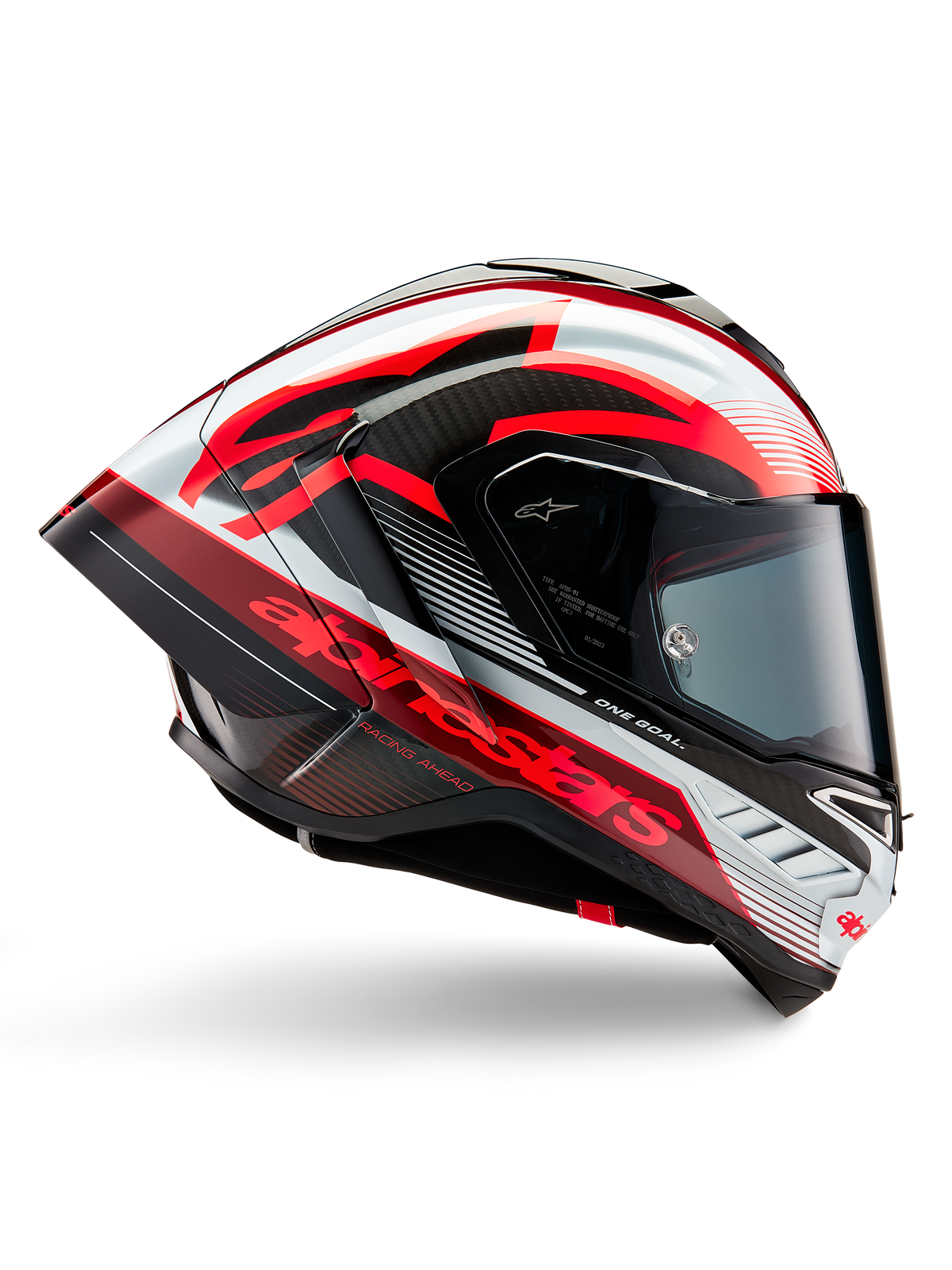


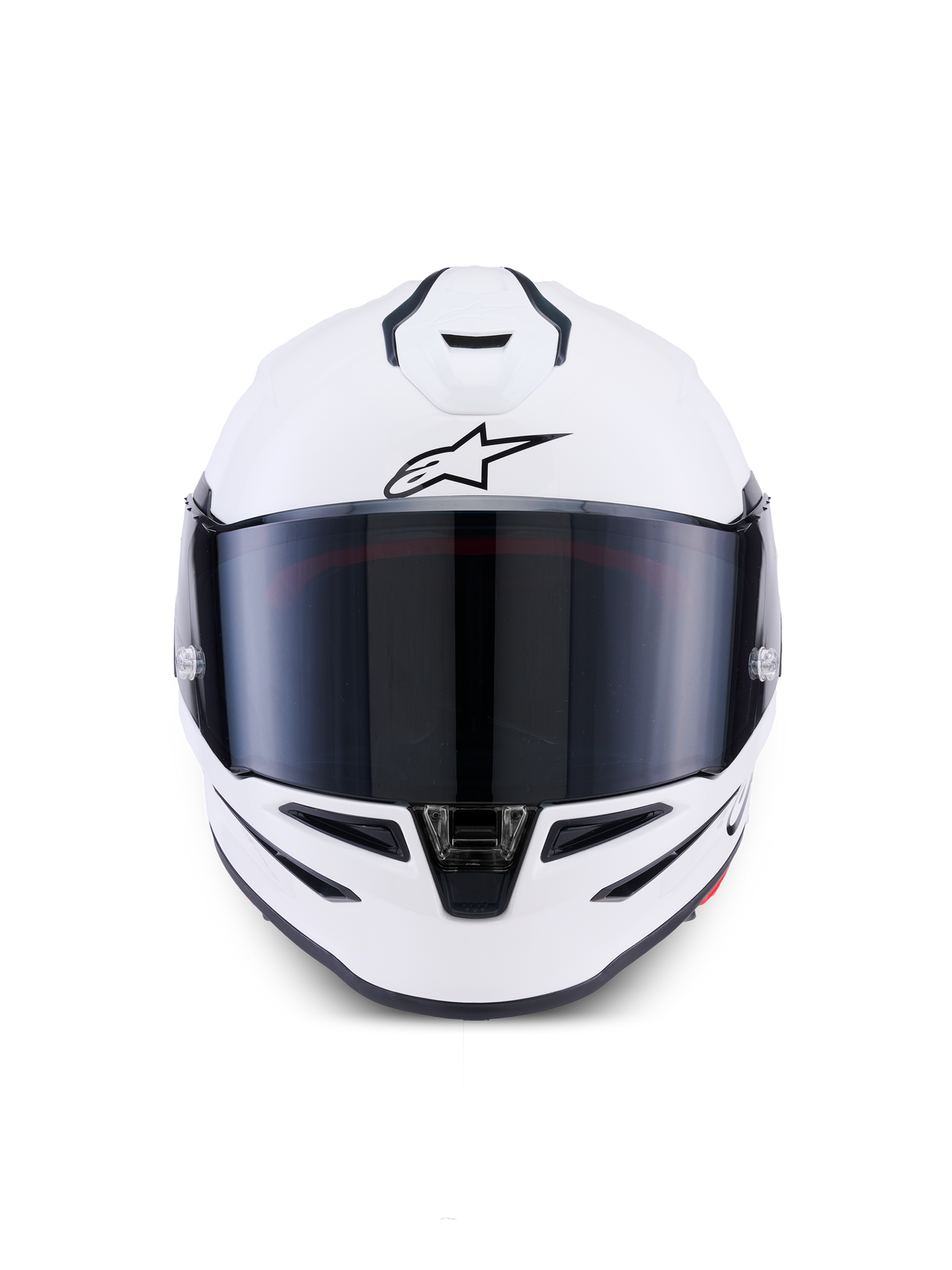

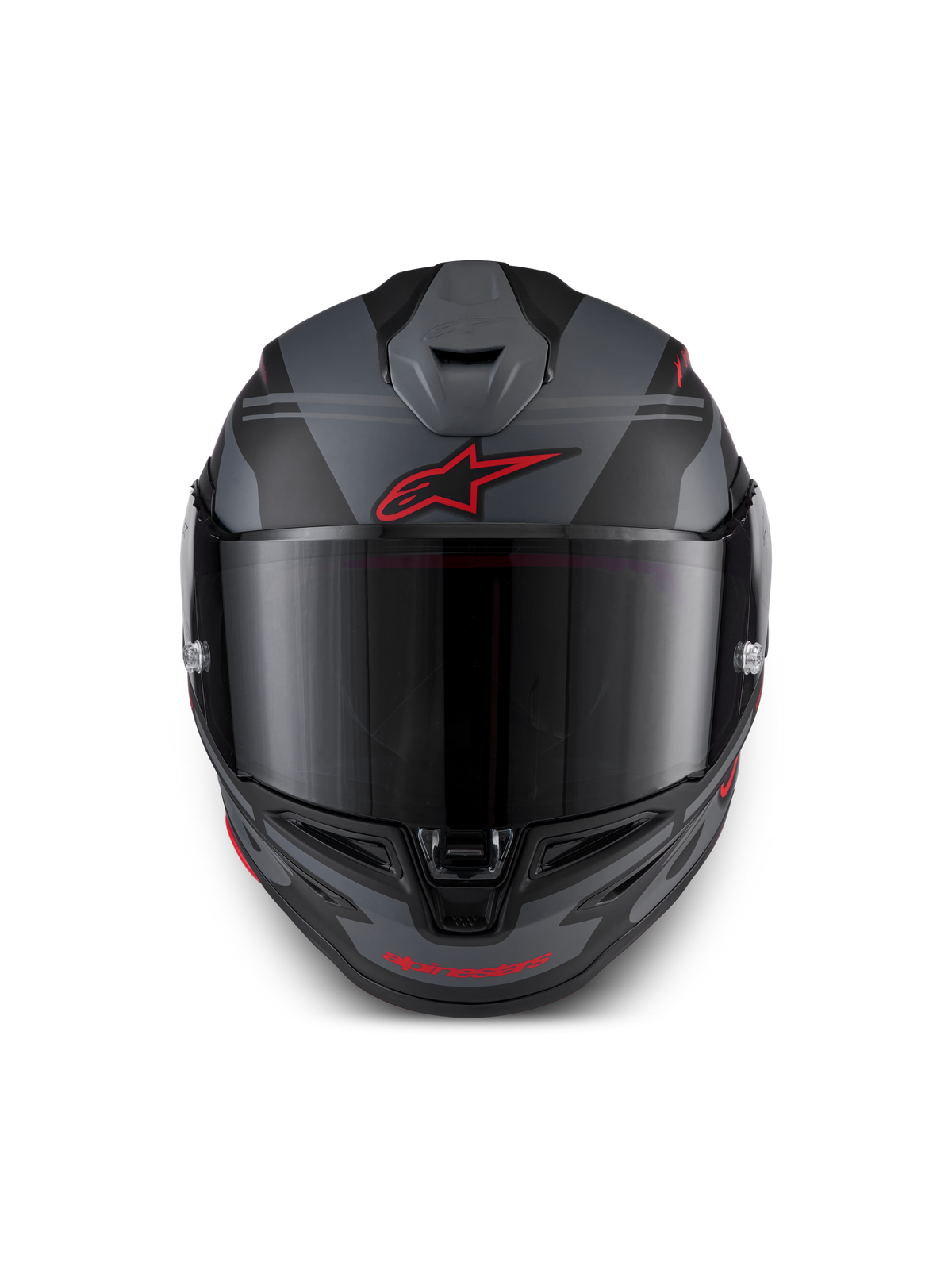


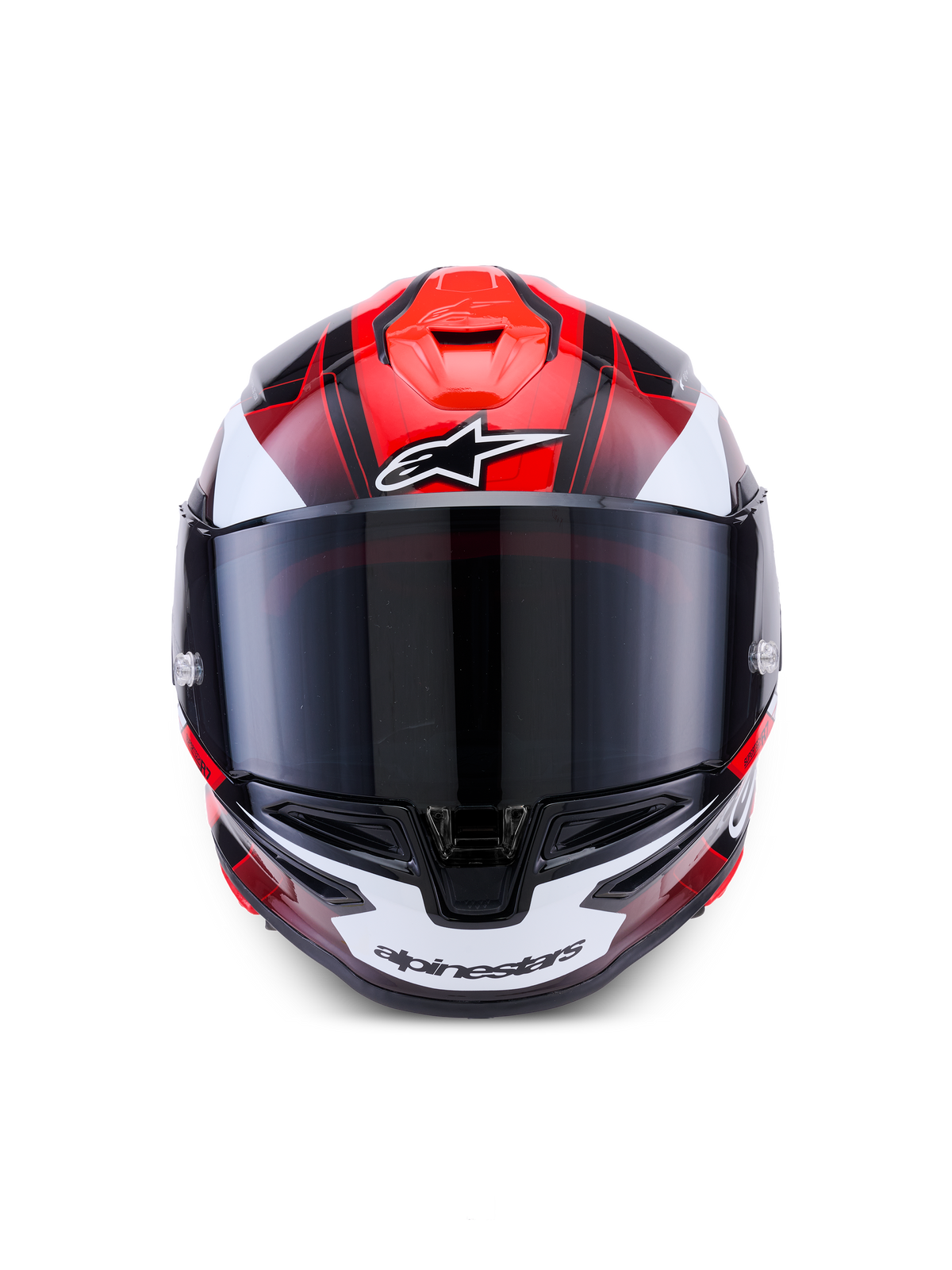


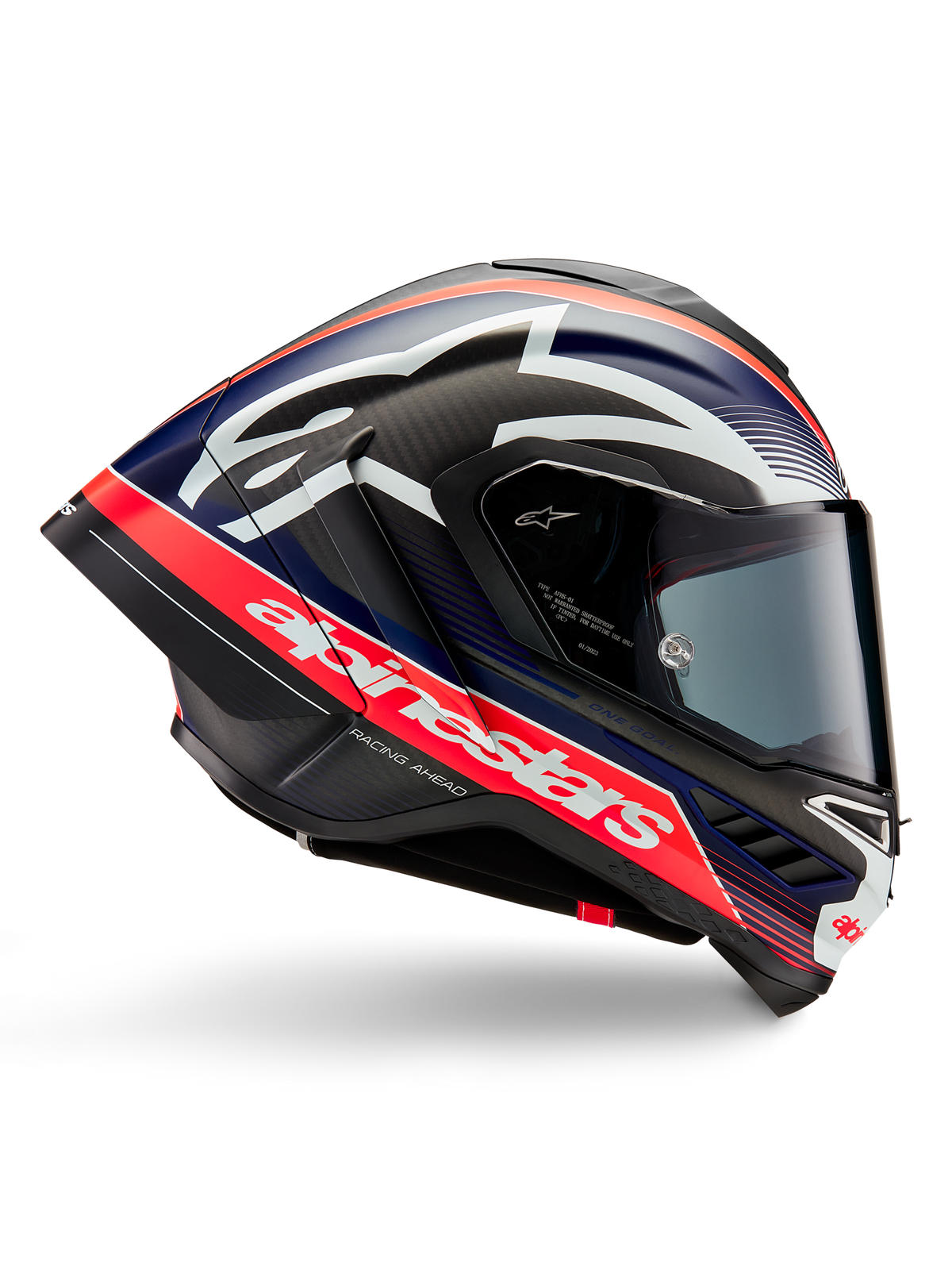
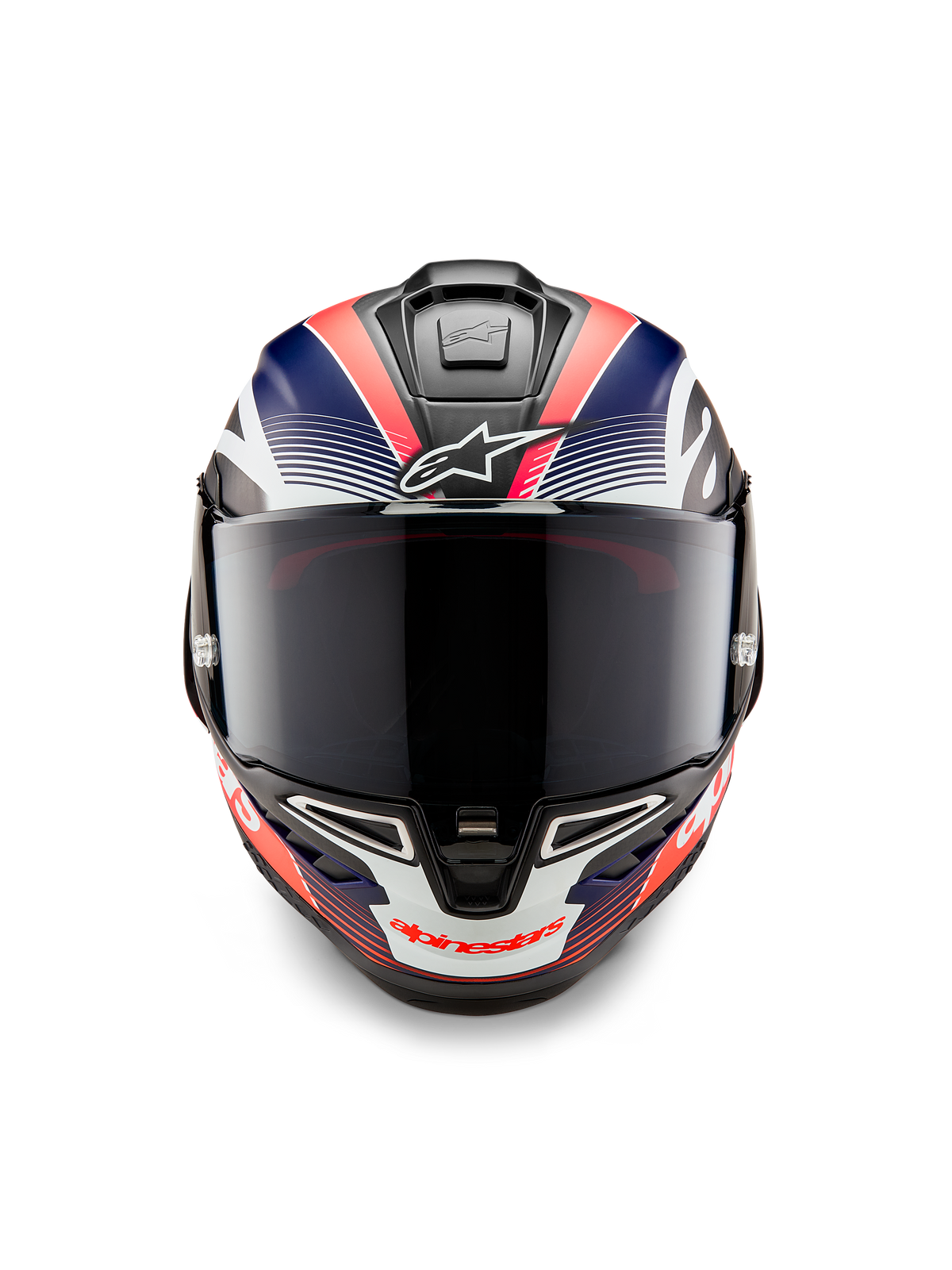

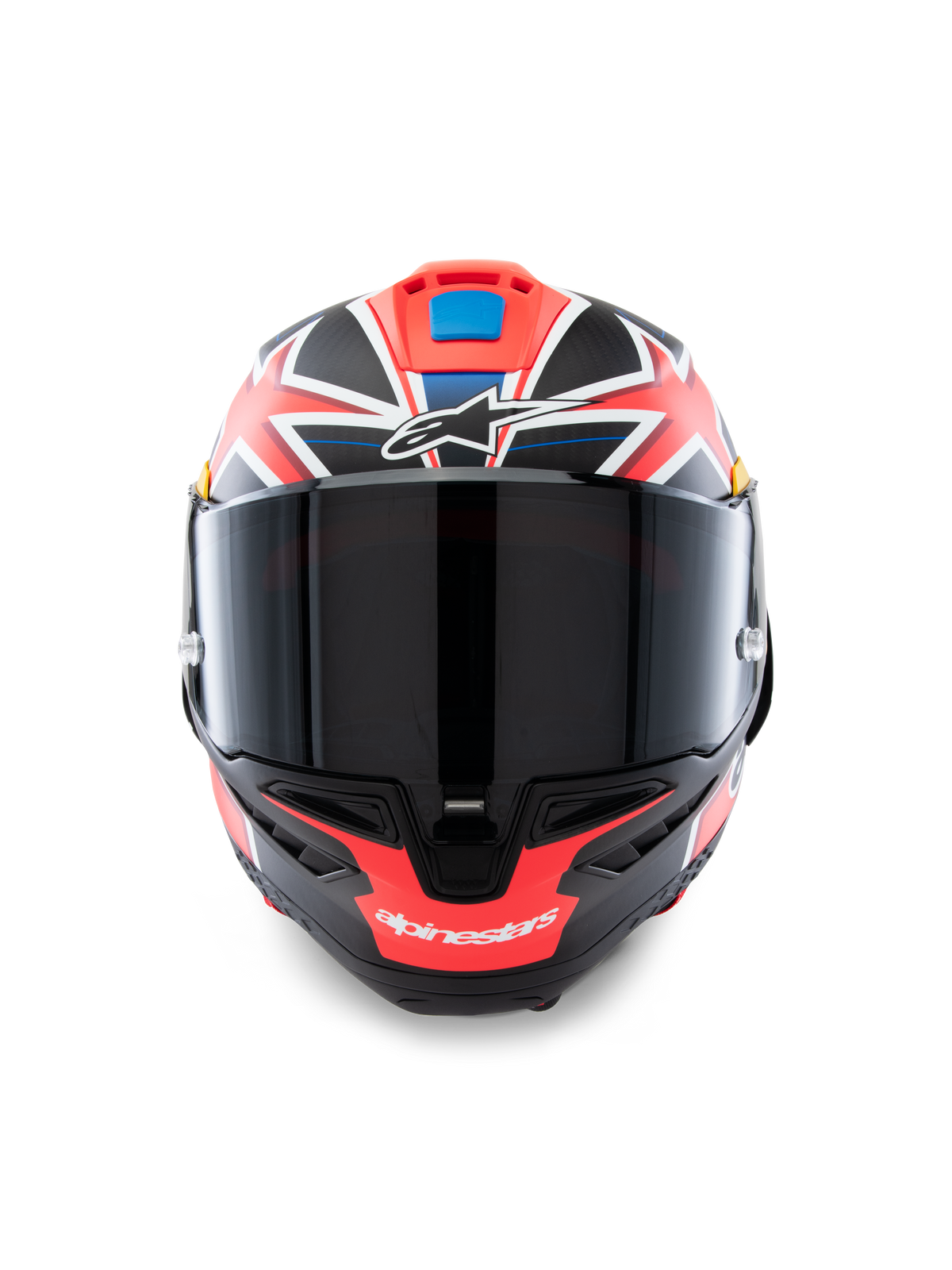

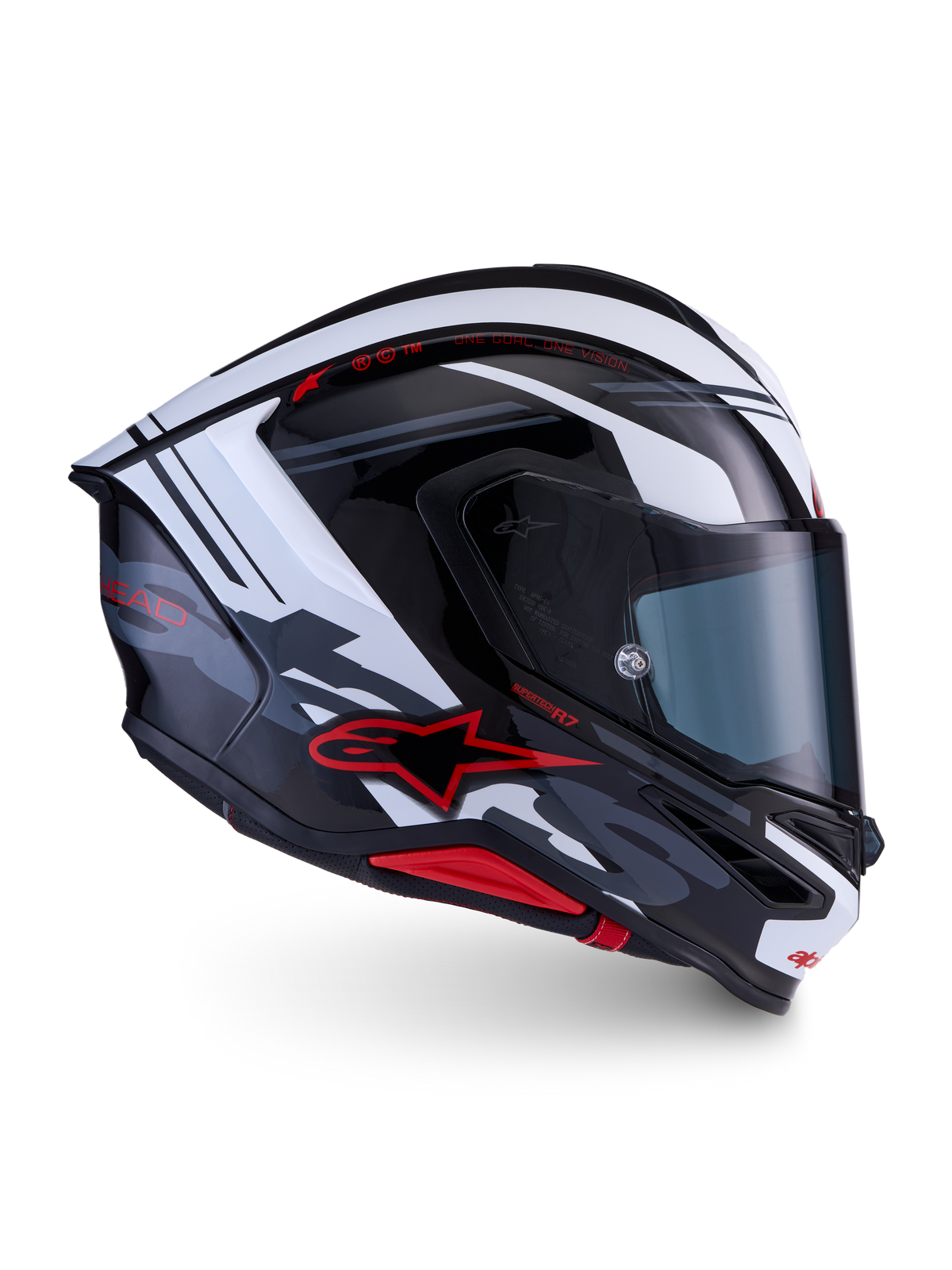
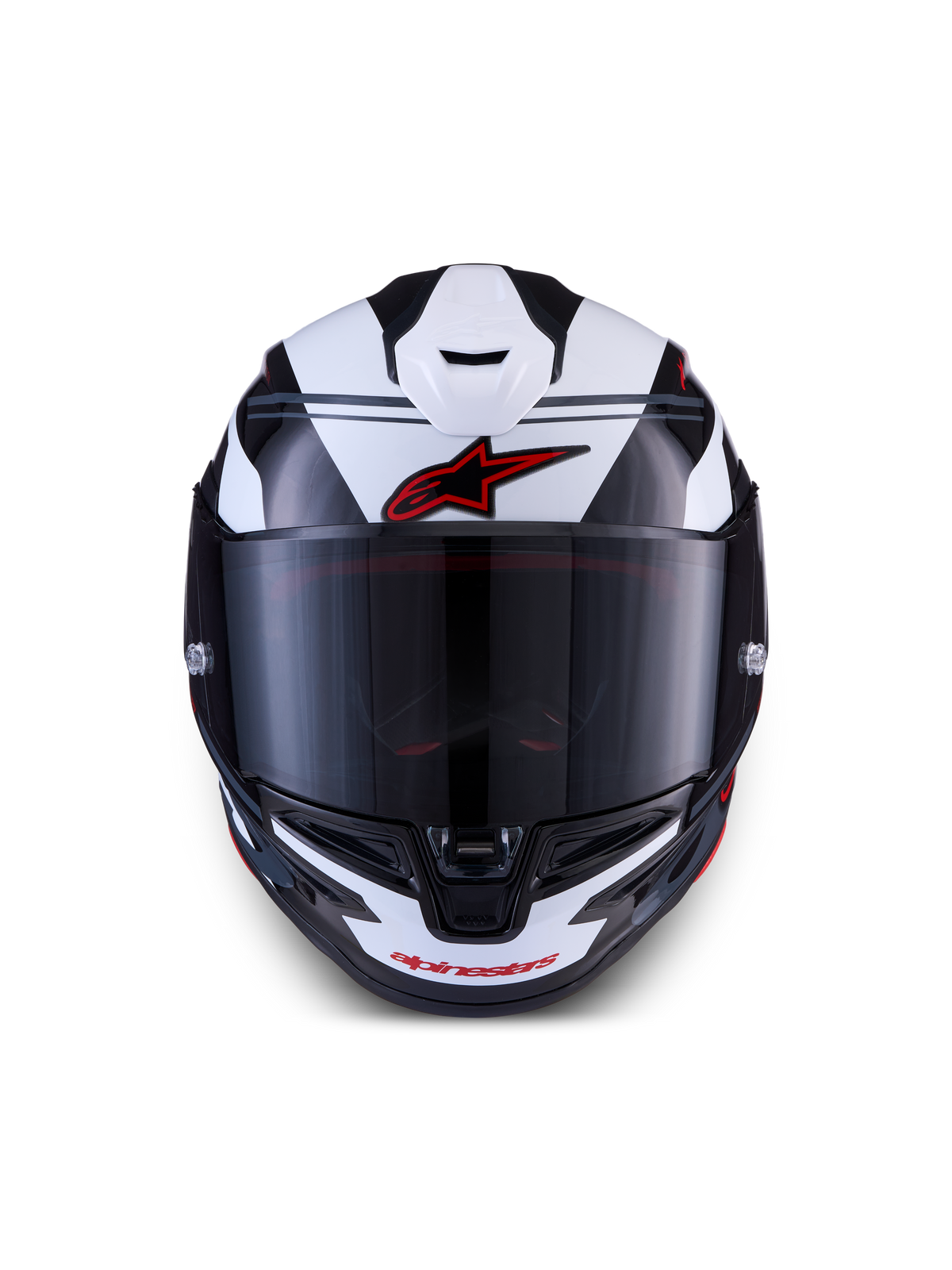


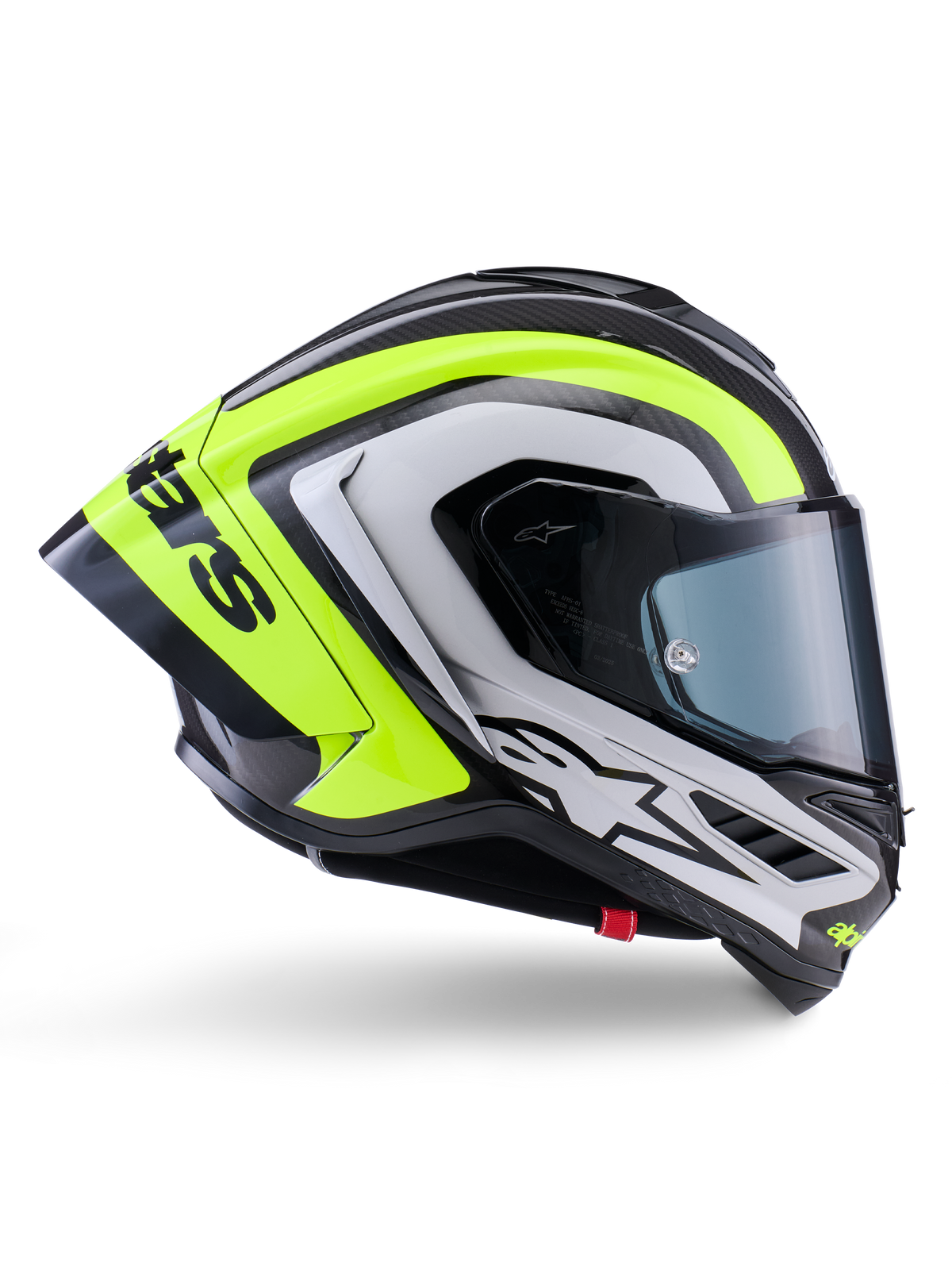


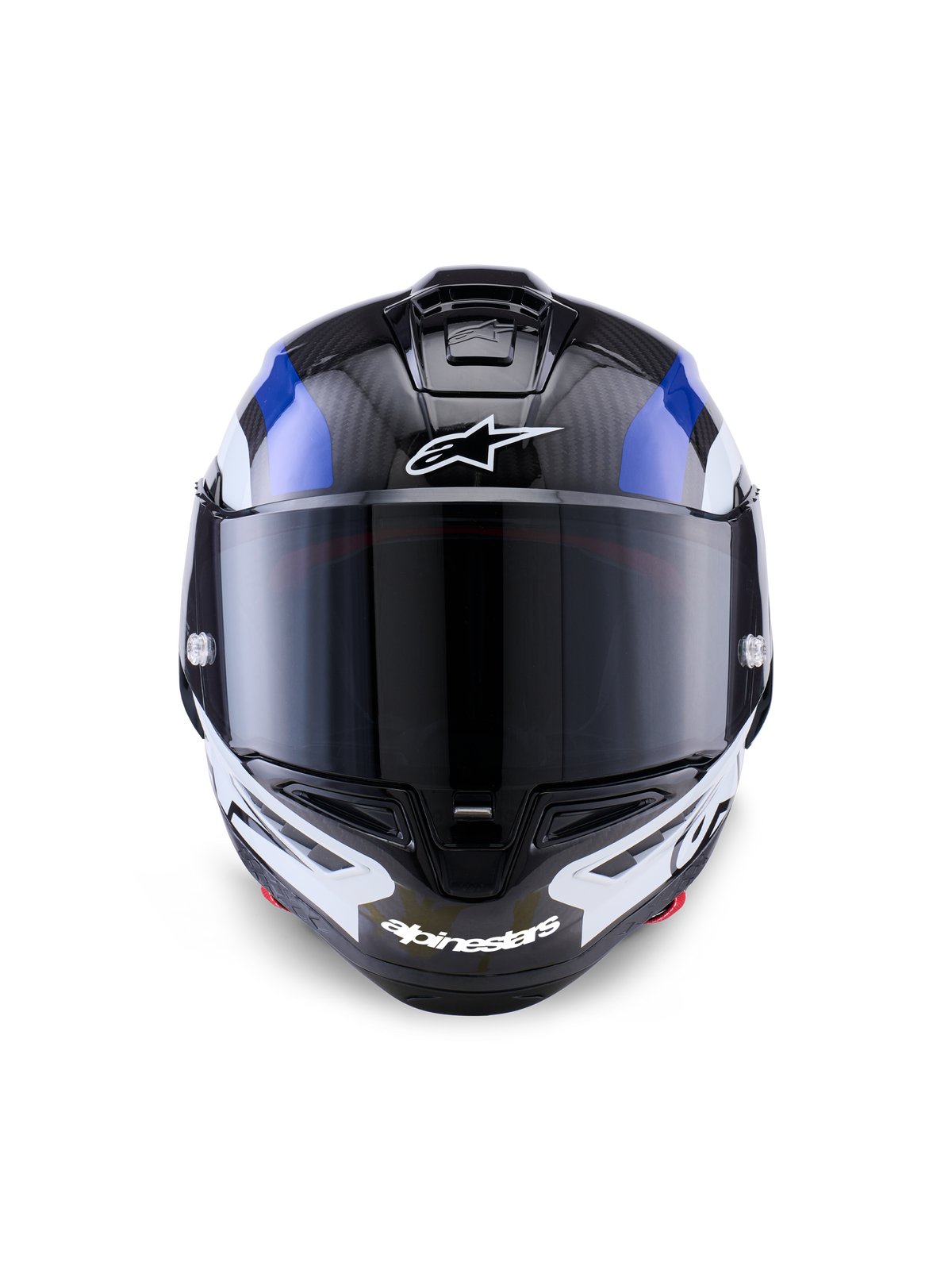

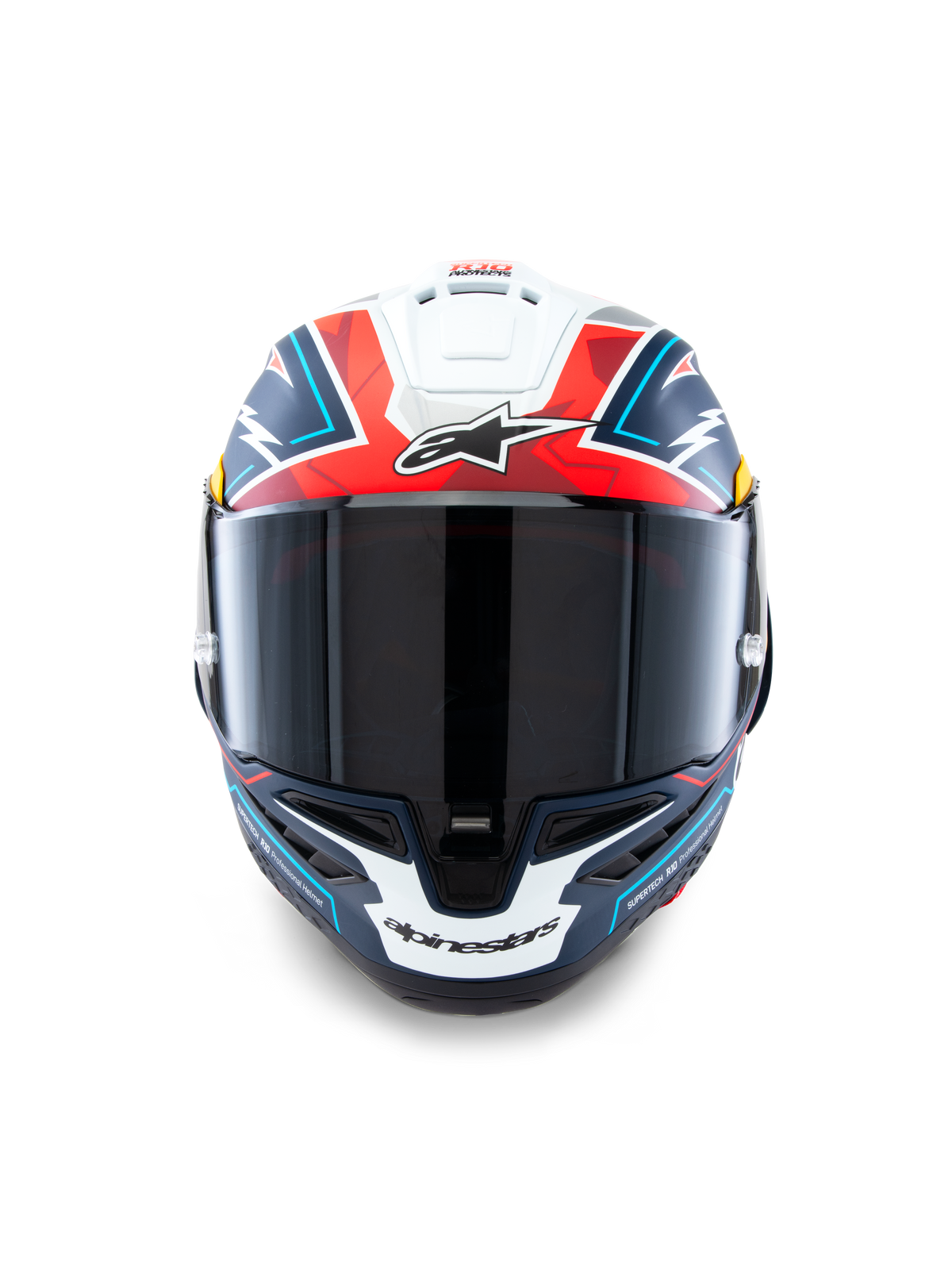

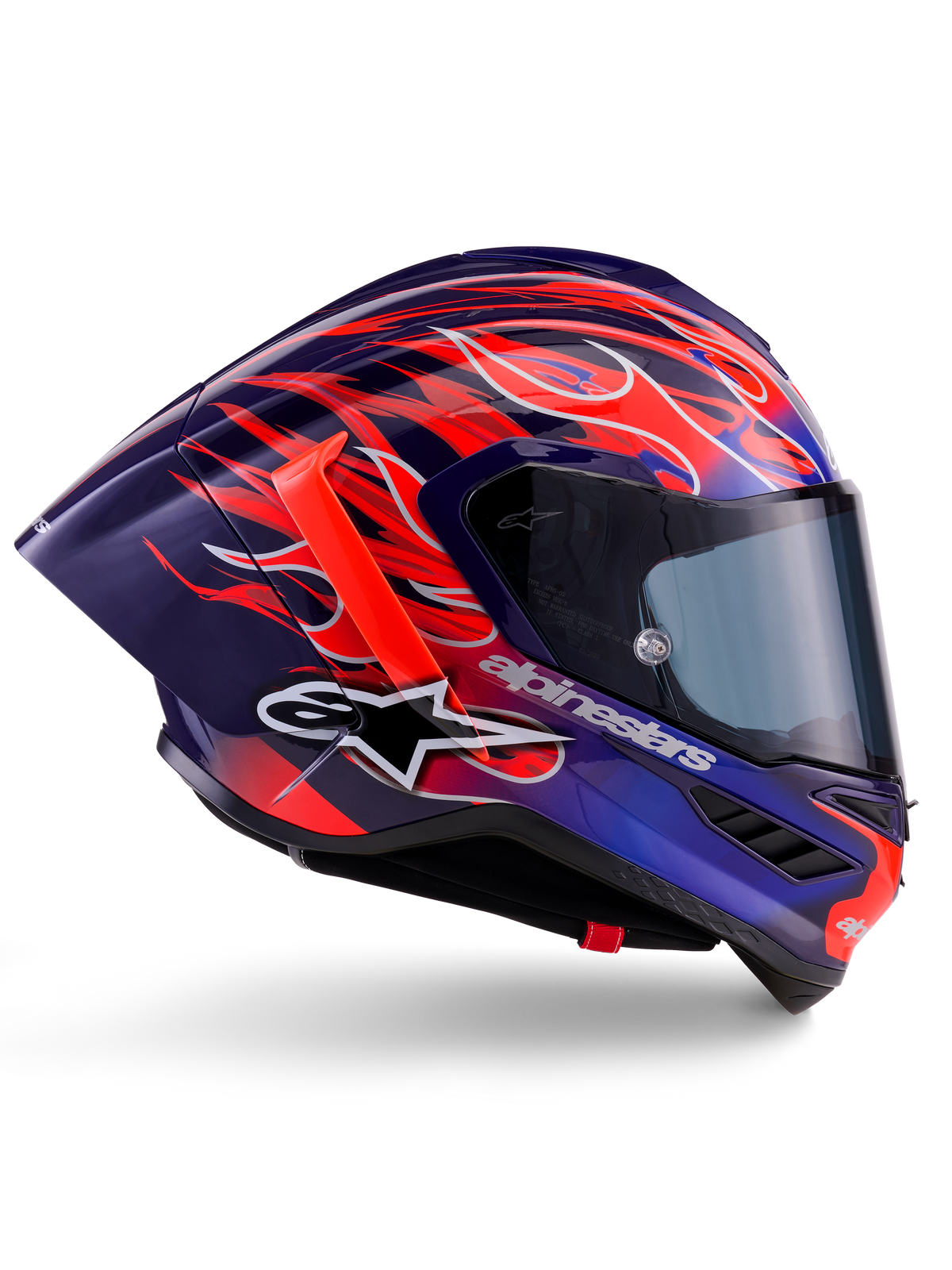
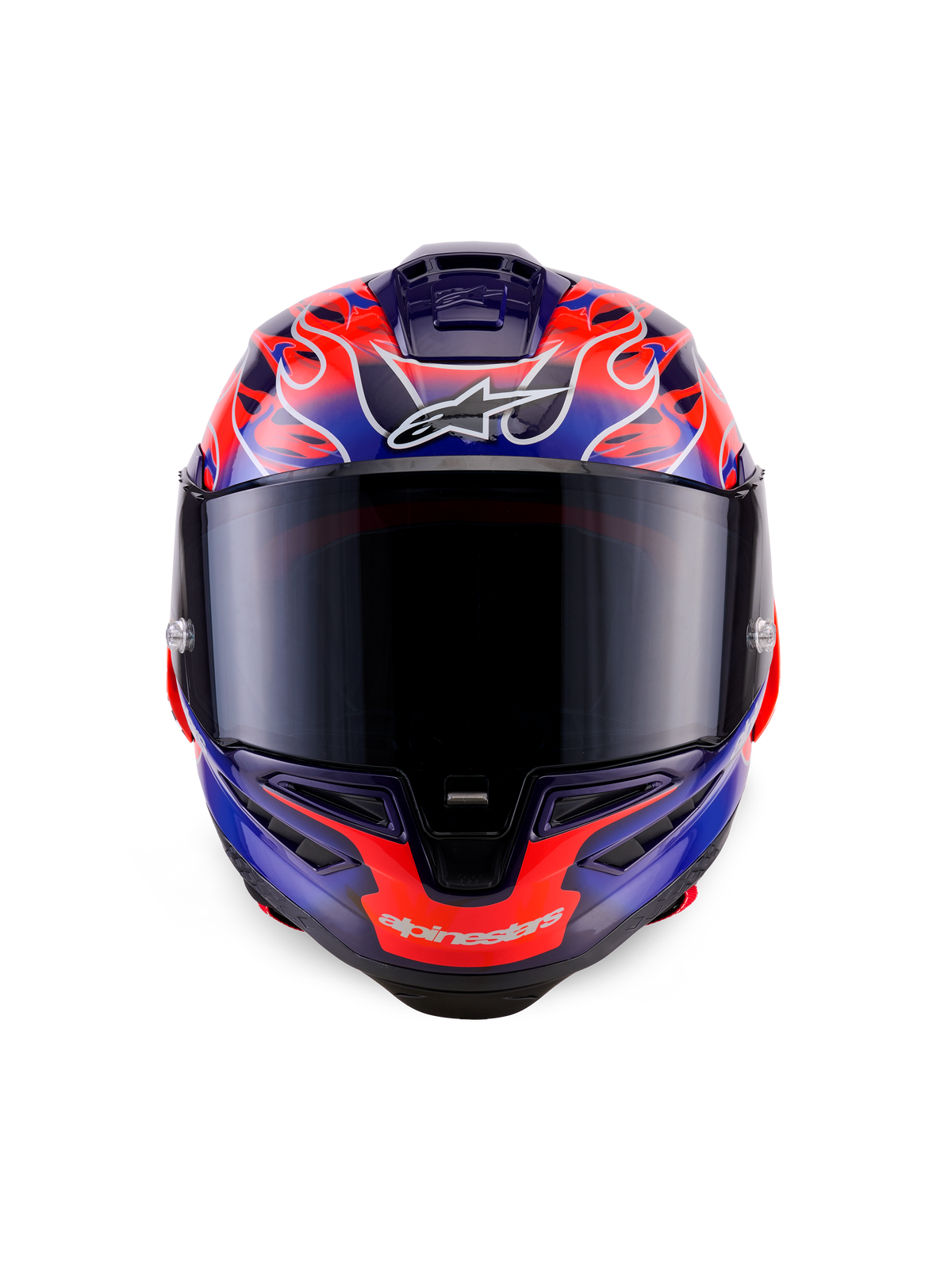

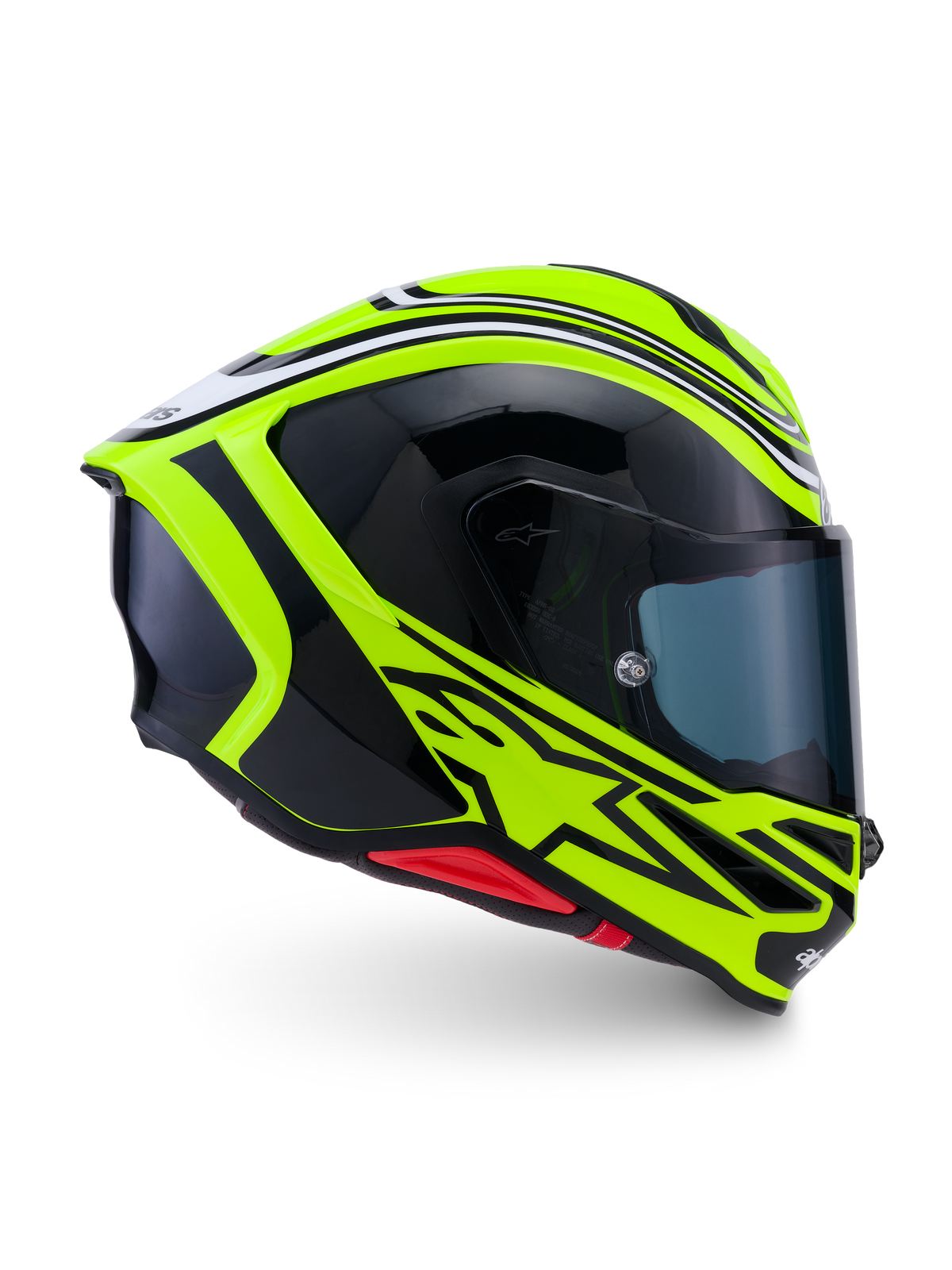
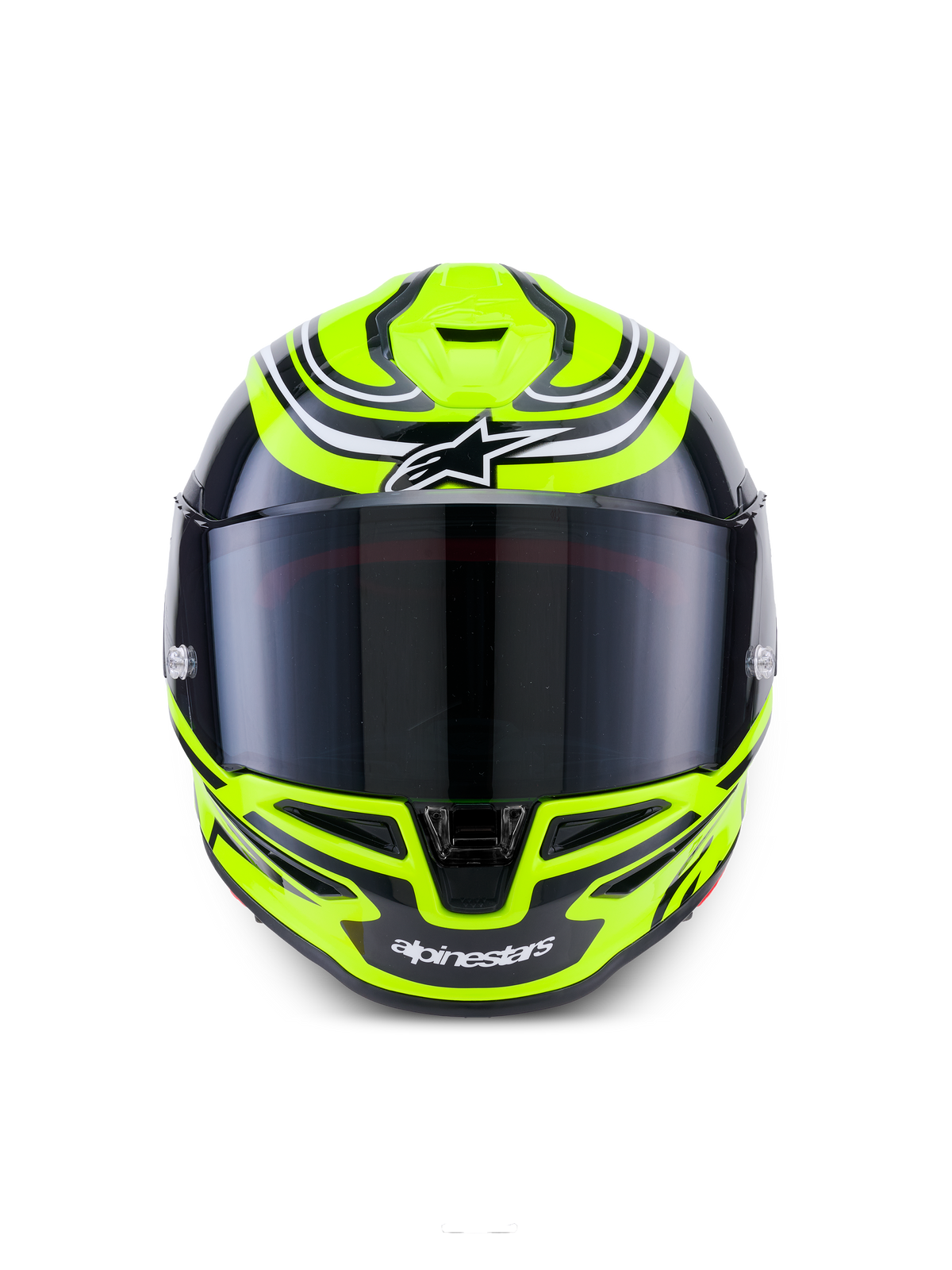


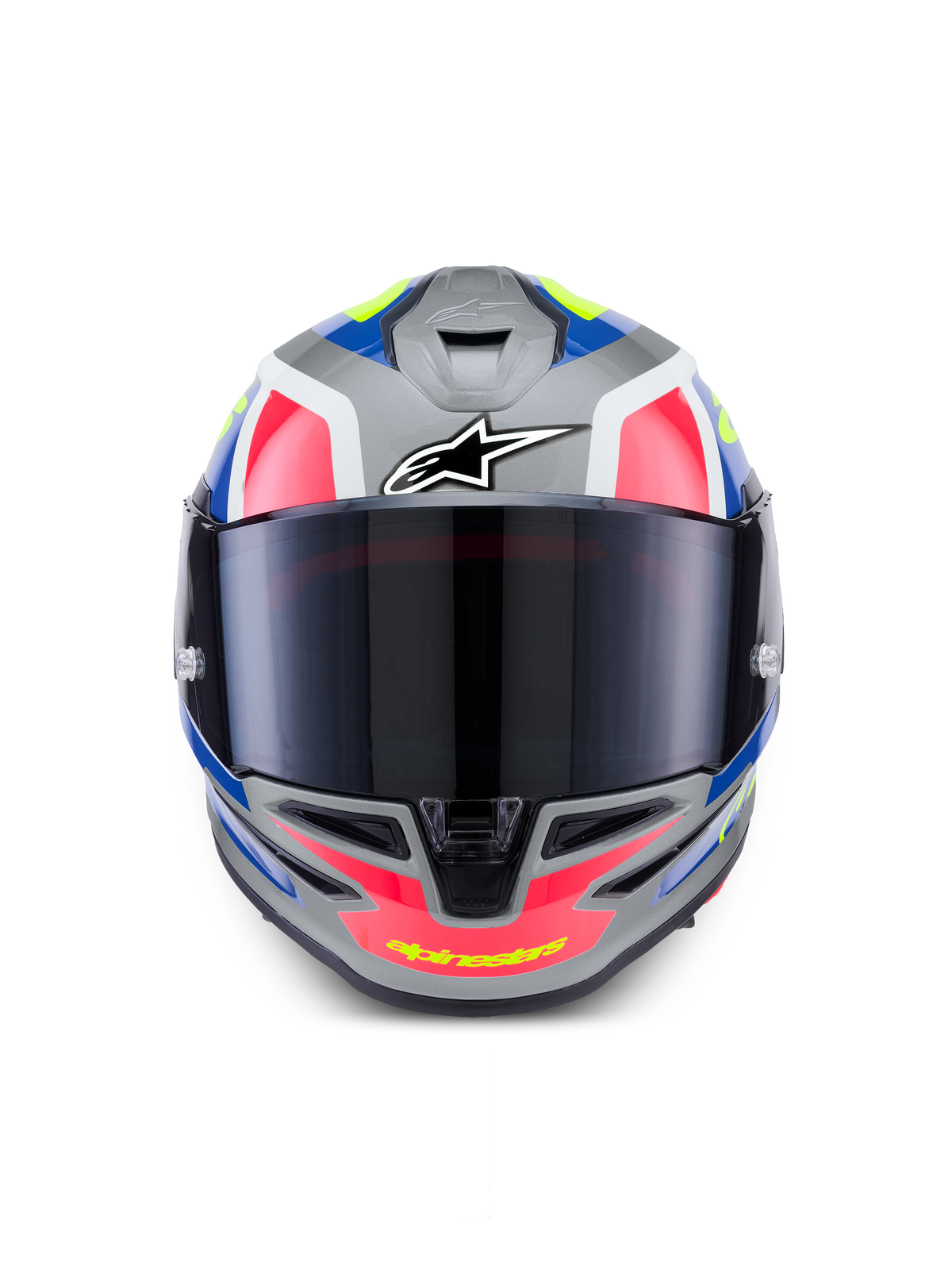


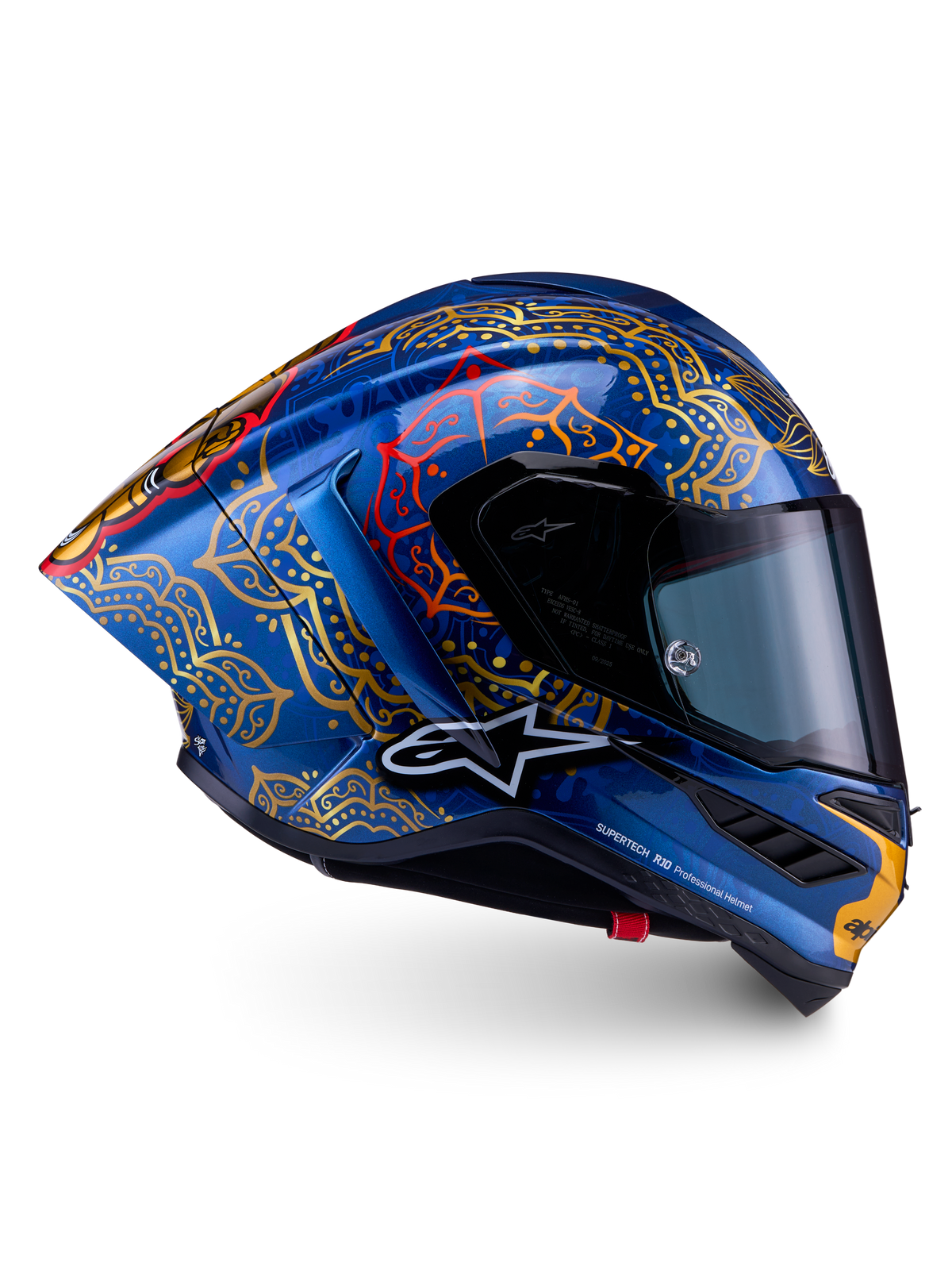
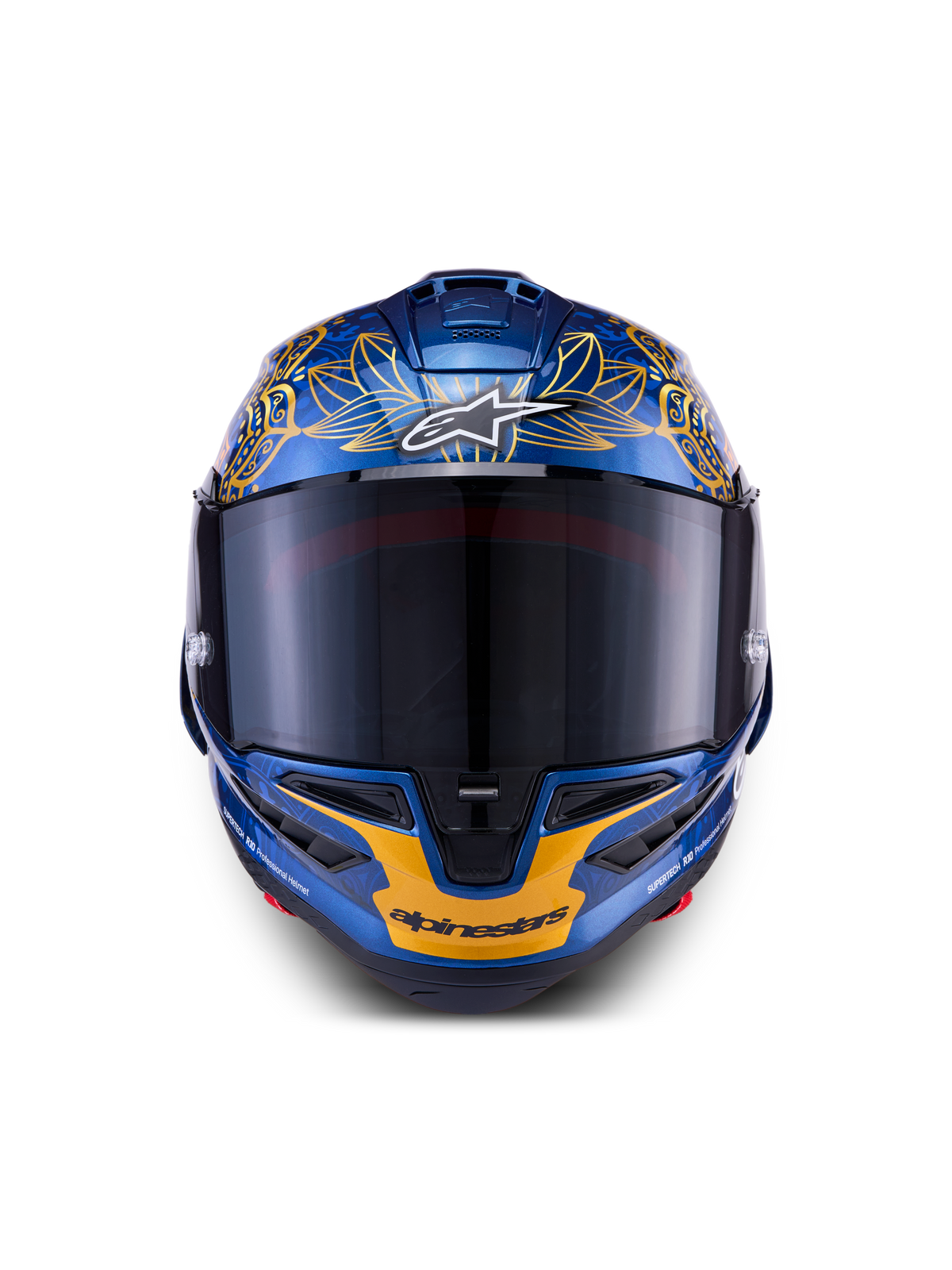


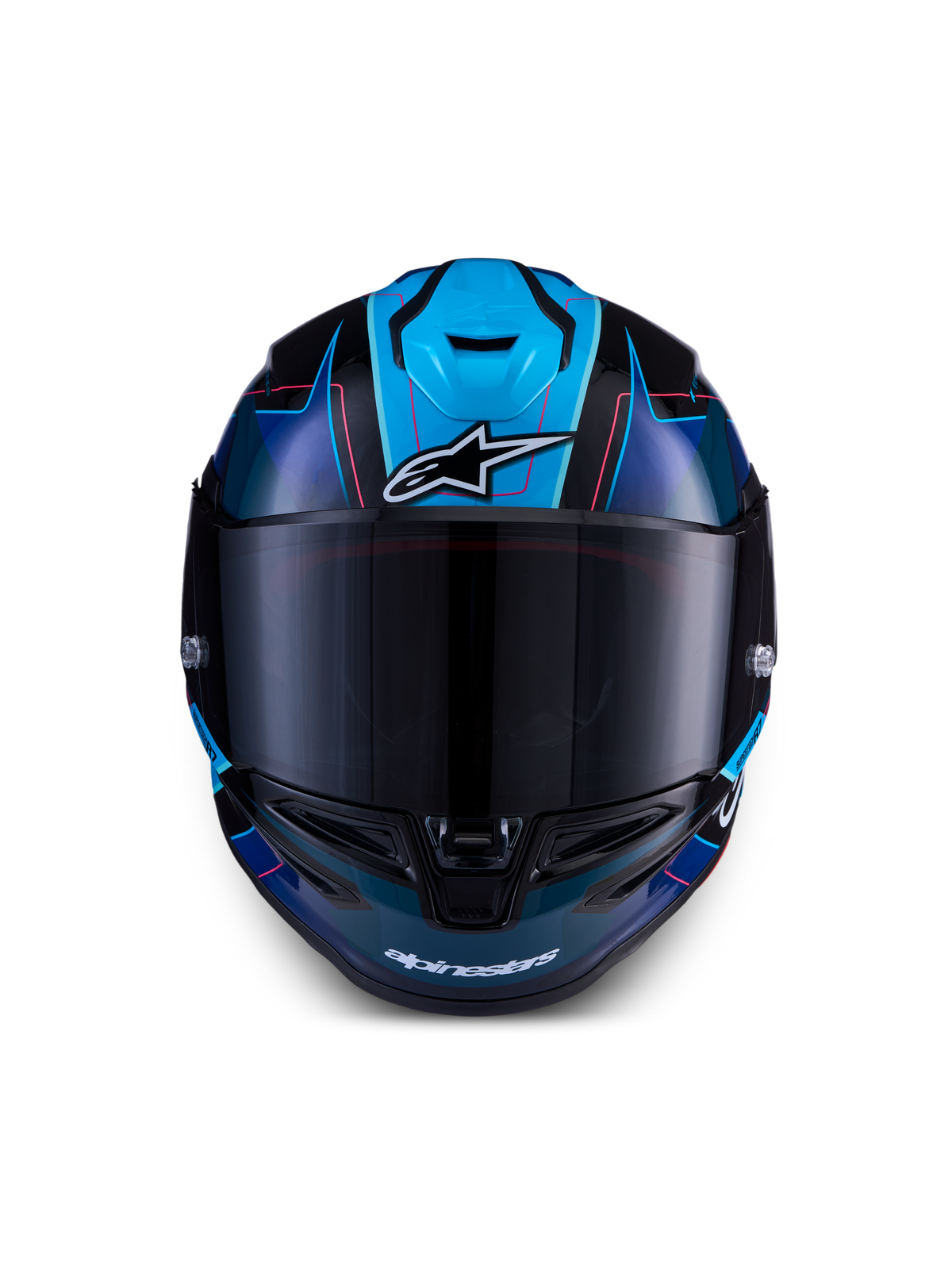

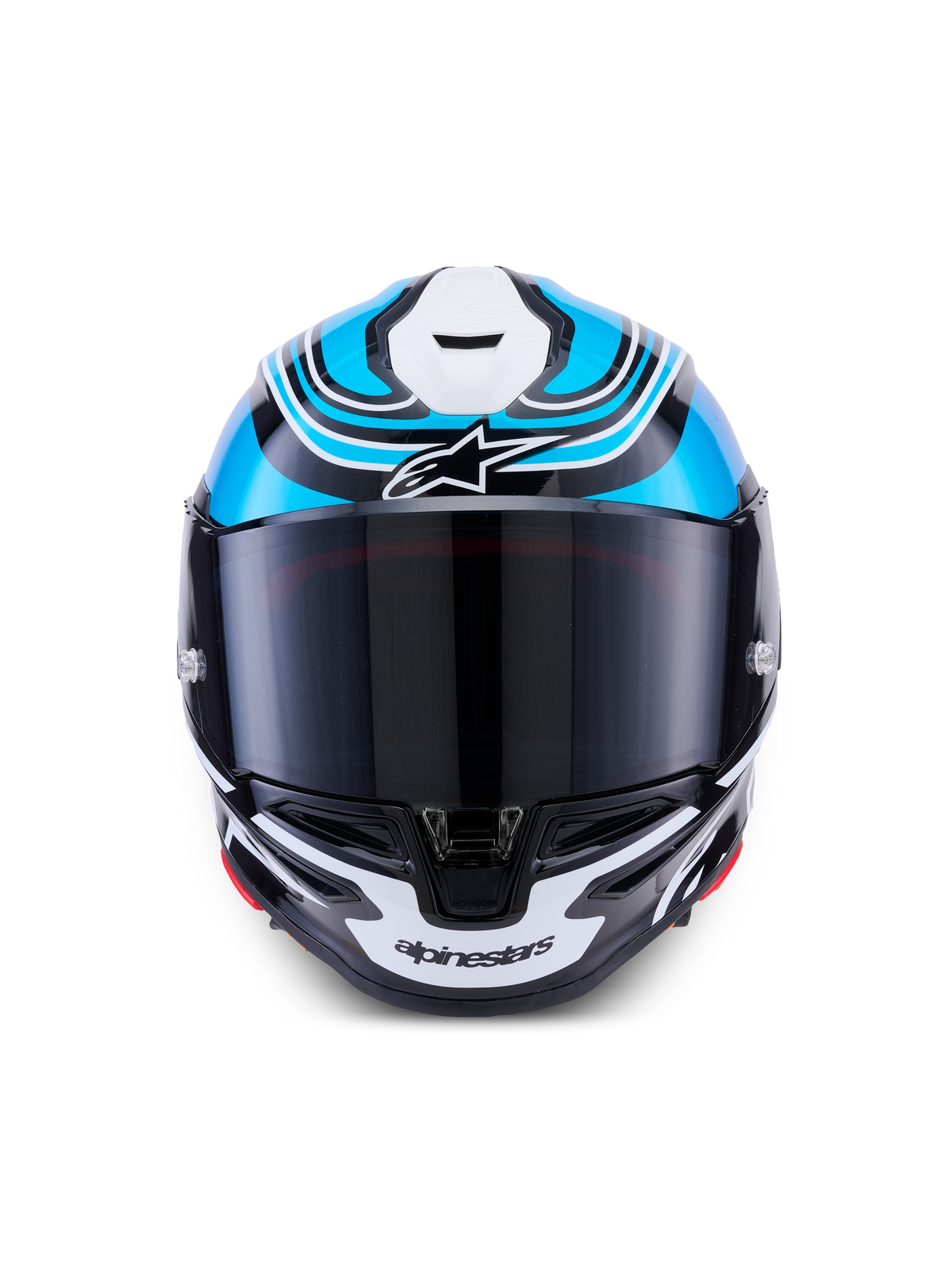

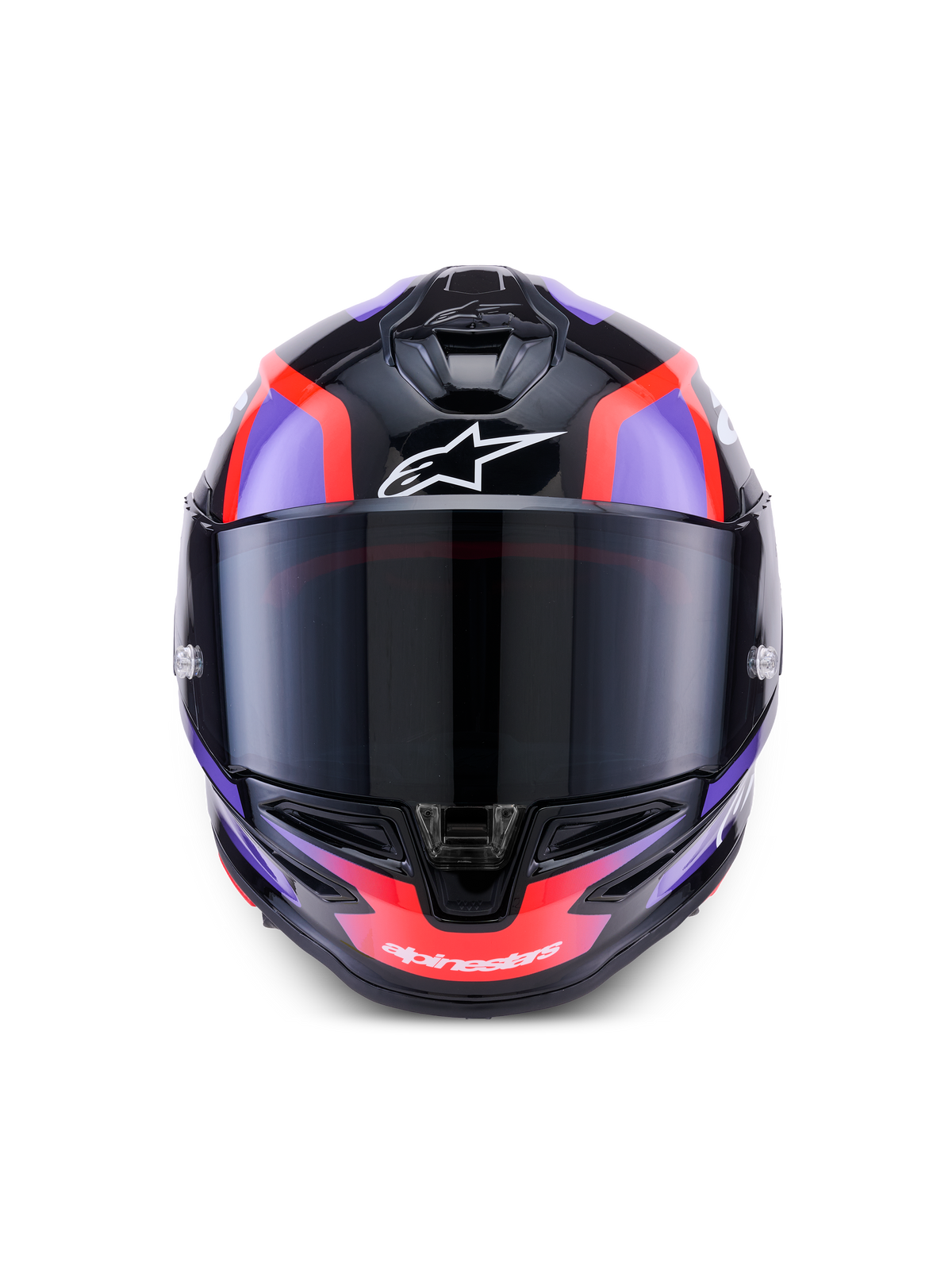
26 of 26 products
All products loaded
Frequently asked questions Hide FAQs
What makes a motorcycle racing helmet different from a standard street helmet?
Motorcycle racing helmets are full-face designs developed for high-speed stability, aerodynamic efficiency, and a tucked sport-riding position. Compared with more general street helmets, they typically place greater emphasis on shell performance, visor sealing, ventilation at speed, and reduced lift under acceleration and braking.
Within this collection, the focus is on track use and aggressive sport riding rather than modular convenience or urban features. That makes racing helmets a strong choice for riders who want maximum full-face coverage, stable airflow management, and precise support during fast road or circuit riding.
How should a motorcycle racing helmet fit?
A motorcycle racing helmet should fit snugly and evenly around the entire head, with firm cheek contact and no isolated pressure points. When the chin strap is secured, the helmet should stay stable and should not roll easily if you try to move it by hand.
Use head measurement as a starting point, but also check head shape, eye port position, and comfort in a riding posture. A correct fit should feel secure at speed, support clear vision, and remain comfortable after wearing it for several minutes without creating painful hot spots.
What safety certifications should I look for in a motorcycle racing helmet?
The most important certifications in this category are typically ECE 22.06 and DOT for road use, with FIM homologation relevant for certain race applications. ECE 22.06 is the current European road standard, DOT is the required U.S. road standard, and FIM homologation applies to helmets approved for specific high-level racing requirements.
The right certification depends on where and how you ride. For public-road use, choose a helmet that meets the legal standard in your market. For track days or competition, also check the event organizer or racing body rules, because some circuits or series may require specific homologation.
Can I use a motorcycle racing helmet for both track riding and road riding?
Yes, in many cases a racing helmet can work well for both track riding and sport-focused road riding. The key factors are legal certification for your country, stable fit, visibility, and whether the helmet’s ventilation and noise profile suit your typical riding conditions.
Some helmets in a racing collection are designed purely around competition priorities, while others balance track performance with broader road use. Always confirm the certification label and check any track-day rules before using the same helmet across both environments.
How do I clean and maintain a motorcycle racing helmet, and when should I replace it?
Clean the shell and visor with water, a soft cloth, and a mild cleaner that is safe for helmet finishes and plastics. Avoid harsh solvents or abrasive products, as they can damage the shell coating, visor treatment, or trim. If the helmet has a removable liner, wash it only according to the care guidance and let it air dry completely before refitting it.
Replace a racing helmet after a significant impact, even if exterior damage looks minor, because the energy-absorbing liner may no longer perform as intended. It is also time to replace the helmet if the fit becomes loose, the lining or cheek pads break down, the retention system no longer works correctly, or wear and age begin to affect protection and stability.