
27 results
-
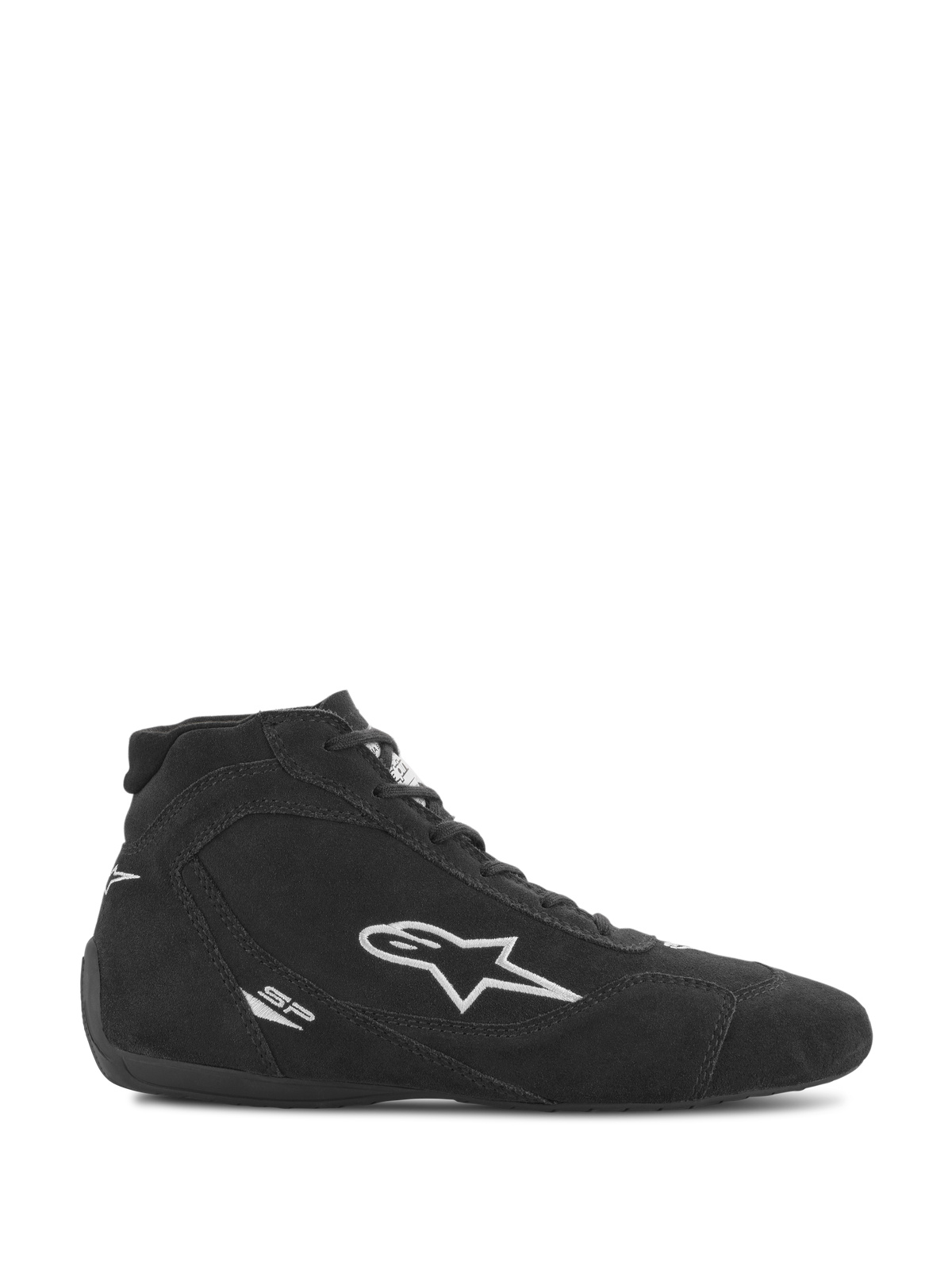
SP V2 Shoes -
Tech-1 Z V3 Shoes FIA -
Tech-1 Z V3 Shoes FIA -
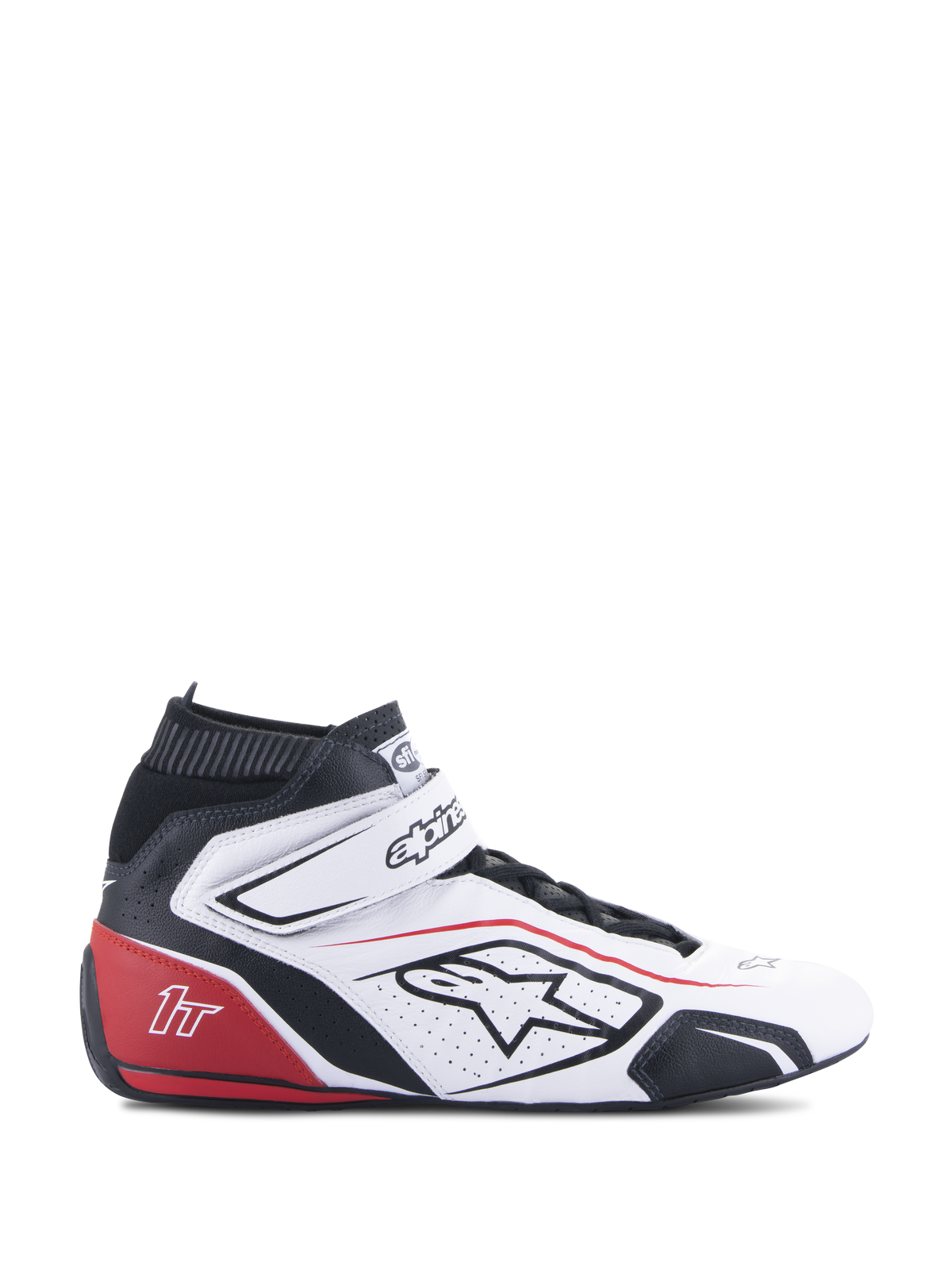
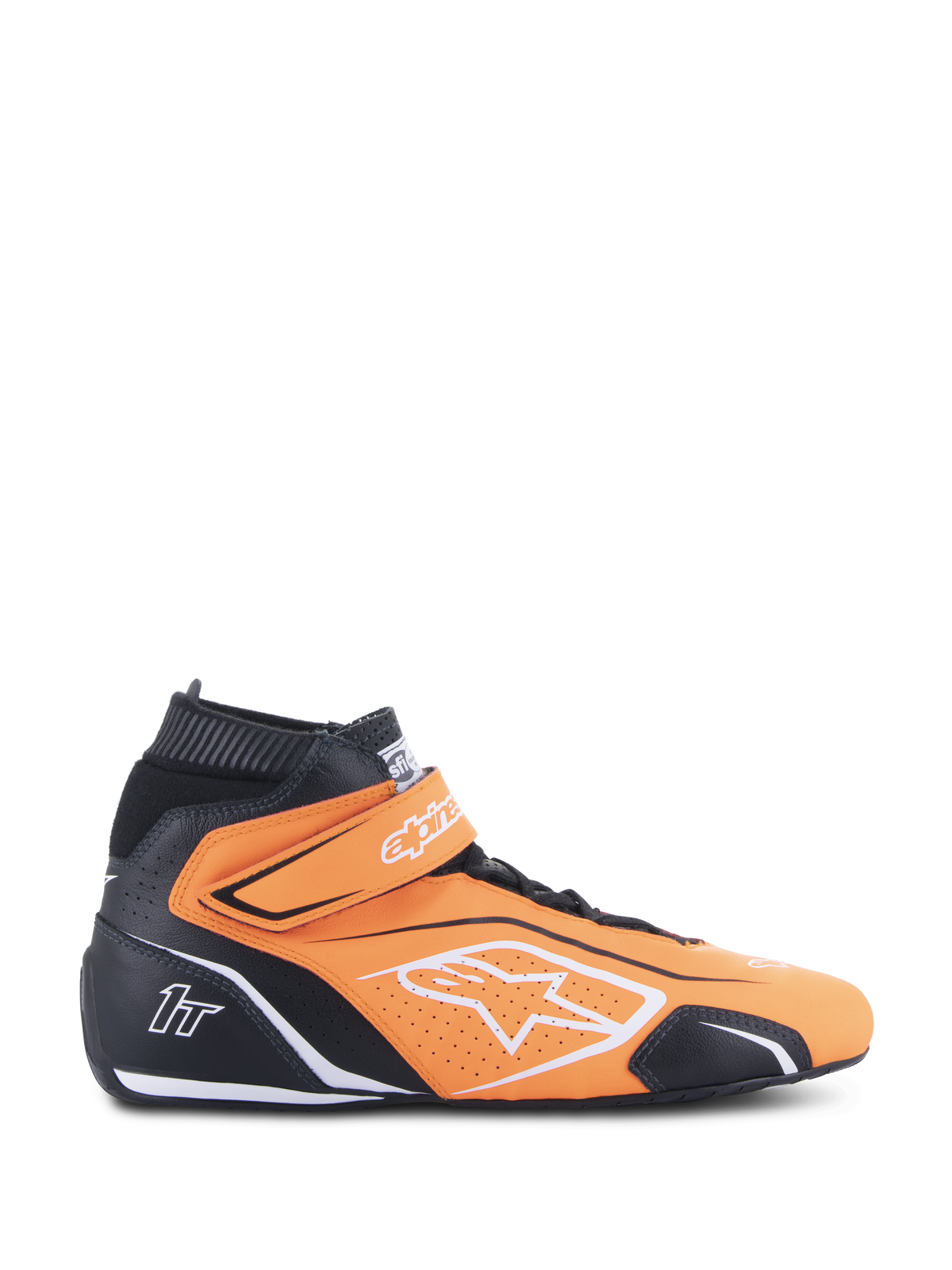
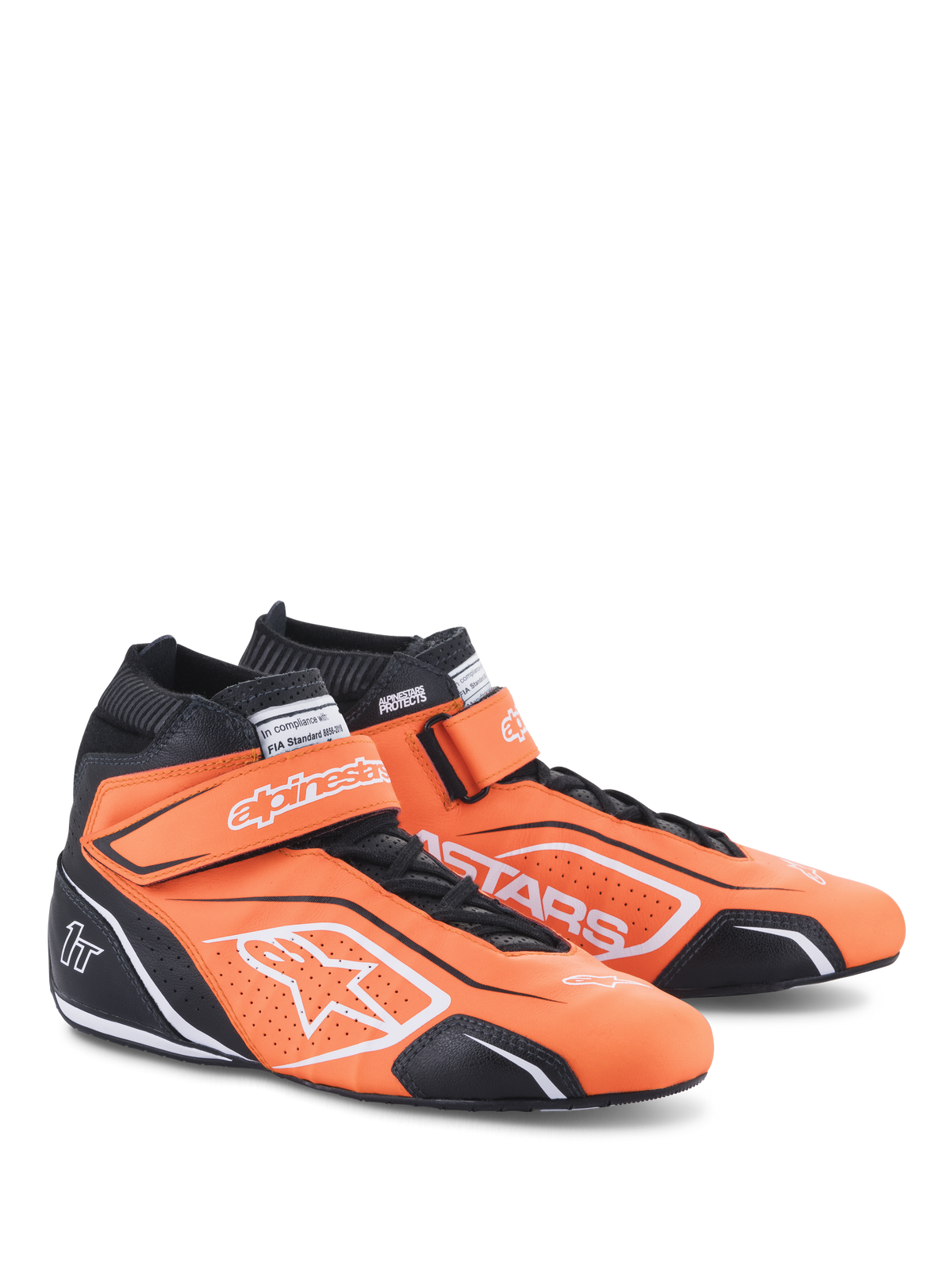
Tech-1 T V3 Shoes FIA -
Tech-1 T V3 Shoes FIA -
Tech-1 Z V3 Shoes FIA -
SP + Shoes N -
Tech-1 T V3 Shoes FIA -
Radar Shoes -
Tech-1 T V3 Shoes FIA -
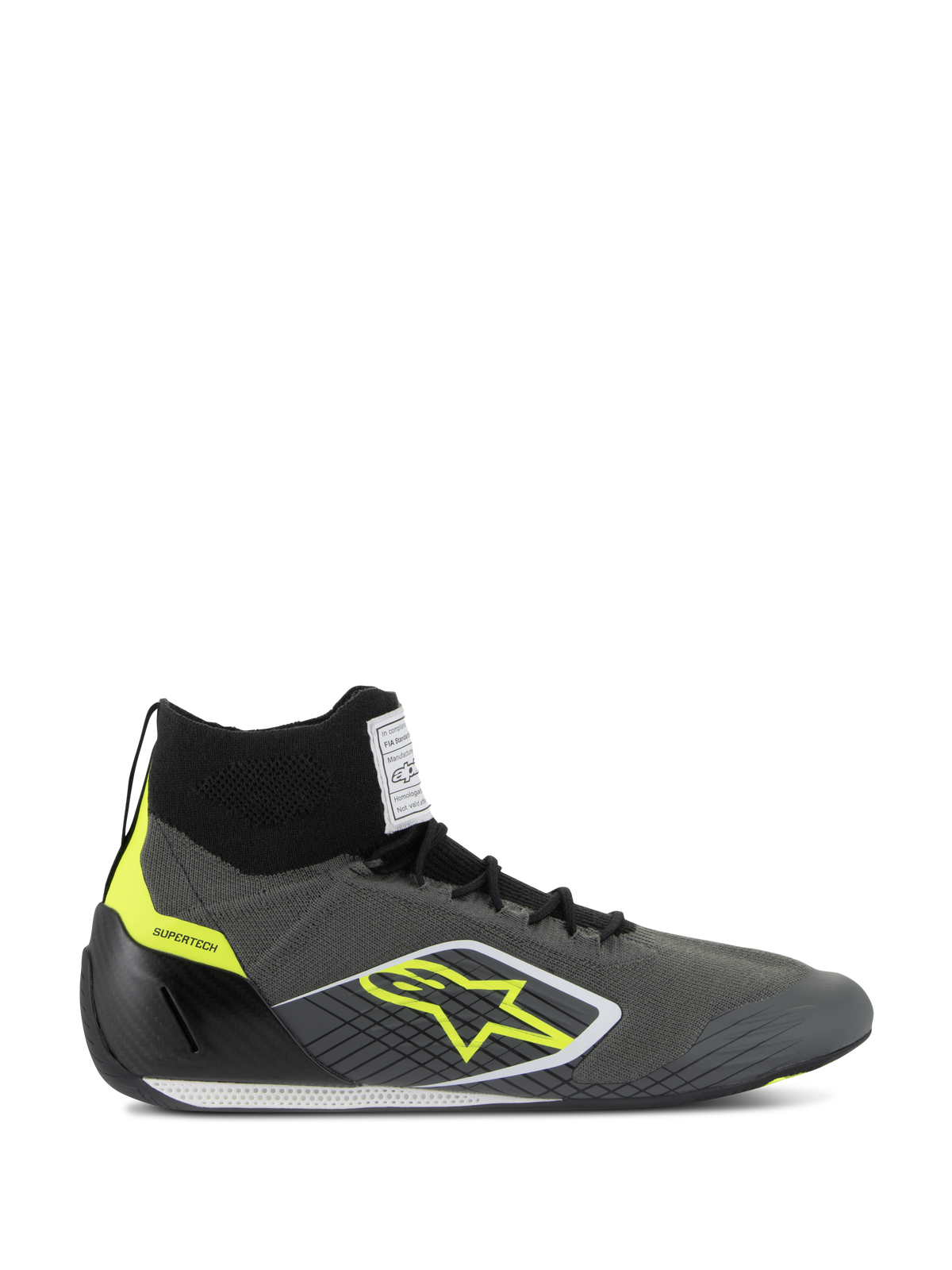
Supertech Shoes - FIA/SFI -
Supermono V2 Shoes FIA -
Tech-1 Z V3 Shoes FIA -
Tech-1 Z V3 Shoes FIA -
SP + Shoes N -
Tech-1 Z V3 Shoes FIA -
Tech-1 T V3 Shoes FIA -
Tech-1 T V3 Shoes FIA -
SP + Shoes N -
SP V3 Shoes FIA -
SP + Shoes N -
Supertech Shoes - FIA/SFI -
Supermono V2 Shoes FIA -
Tech-1 T V3 Shoes FIA -
Supertech Shoes - FIA/SFI -
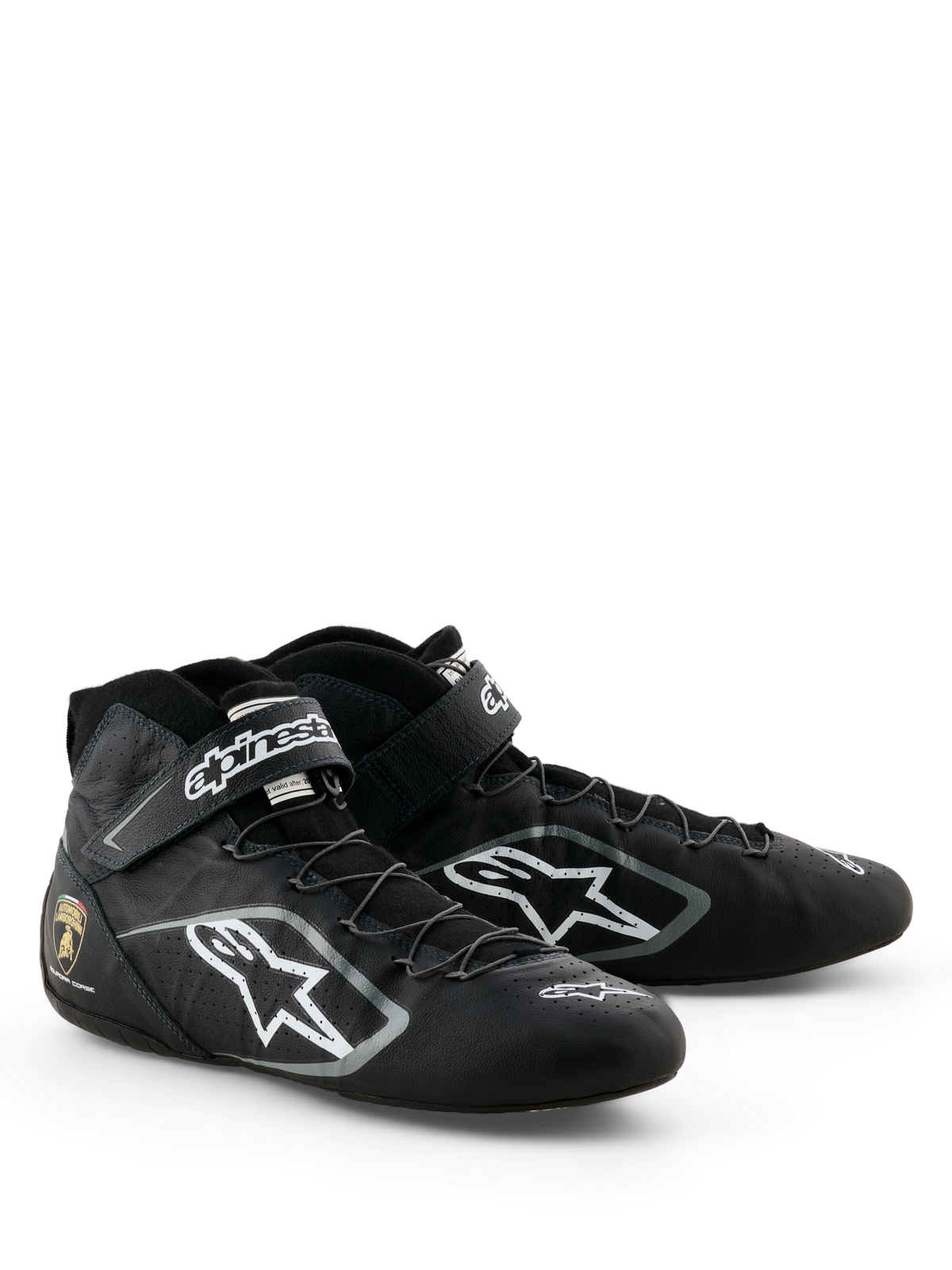
Limited Edition Lamborghini Tech-1 Z V3 Shoes FIA -
Radar V2 Shoes FIA/SFI






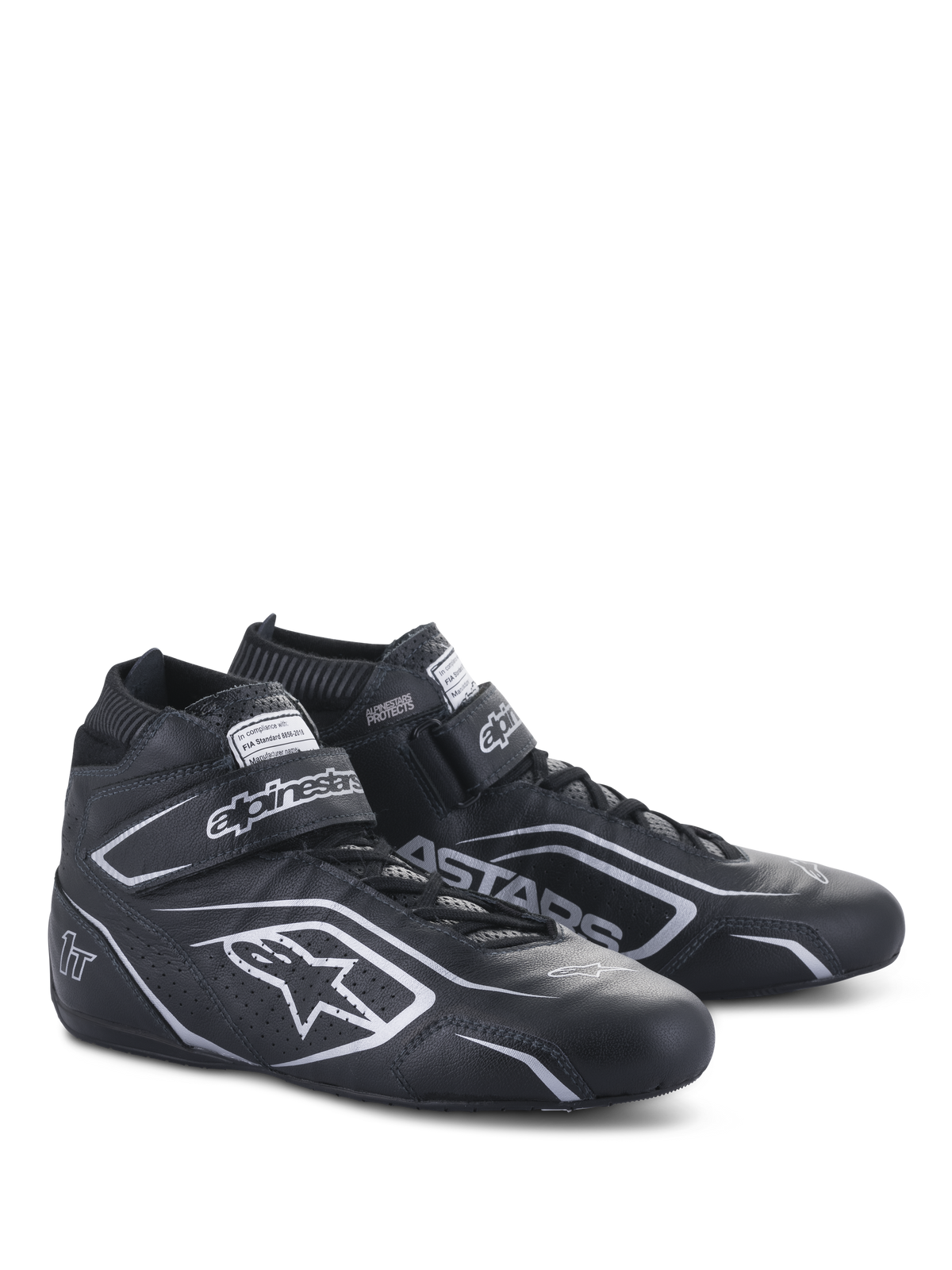

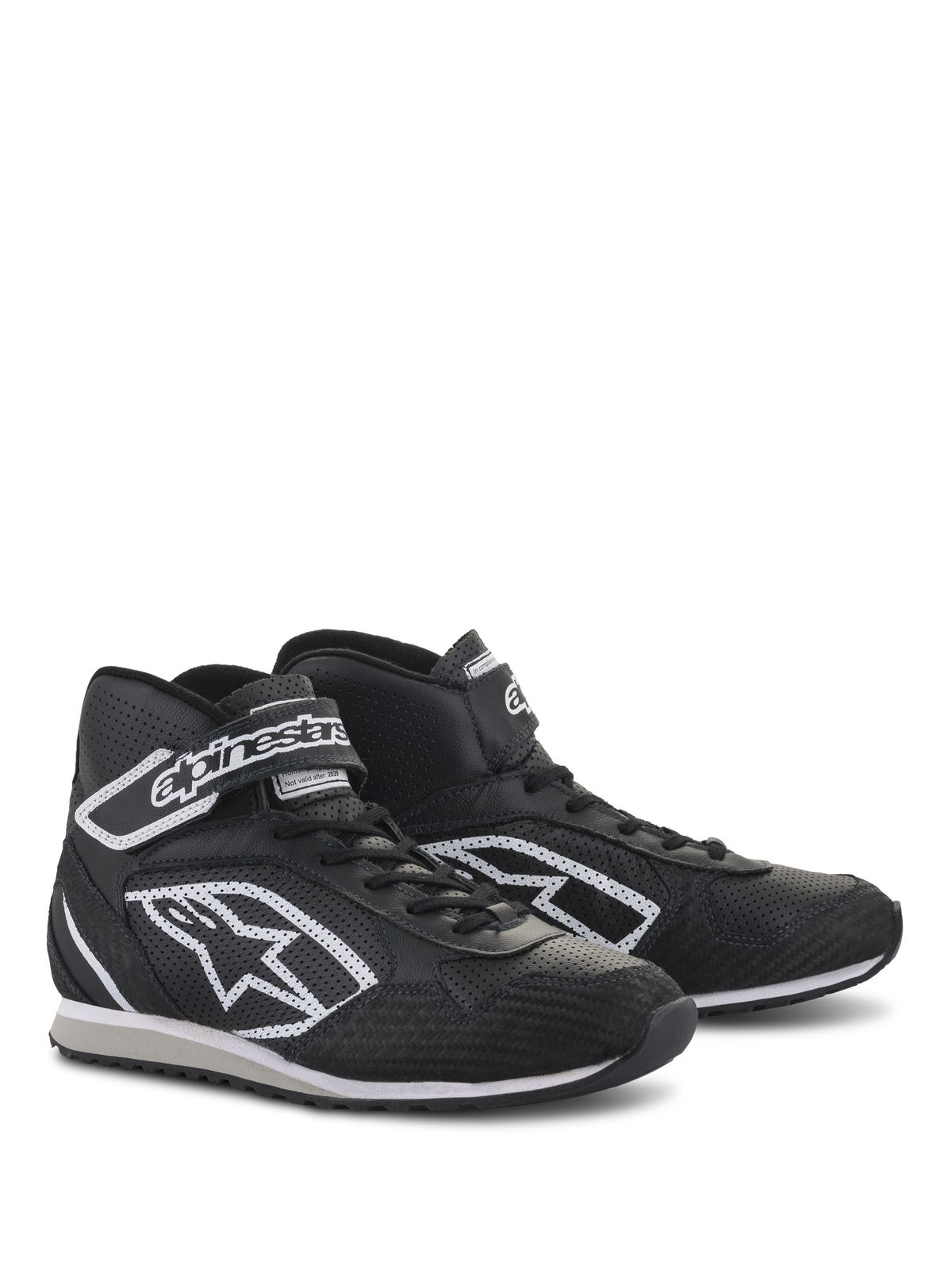

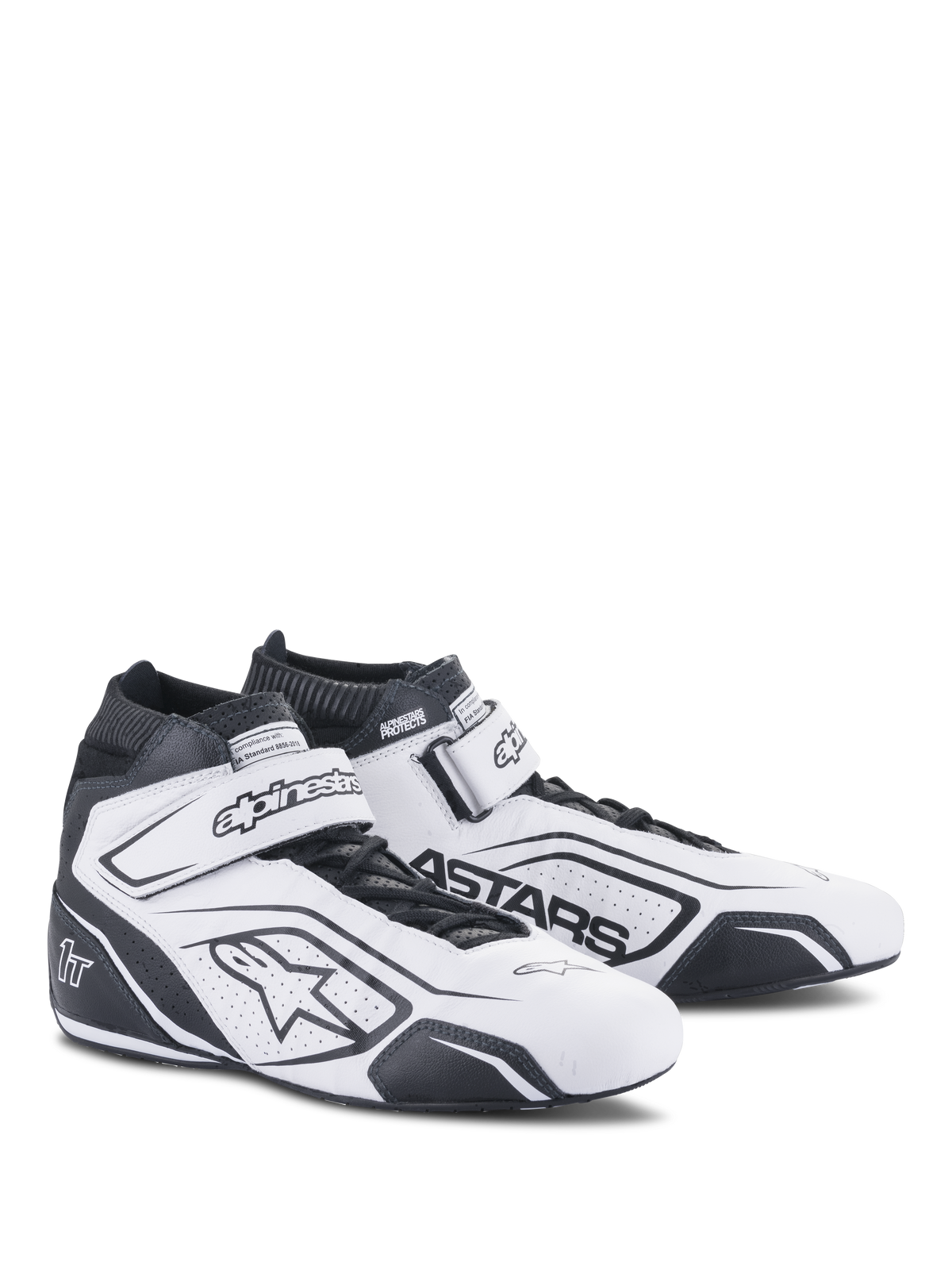

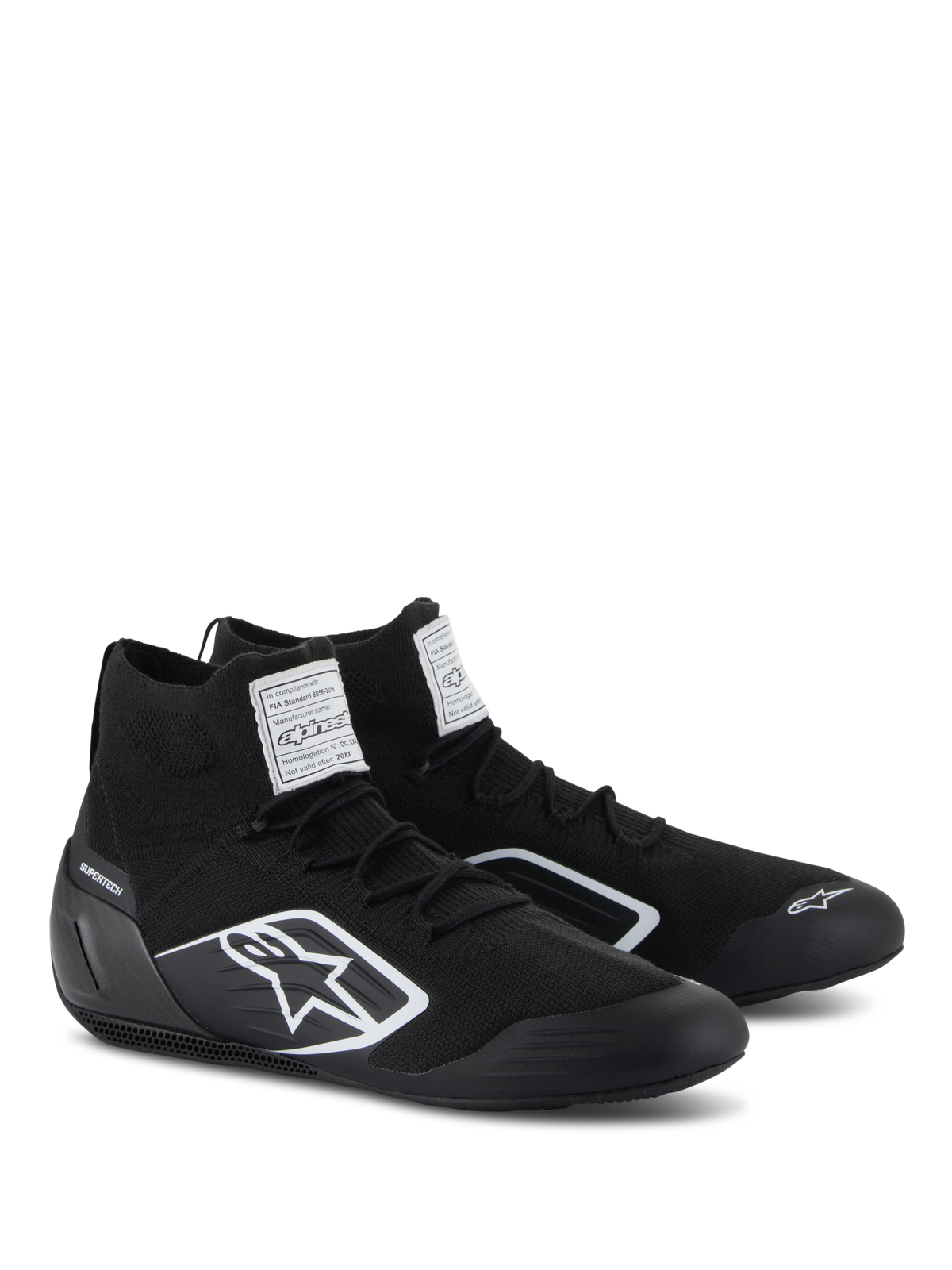


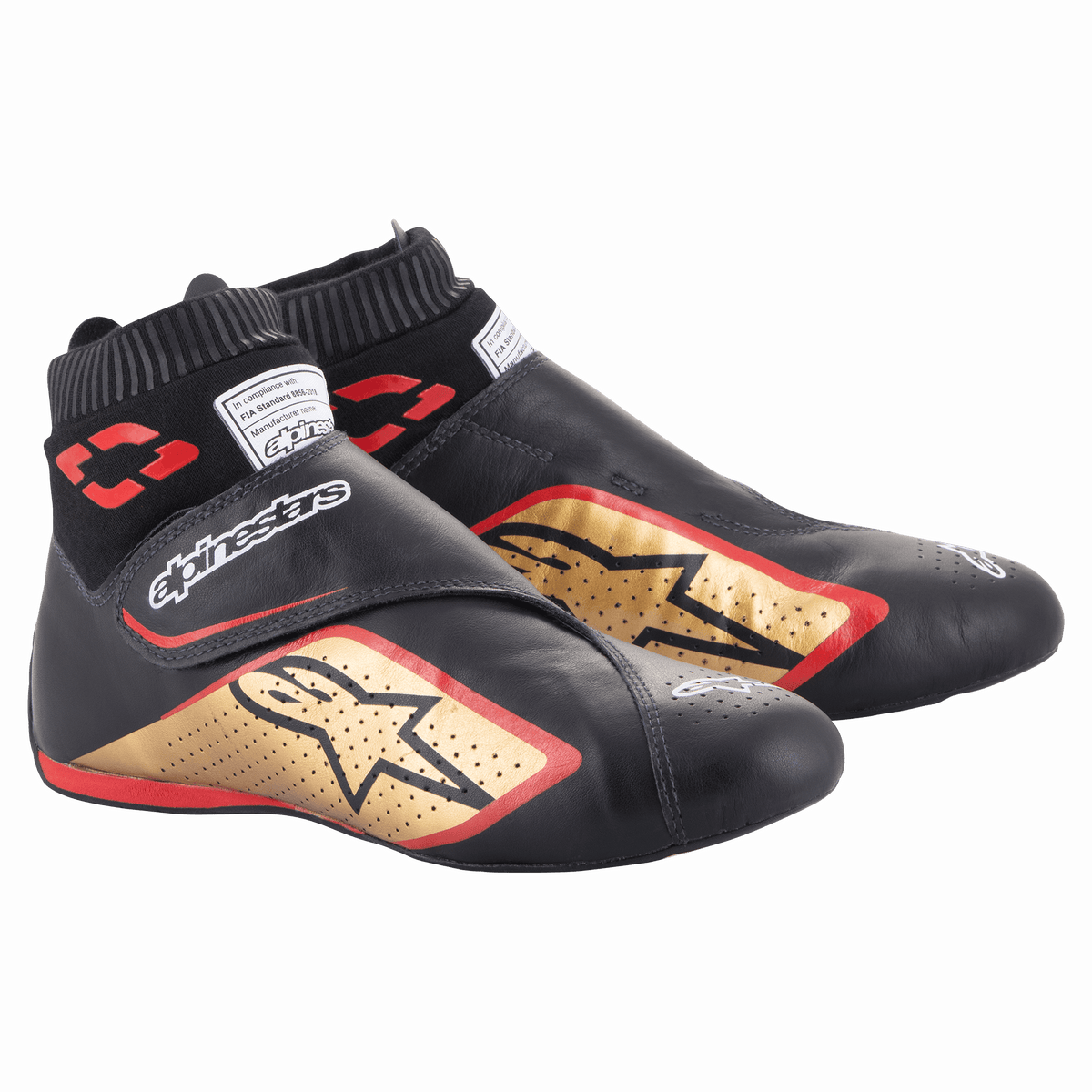


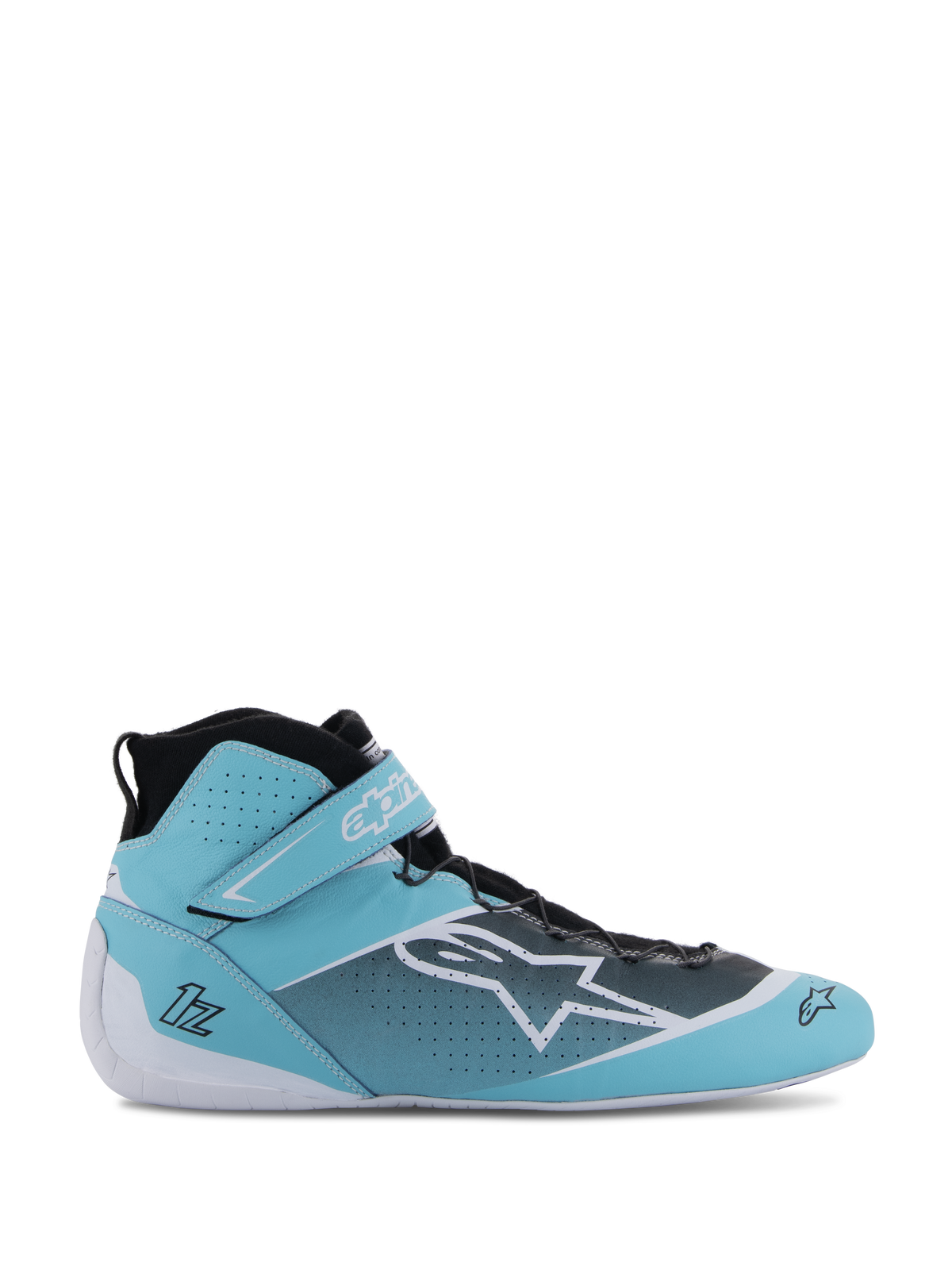

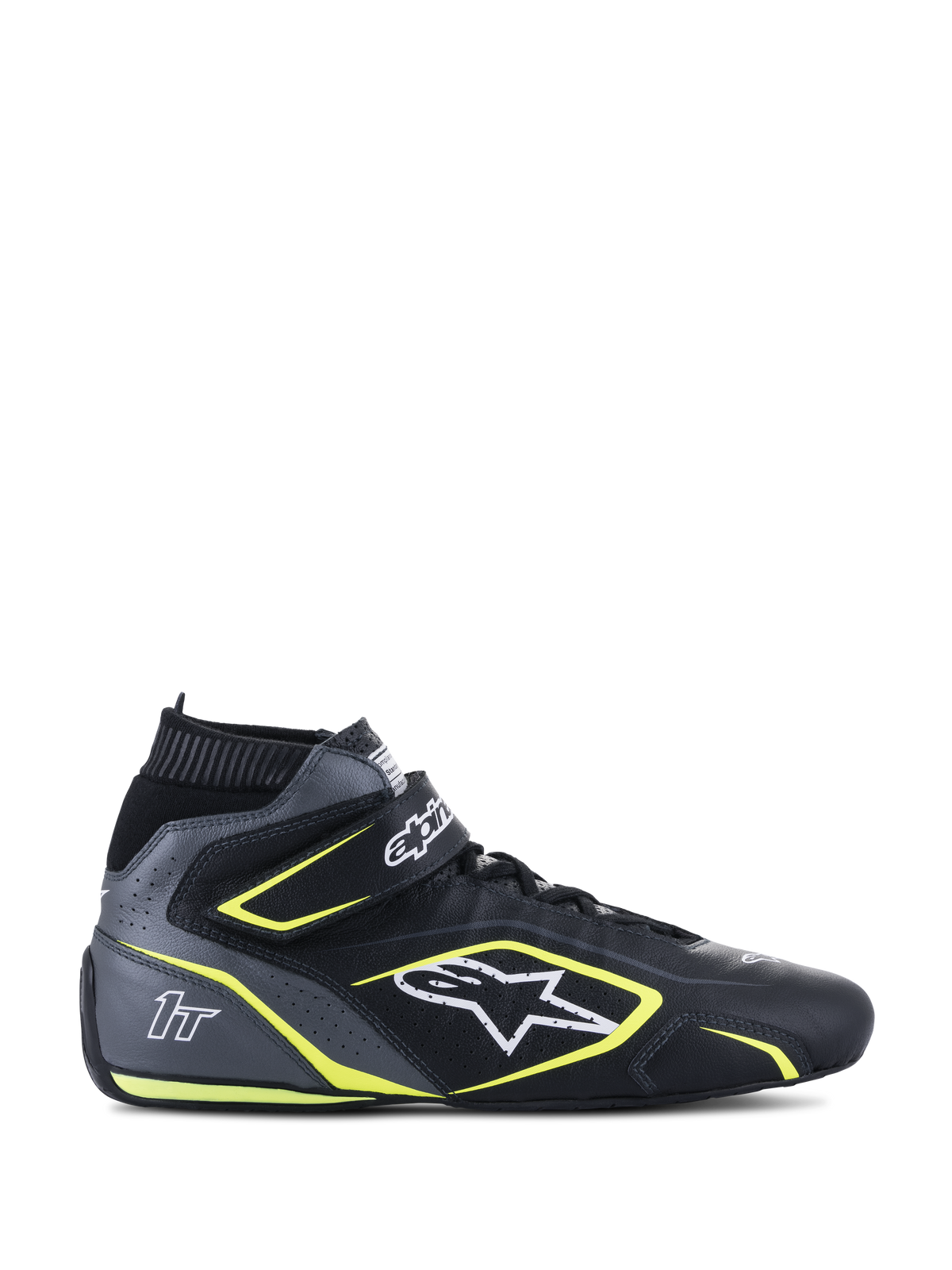
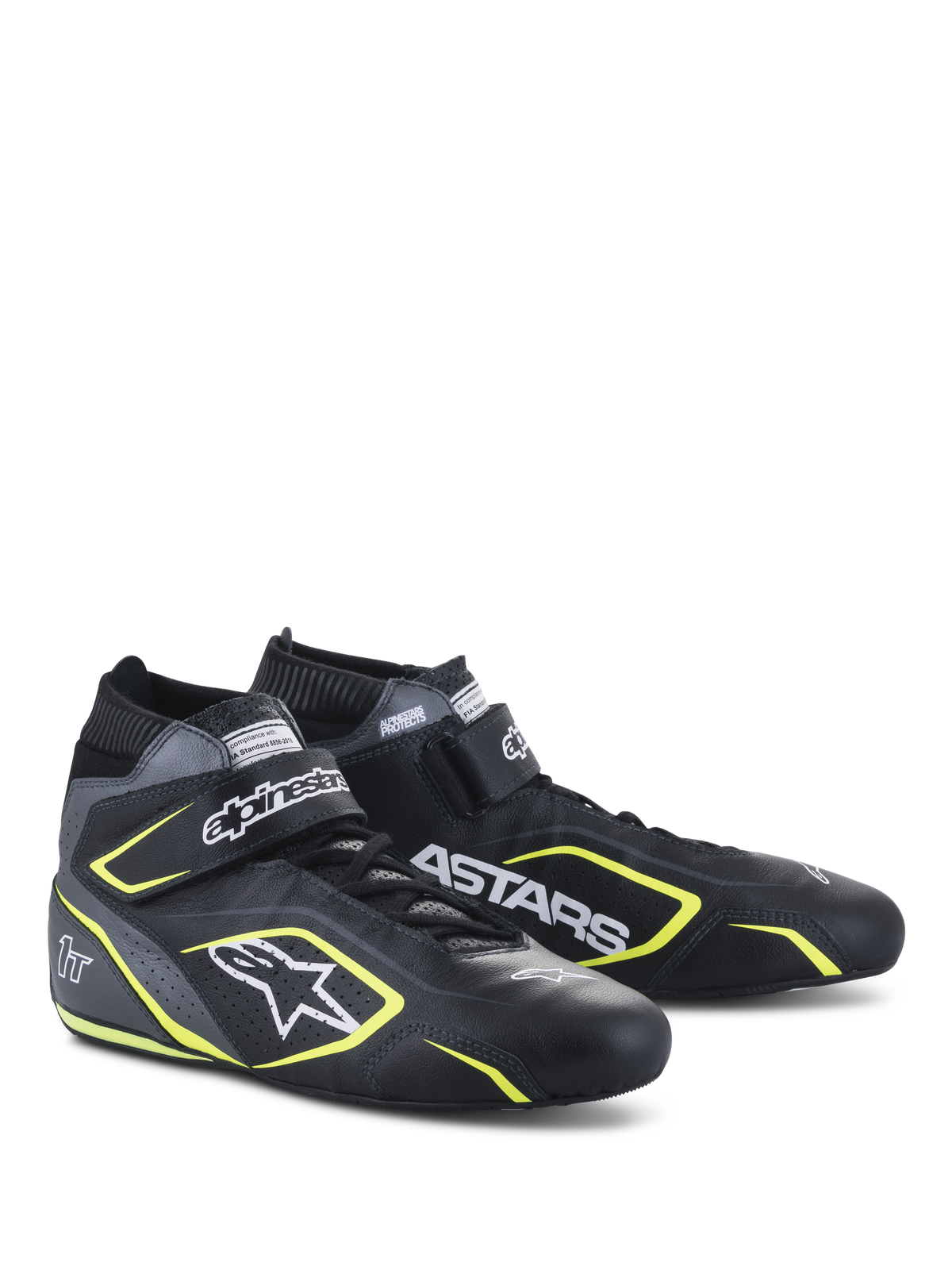
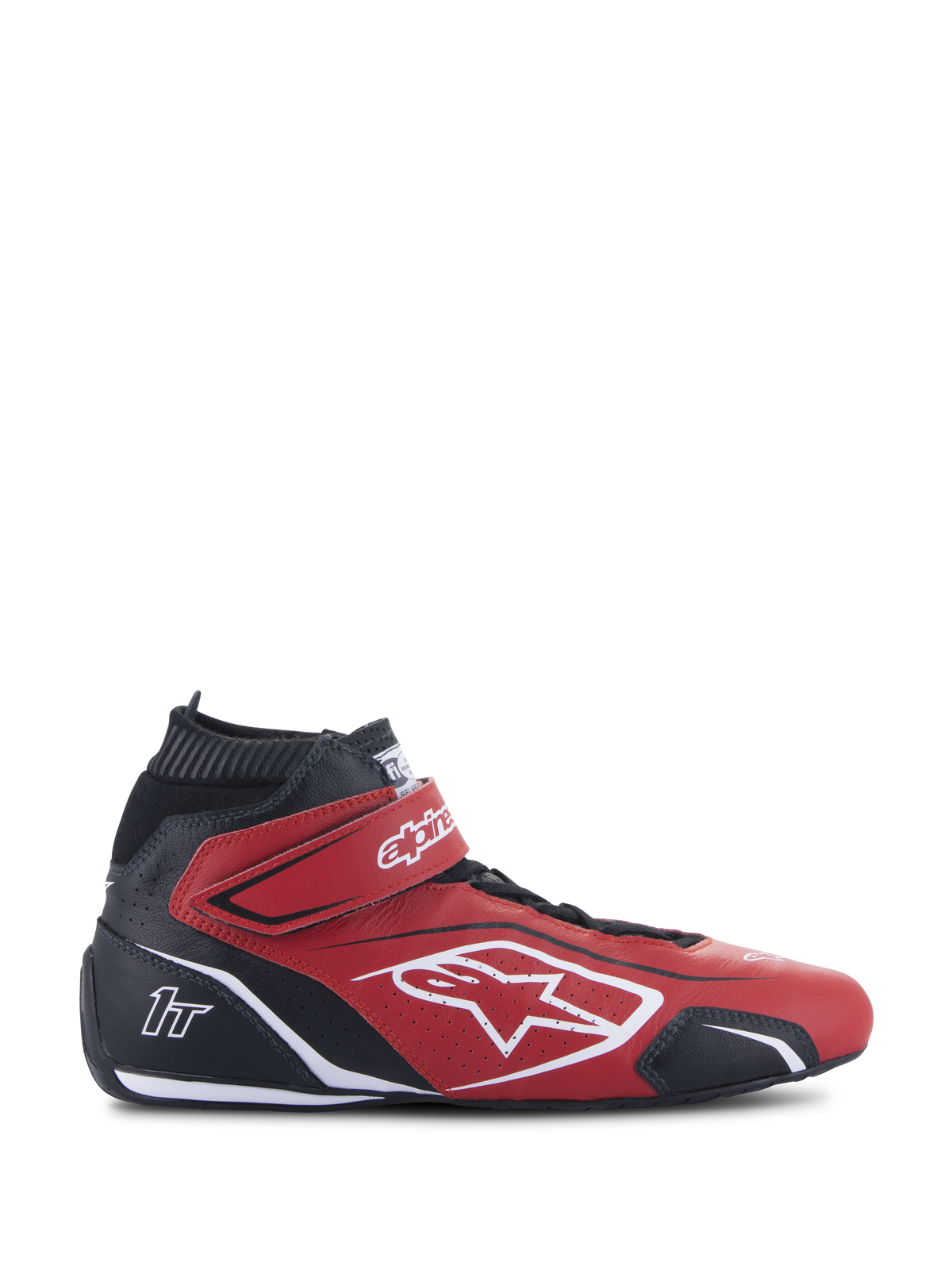


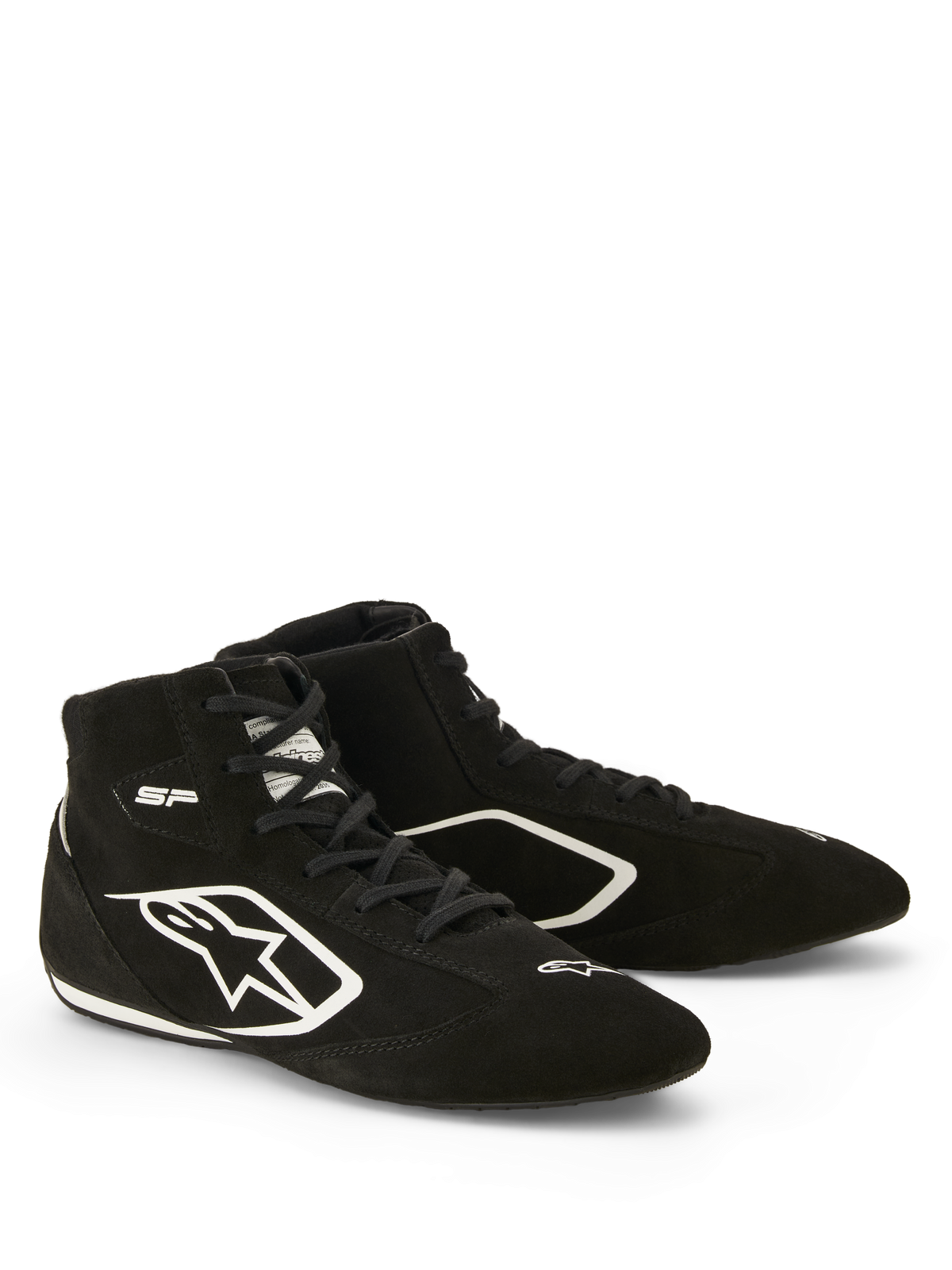


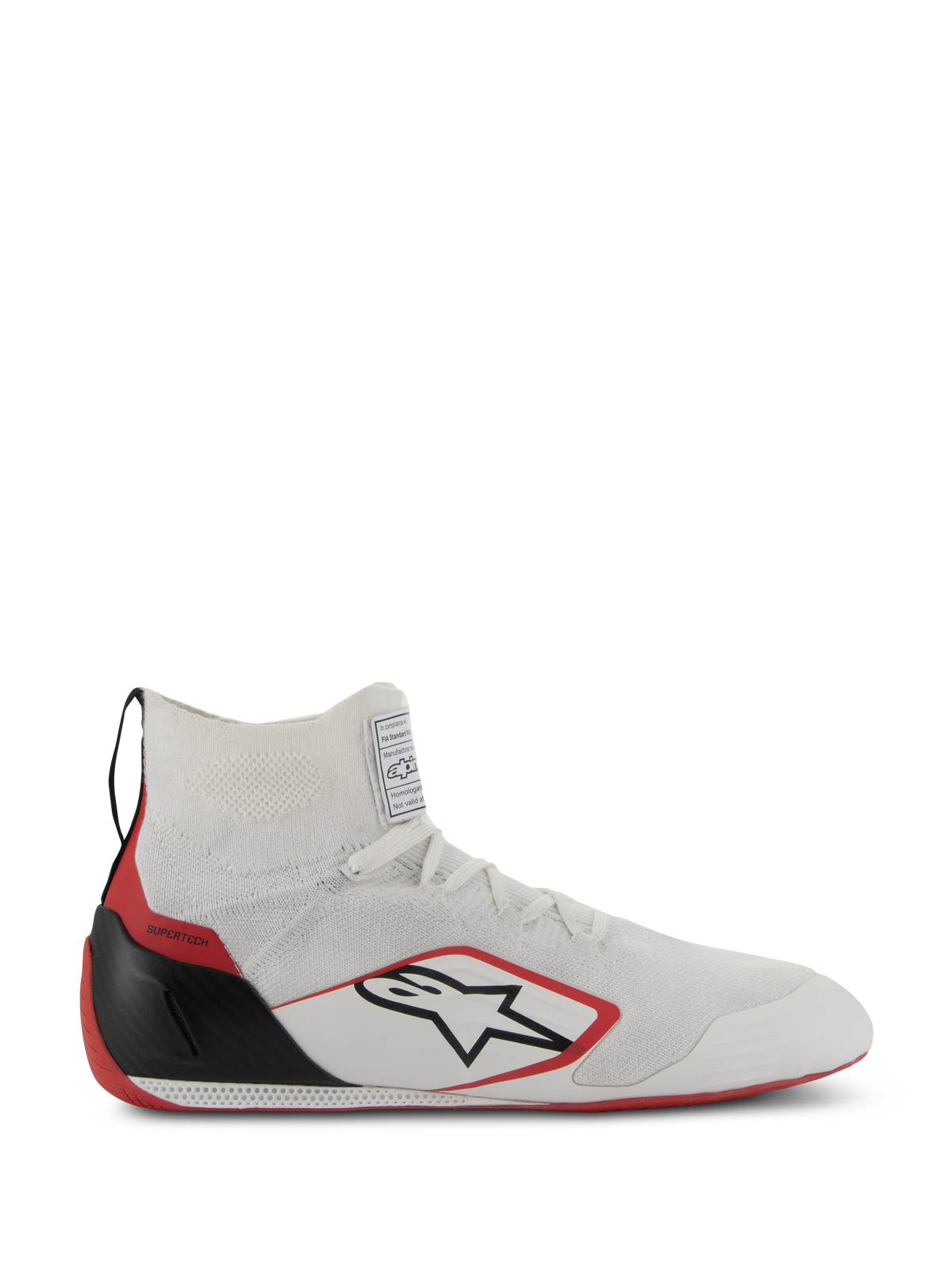


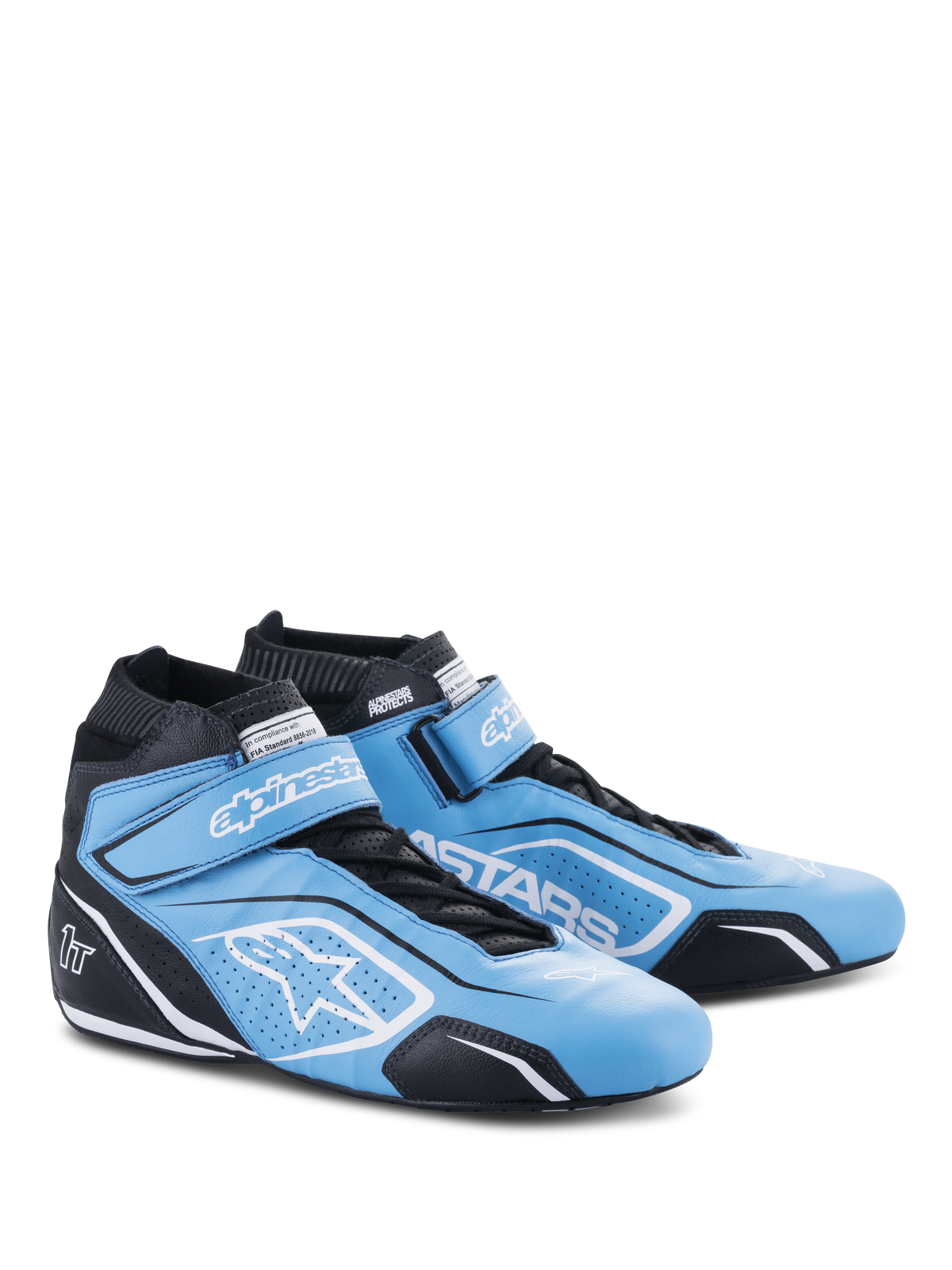




27 of 27 products
All products loaded
Frequently asked questions Hide FAQs
What are race car shoes designed for?
Race car shoes are built for competitive and track-focused driving where pedal precision, grip, and foot protection matter more than casual comfort. In this collection, the focus is on automotive racing footwear engineered to improve throttle, brake, and clutch feel while helping stabilize the foot during high-load driving.
Compared with everyday sneakers, race car shoes typically use thinner performance soles, more supportive uppers, and fire-resistant constructions on many models. The result is better pedal sensitivity, more consistent control, and a fit intended for use inside the cockpit.
How should race car shoes fit and how do I choose the right size?
Race car shoes should fit close and secure, especially around the heel, midfoot, and ankle, without creating pressure points. A correct fit helps prevent the foot from moving inside the shoe under braking or cornering and preserves clear pedal feedback.
Use your usual performance-footwear size as a starting point, then consider the socks you wear for driving. Try them on with thin racing socks, lace or fasten them fully, and check that you have enough toe room for natural movement without looseness across the forefoot. If you are between sizes, choose the option that keeps the heel locked in place while maintaining circulation during longer sessions.
Are these race car shoes FIA or SFI certified?
Many race car shoes in this category are offered with FIA homologation, SFI approval, or both, but certification can vary by model. FIA approval is commonly used in international motorsport, while SFI approval is widely referenced in North American racing series. Always check the individual product page and the label inside the shoe for the exact standard listed.
For drivers, the key point is rulebook compliance. If your series specifies FIA 8856-2018, SFI 3.3, or both, match the shoe to that requirement before ordering. Collection pages can include different levels of footwear, so certification should never be assumed across the entire range.
What is the difference between lightweight low-profile race shoes and more supportive mid-top designs?
Within a race car shoe collection, lower-profile designs usually prioritize pedal feel, reduced weight, and freedom of ankle movement, while mid-top or higher-cut designs add more structure and support around the ankle. The right choice depends on your driving discipline, cockpit environment, and personal preference.
| Type | Main Benefit | Typical Use |
|---|---|---|
| Low-profile performance shoe | Maximum pedal sensitivity and lighter feel | Sprint racing, track driving, drivers who prioritize tactile feedback |
| Mid-top race shoe | More ankle coverage and support | Longer sessions, higher-load driving, drivers wanting added stability |
If you are comparing auto and kart-specific options, browse auto footwear for car racing applications and karting footwear for kart-specific designs.
How do I clean and care for race car shoes?
Clean race car shoes gently to protect the upper materials, sole compounds, and any fire-resistant construction. Remove surface dirt with a soft brush or damp cloth, use mild soap only when needed, and let the shoes air-dry naturally away from direct heat, dryers, or radiators.
Do not machine wash unless the product care instructions explicitly allow it. After driving, open the shoes fully and dry them in a ventilated space to reduce moisture buildup. Regularly inspect the sole, heel, closure system, and stitching, since wear in these areas can affect pedal feel, fit, and safety performance over time.