
367 results
-
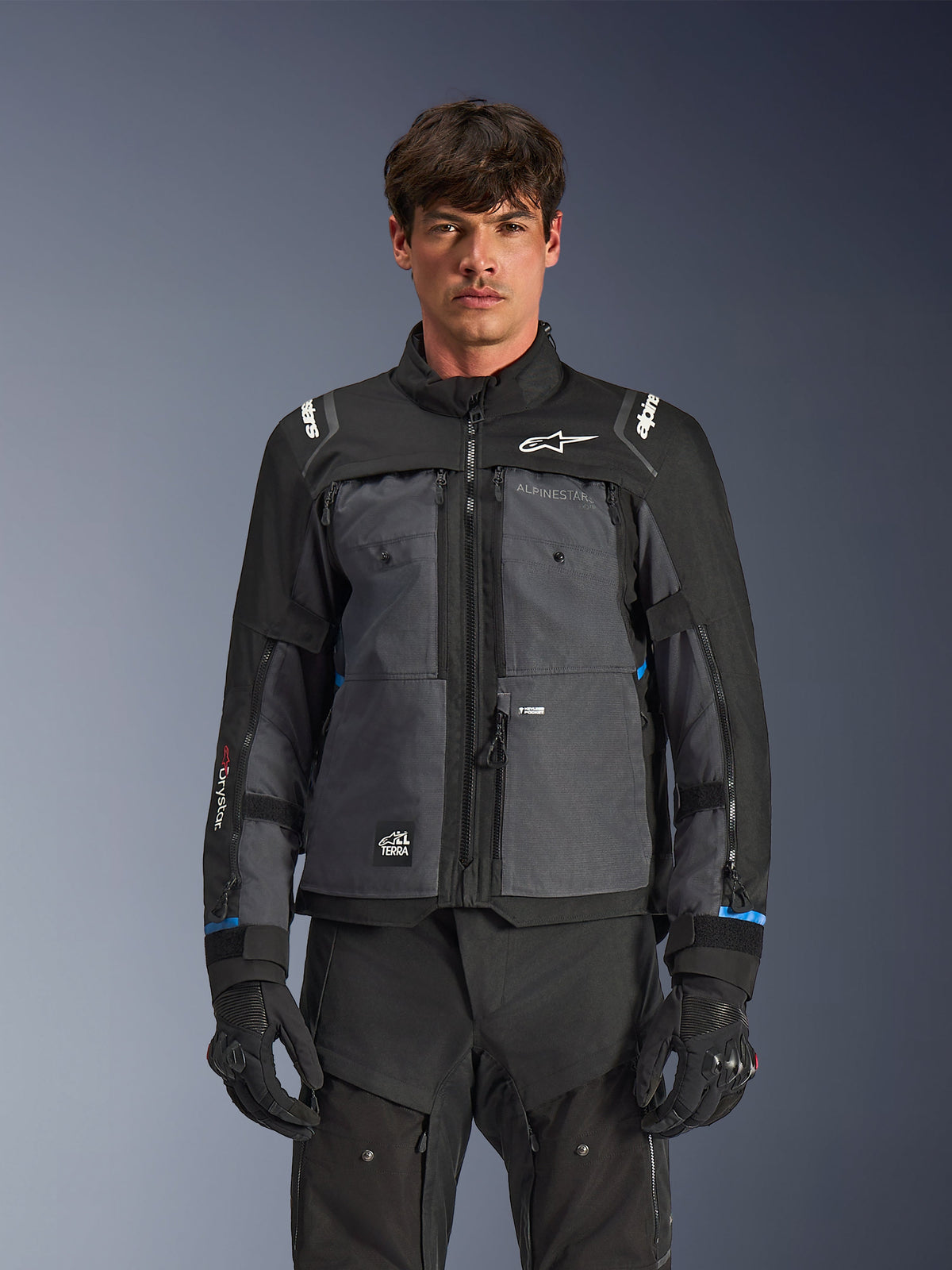
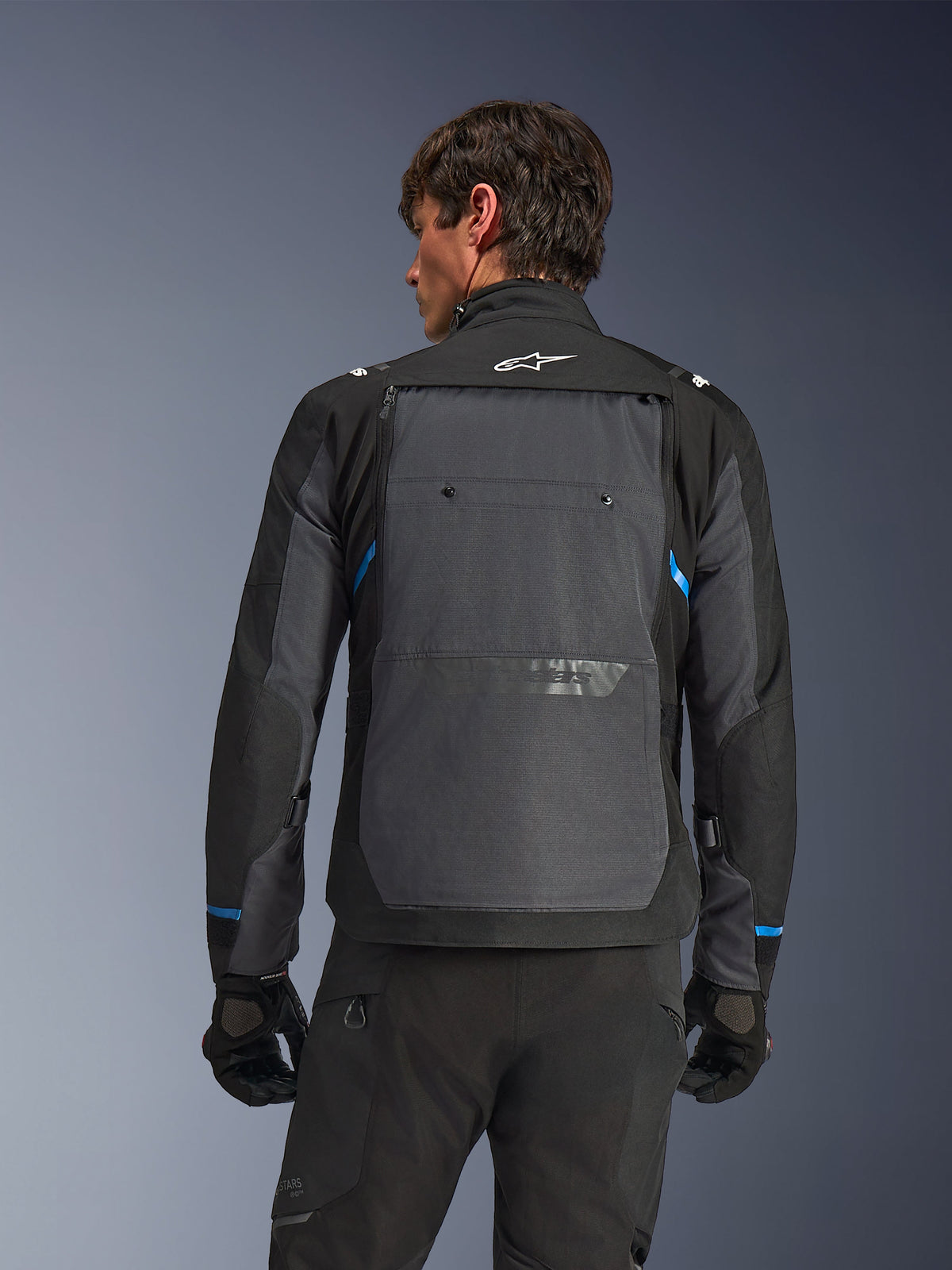
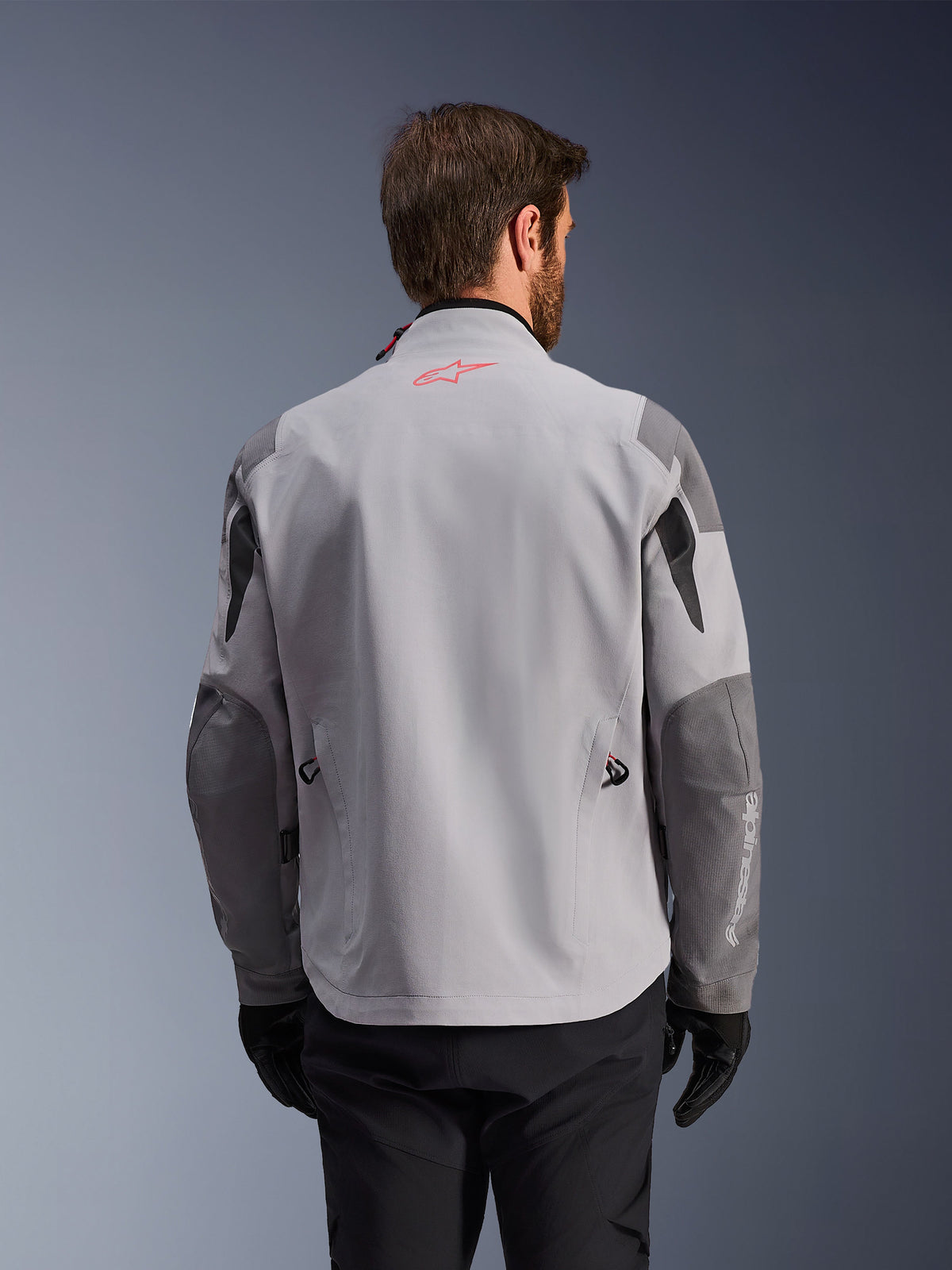
Cusco Drystar® Jacket -
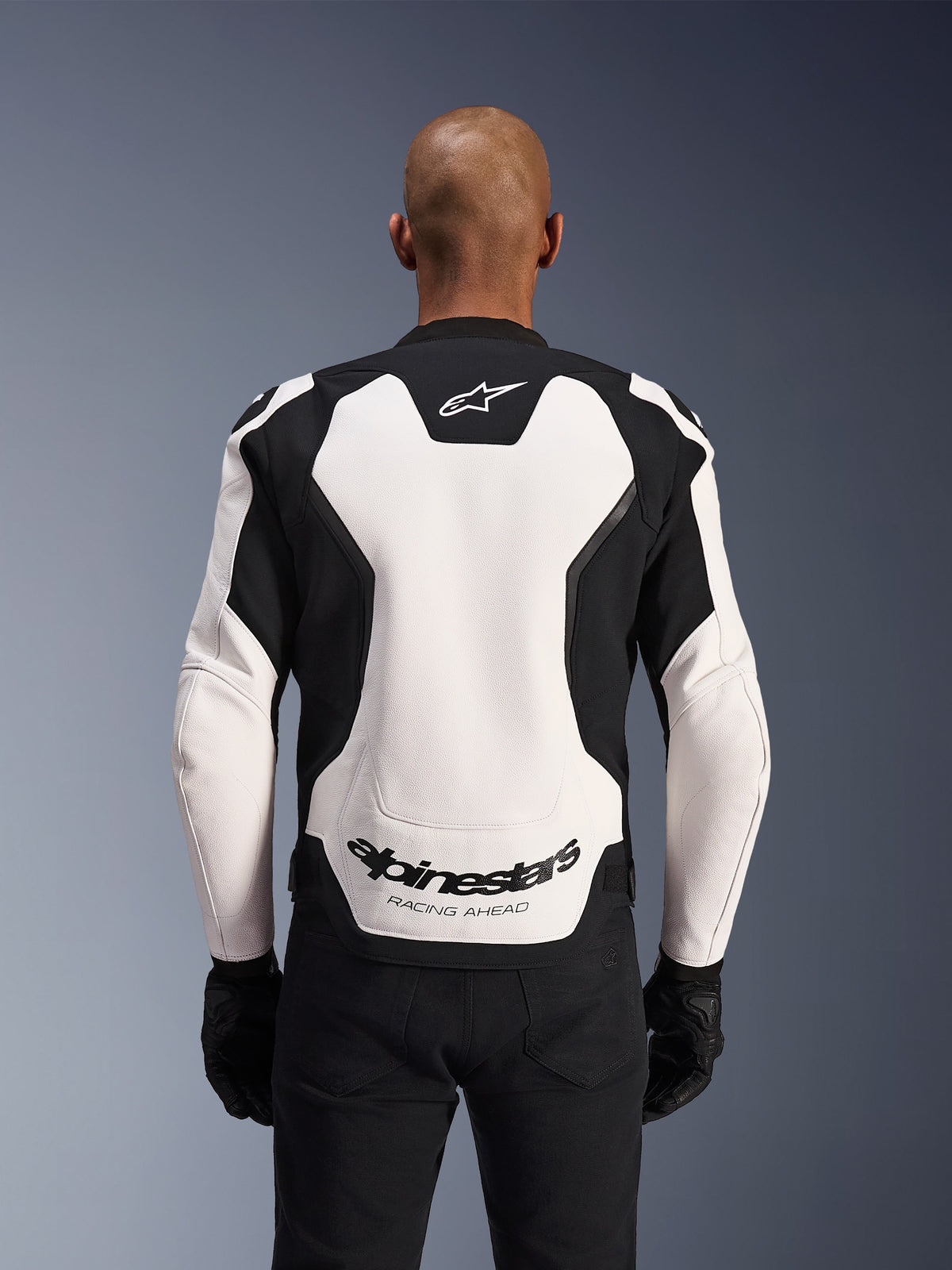
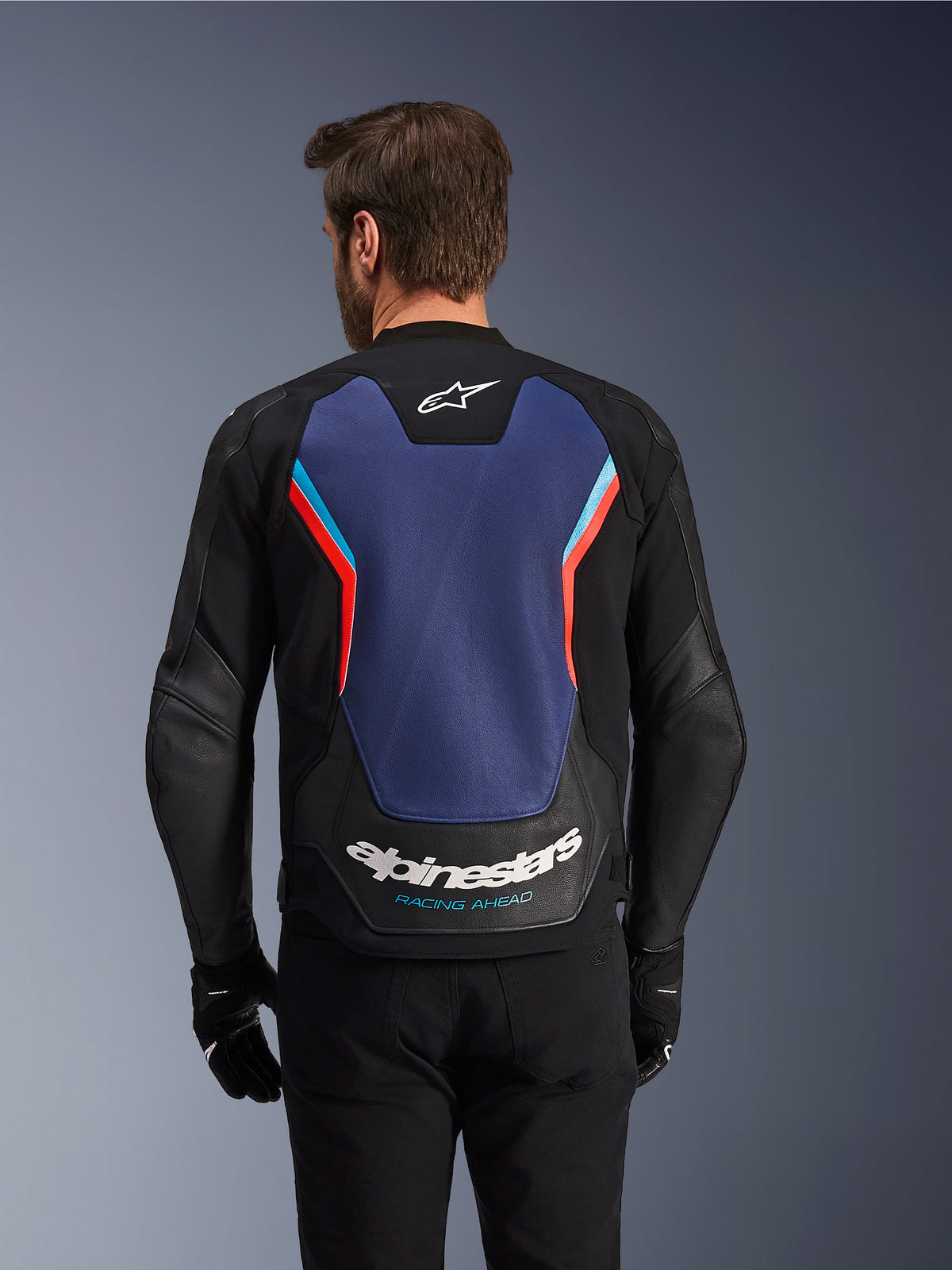
GP Force V2 Leather Jacket -
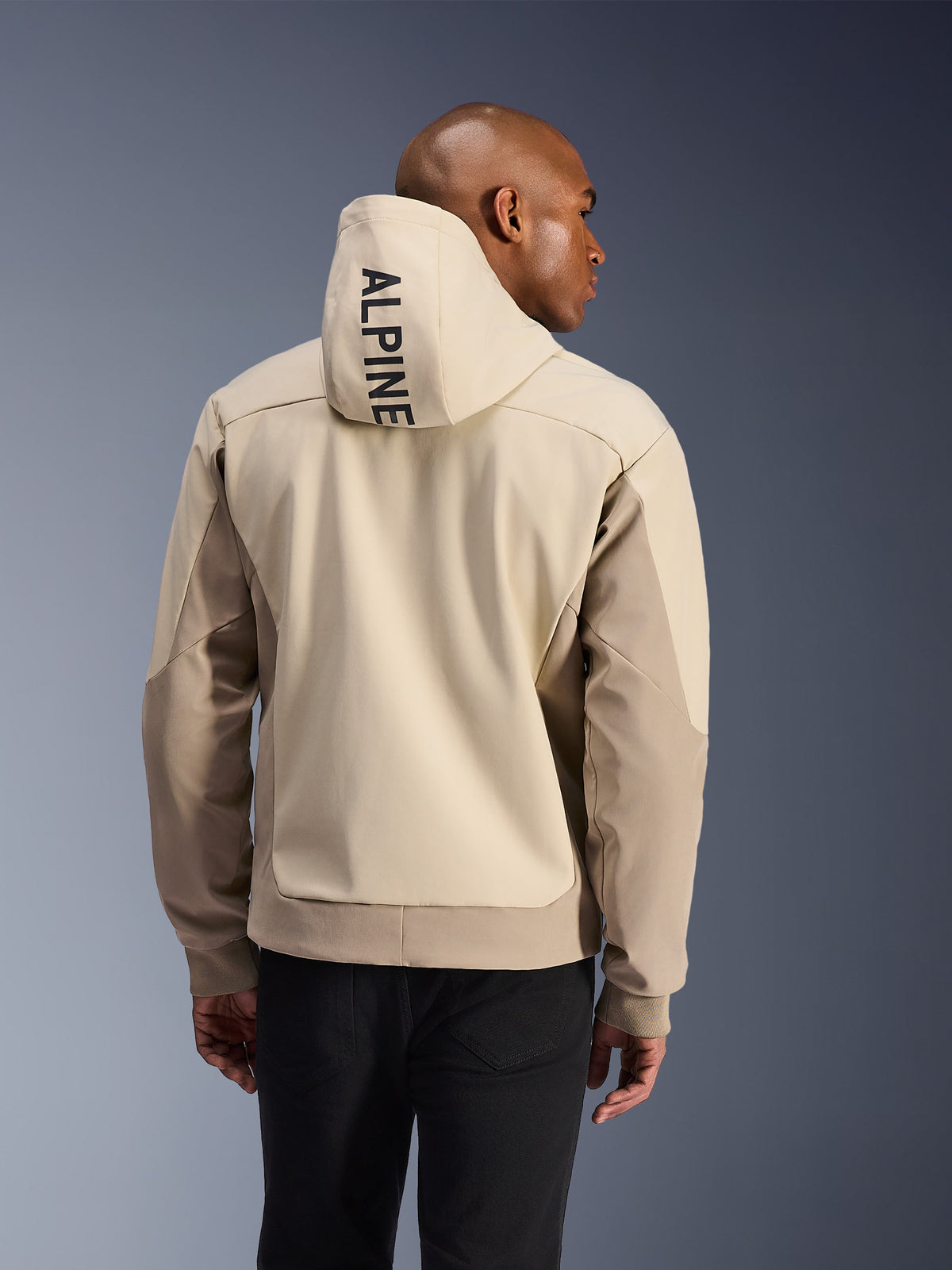
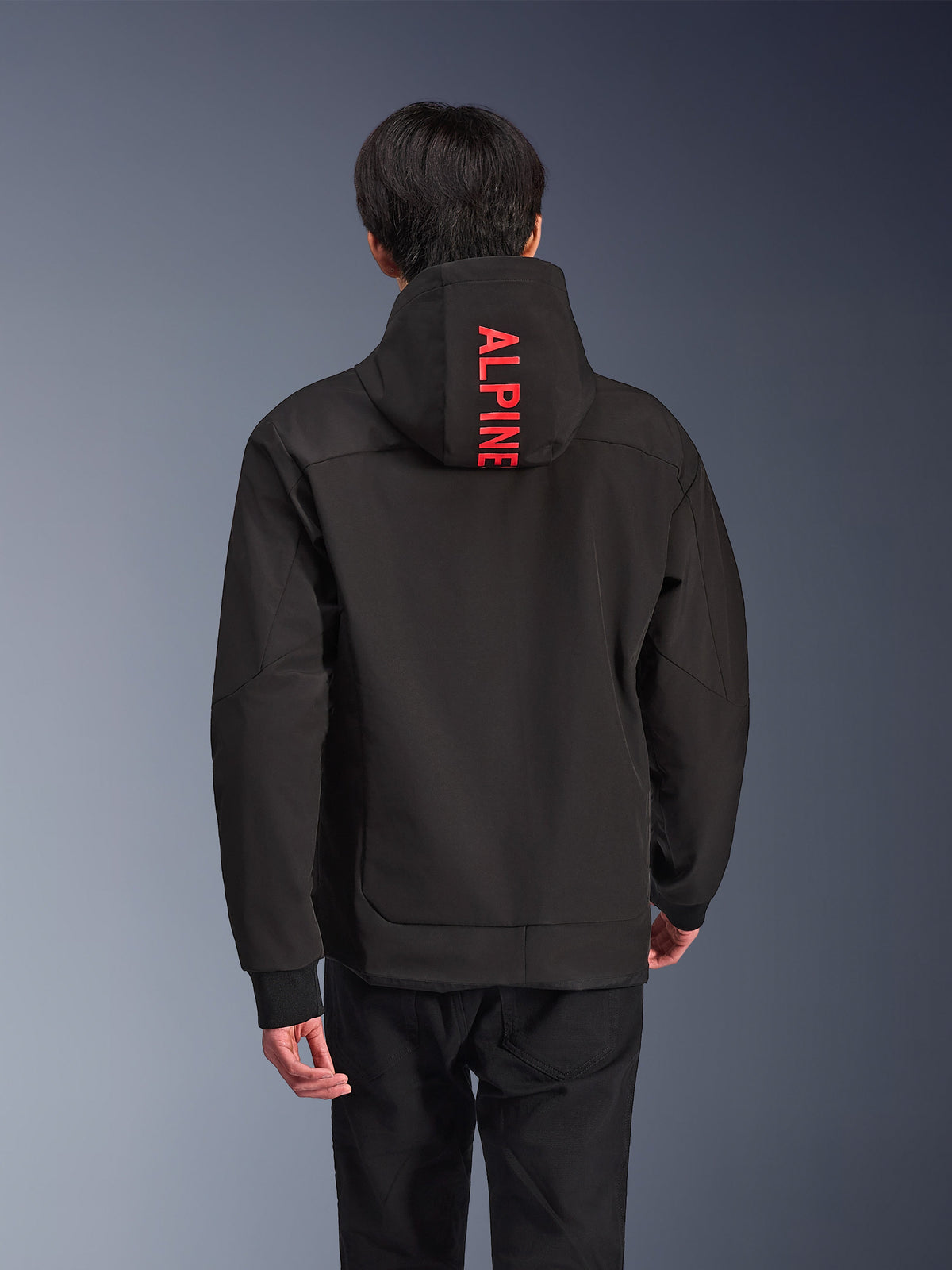
Radium Tech Hoodie -
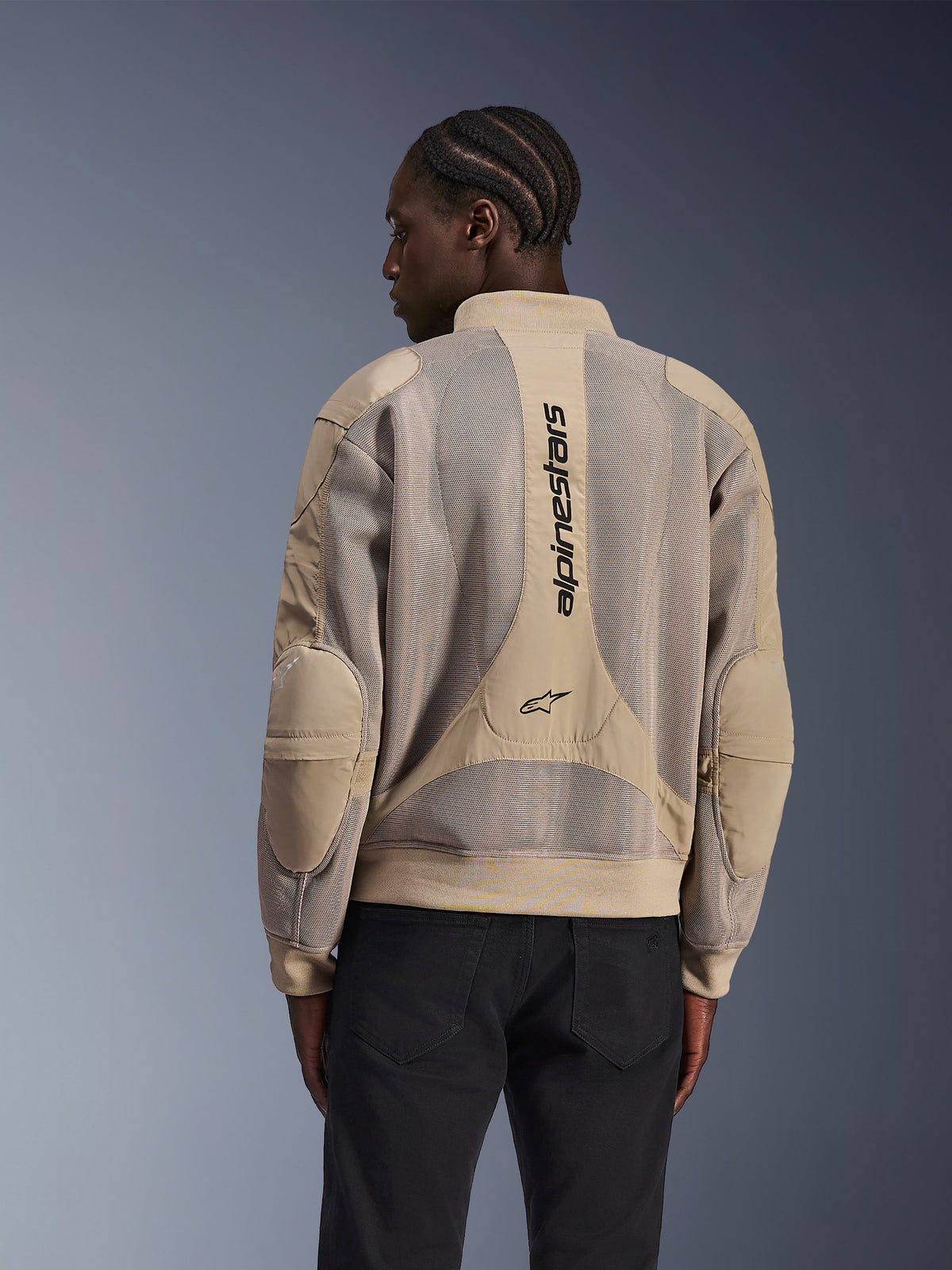
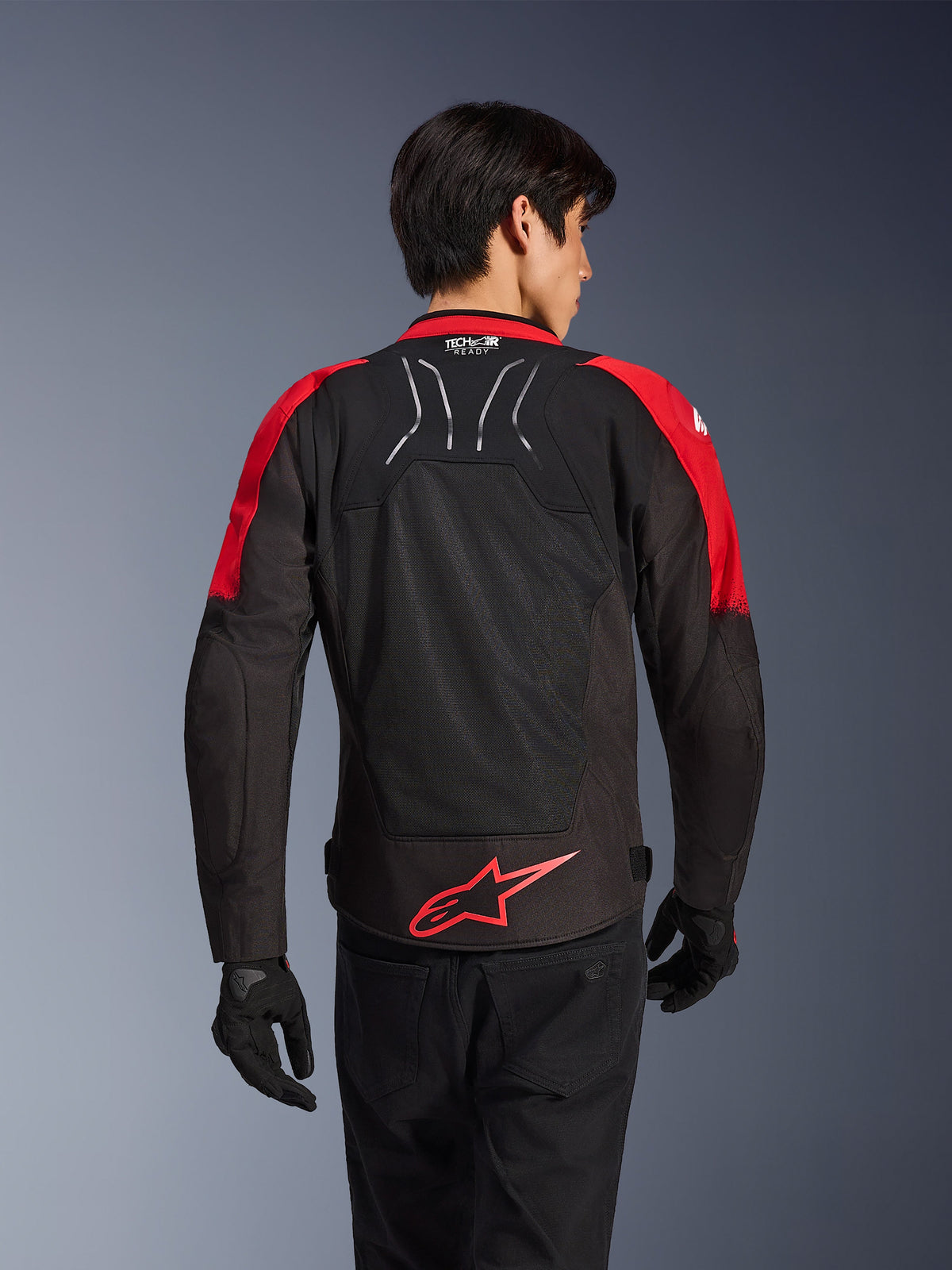
Flight Air Jacket -
Maxdura Drystar®XF Laminated Armored Shell -
Dice Jacket -
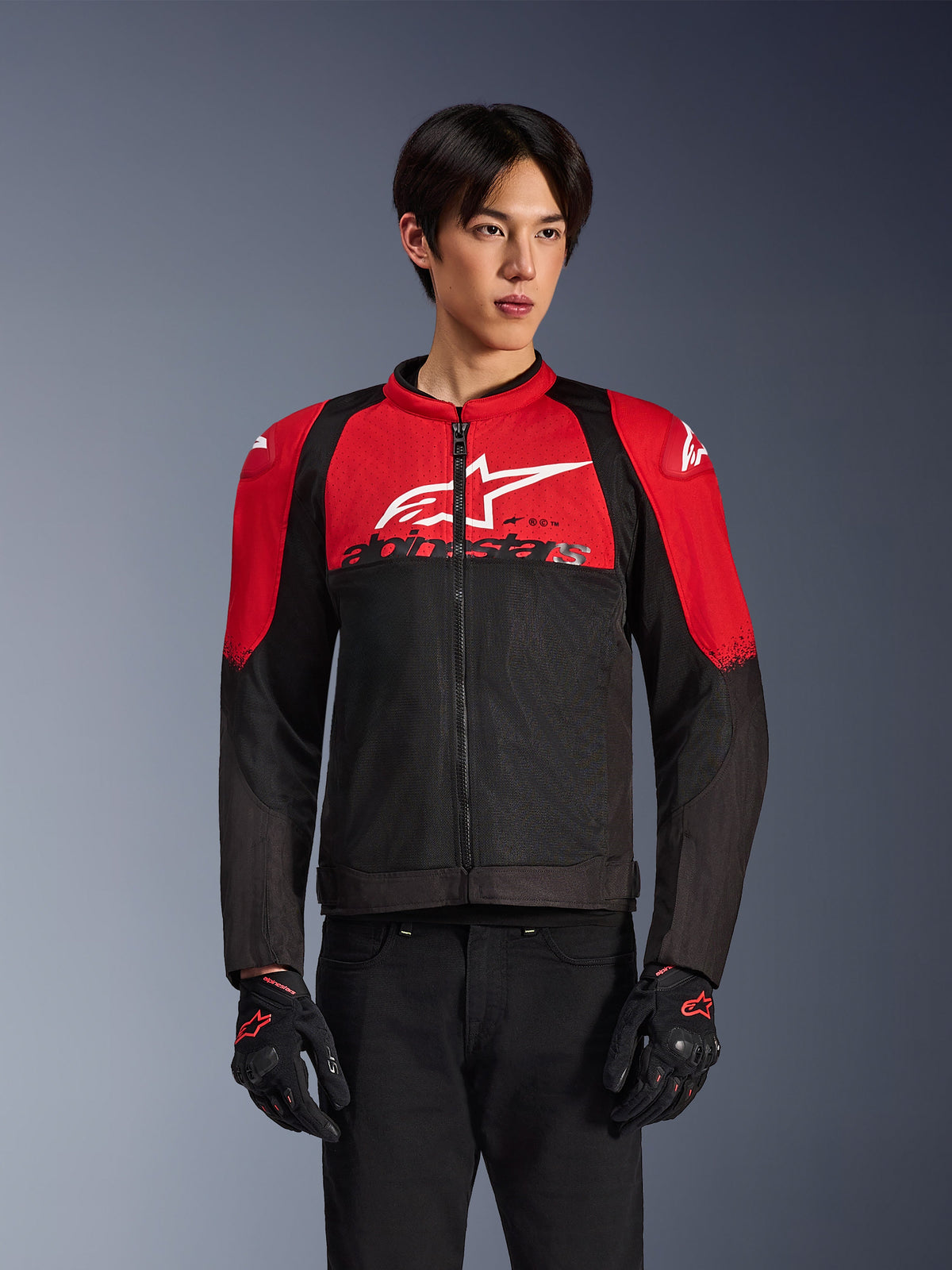
T-GP Air Jacket -
GP Force V2 Leather Jacket -
SMX Air Jacket -
Flight Air Jacket -
Radium Tech Hoodie -
Mogress Air Jacket -
Cusco Drystar® Jacket -
Bruiser Jacket -
Maxdura Drystar®XF Laminated Armored Shell -
AST V3 Air Jacket -
Cusco Drystar® Jacket -
SMX Air Jacket -
Dice Jacket -
Andes Pro Drystar® XF Jacket -
Provoke Jacket -
AST V3 Air Jacket -
Bruiser Jacket -
T-GP Air Jacket -
Aeroshell Airflow Jacket -
Andes Pro Drystar® XF Jacket -
AST V3 Air Jacket -
Maxdura Drystar®XF Laminated Armored Shell -
AST V3 Air Jacket -
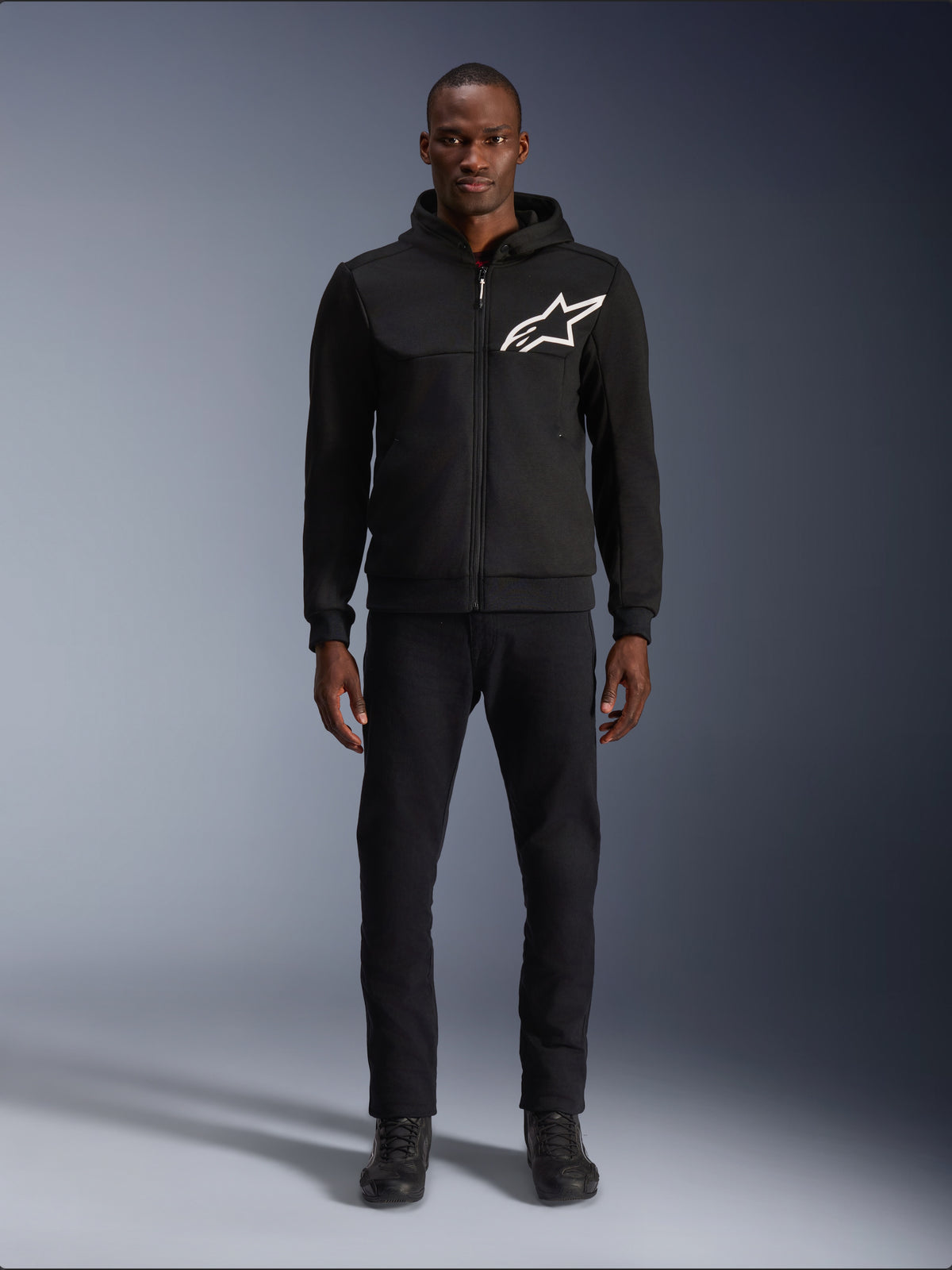
Chrome V2 Sport Hoodie -
Ageless Hoodie -
Zaca Air Jacket -
T-SPS Air V2 Jacket -
Aeroshell Airflow Jacket -
Flight Air Jacket -
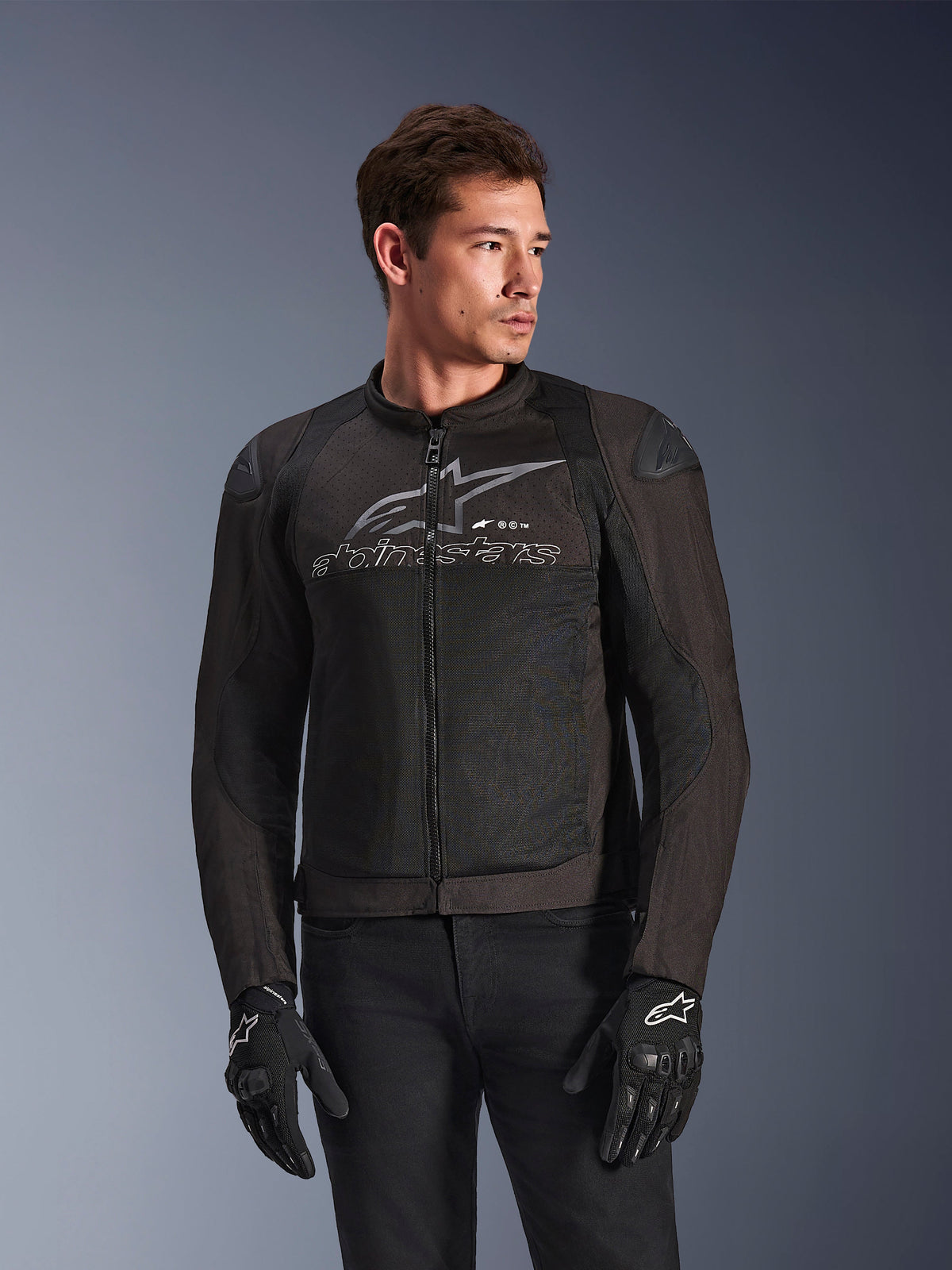
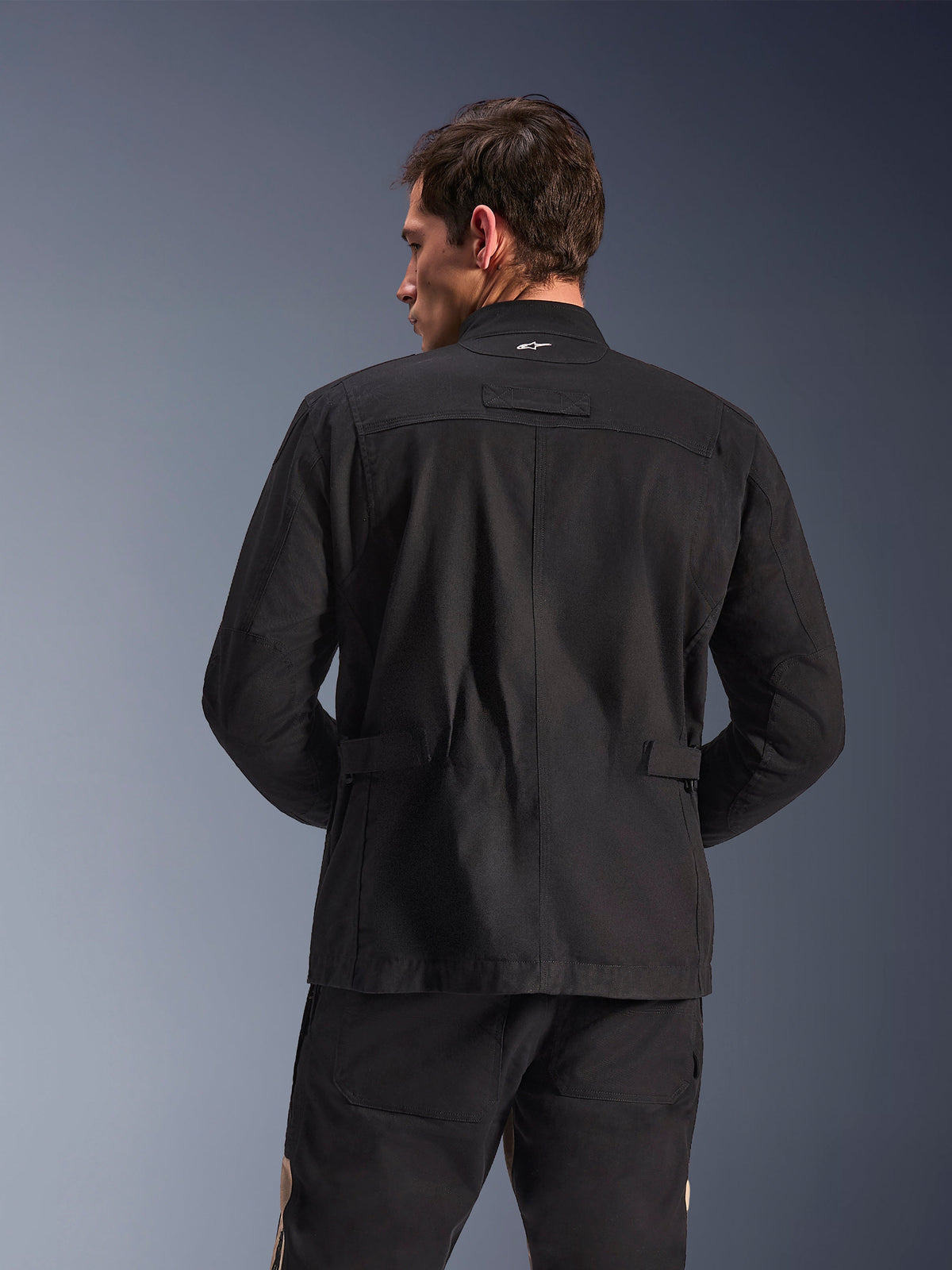
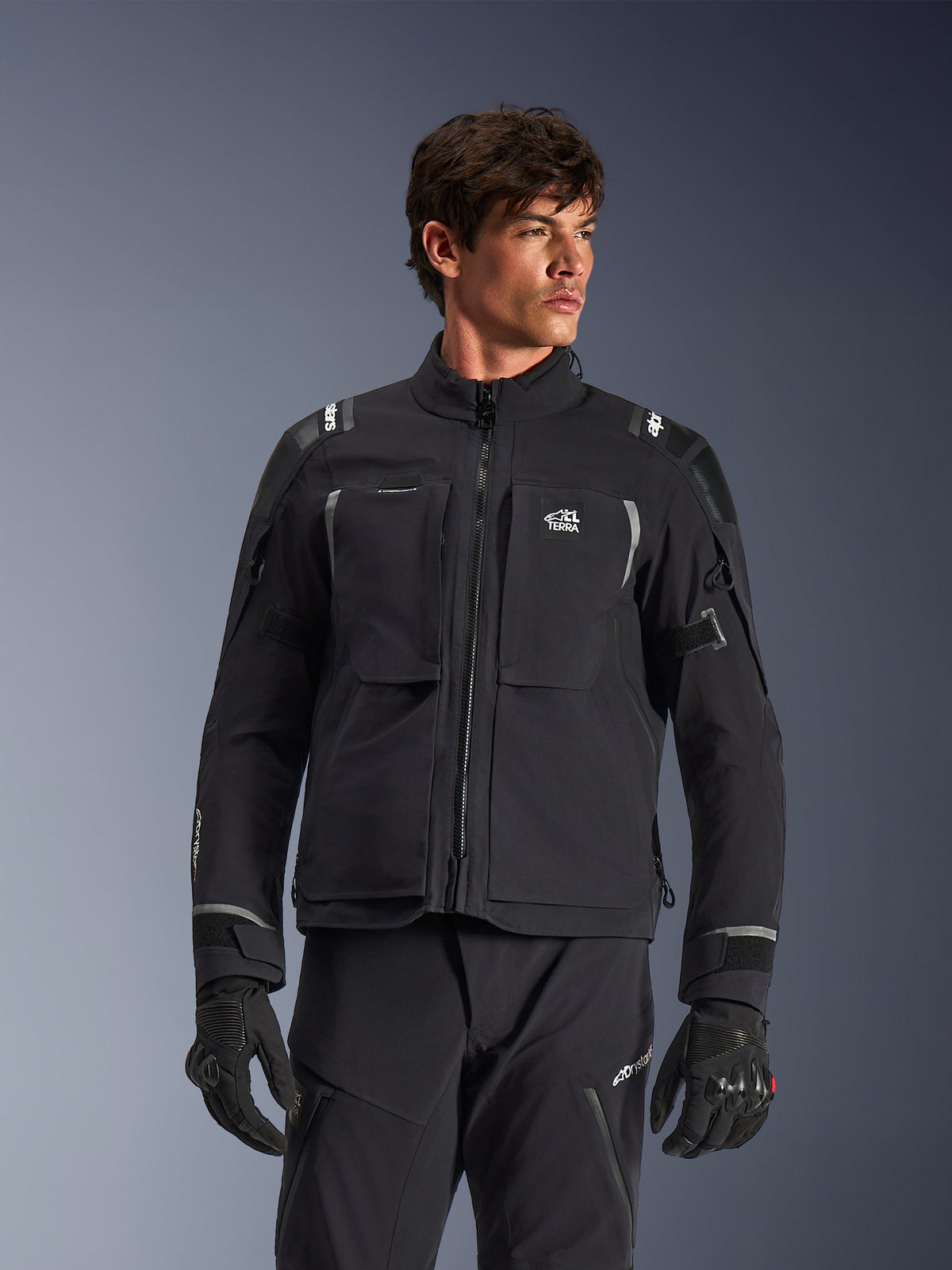
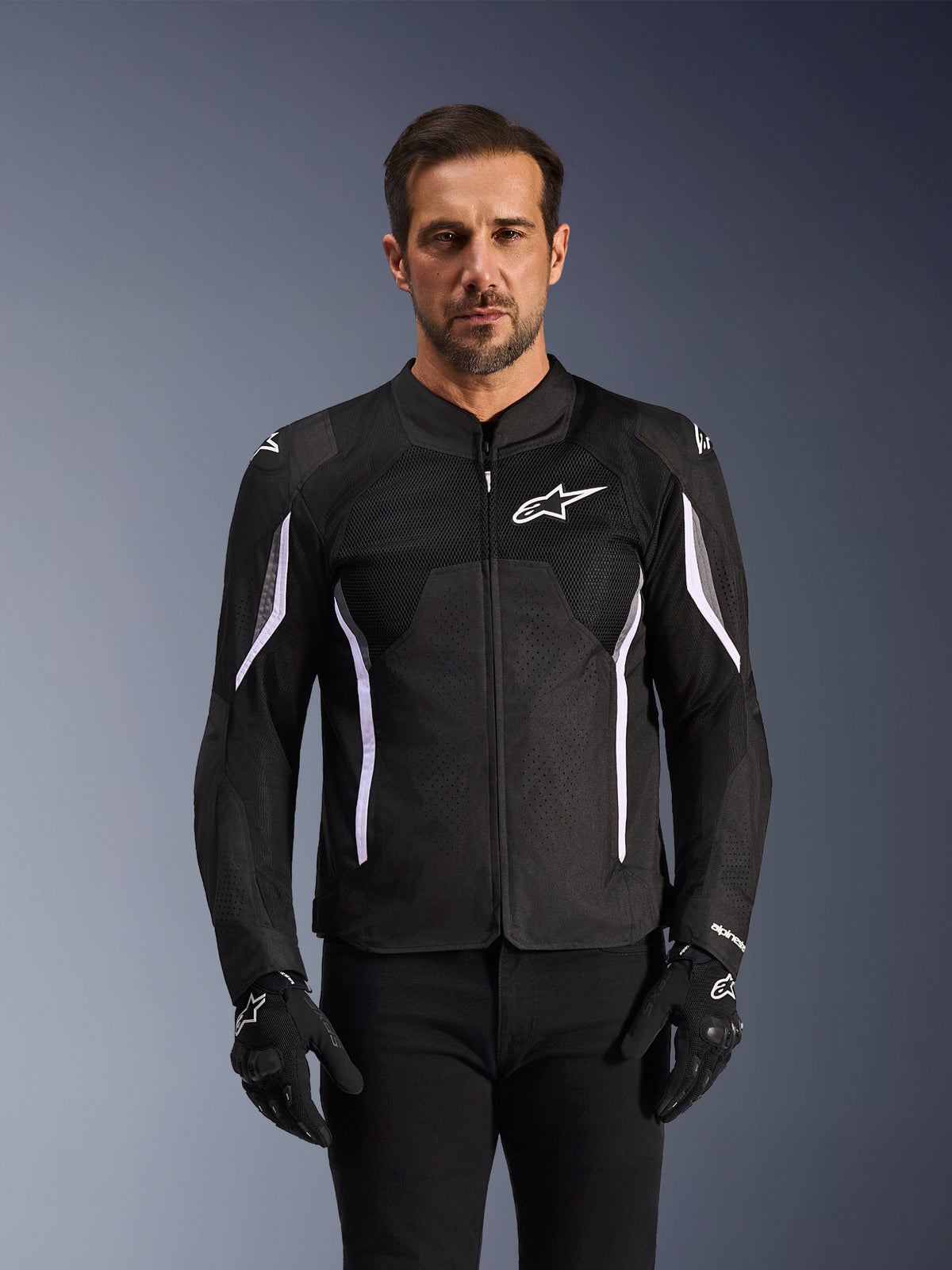
SMX Air Jacket














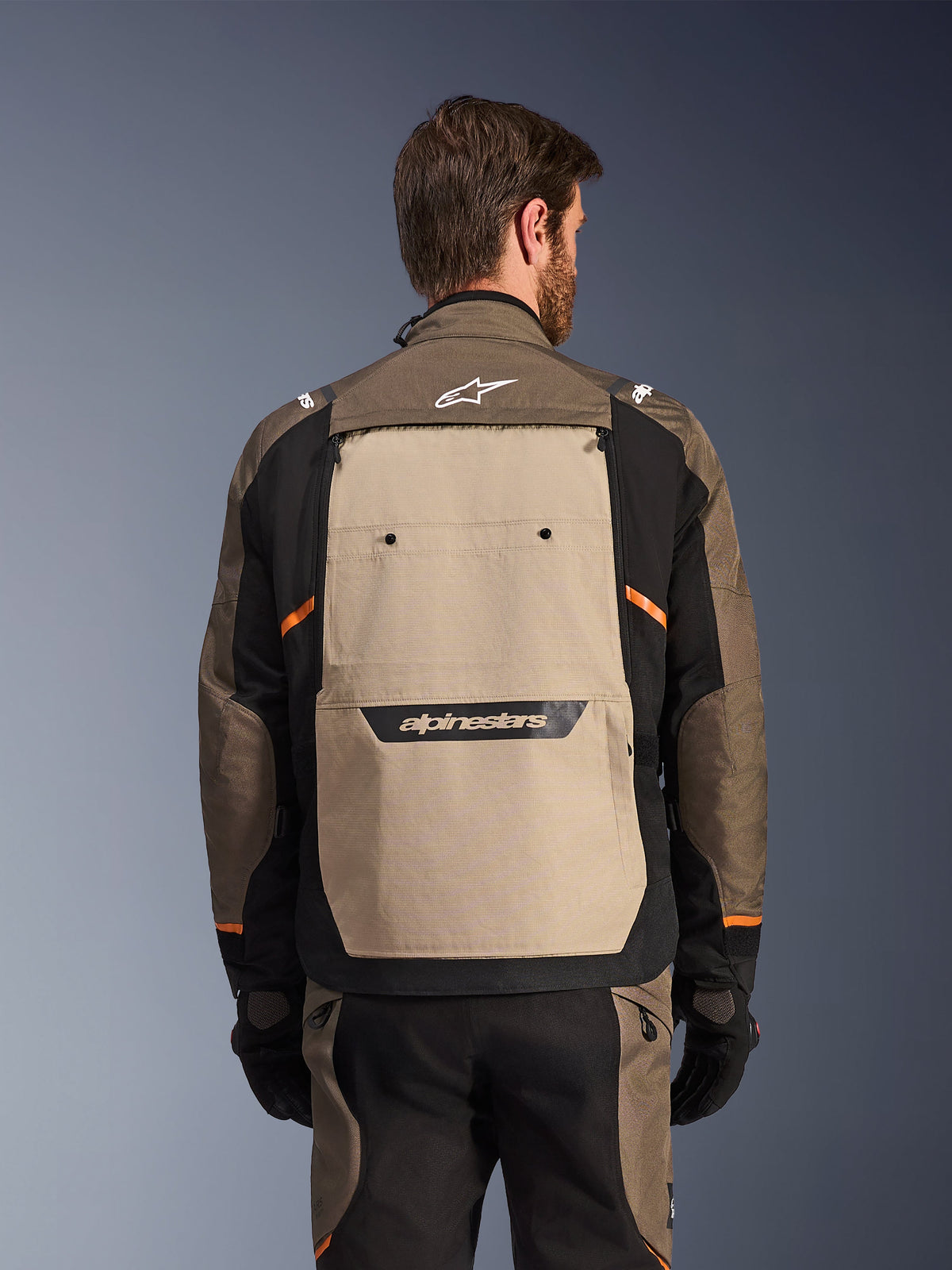


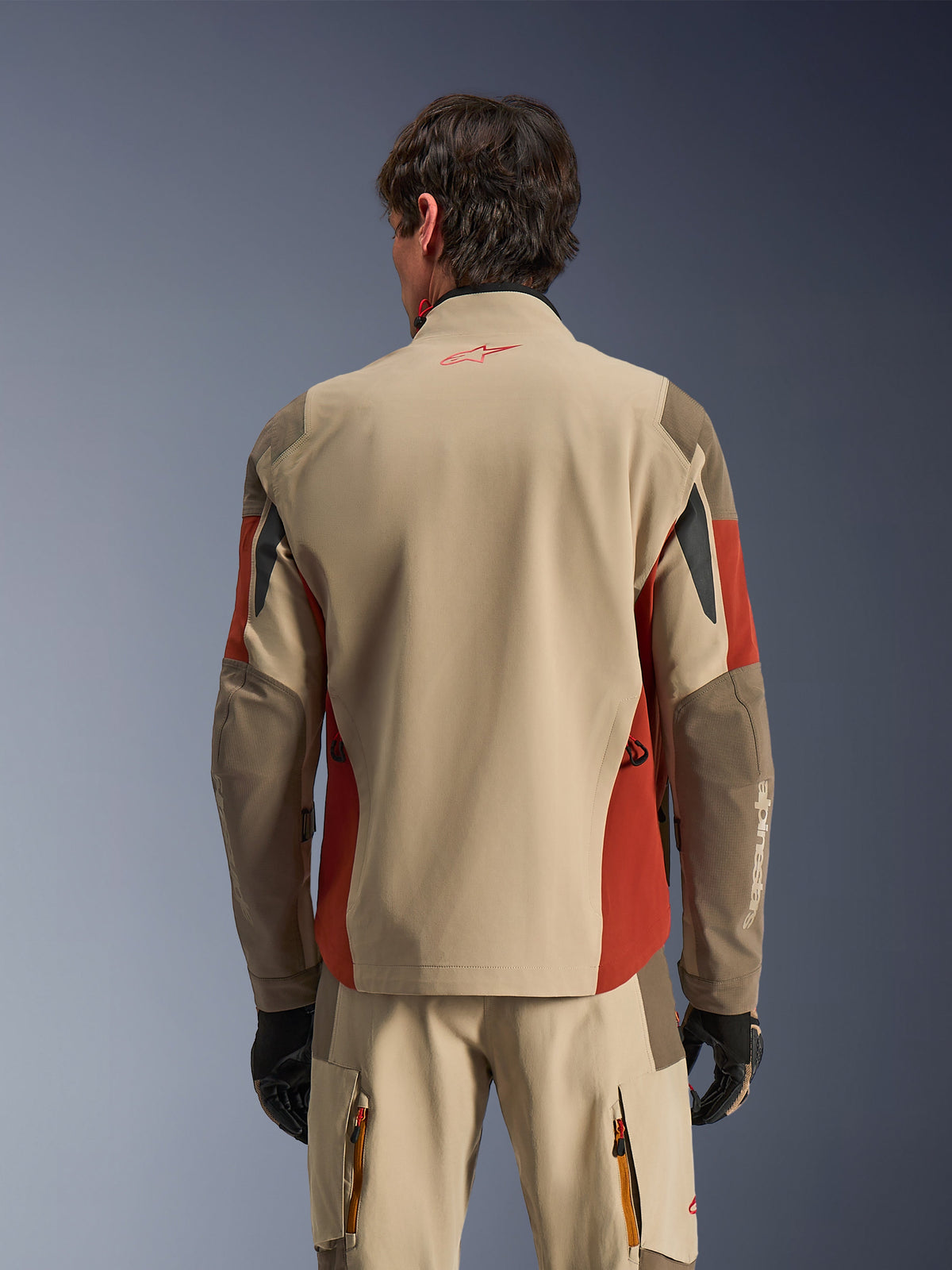

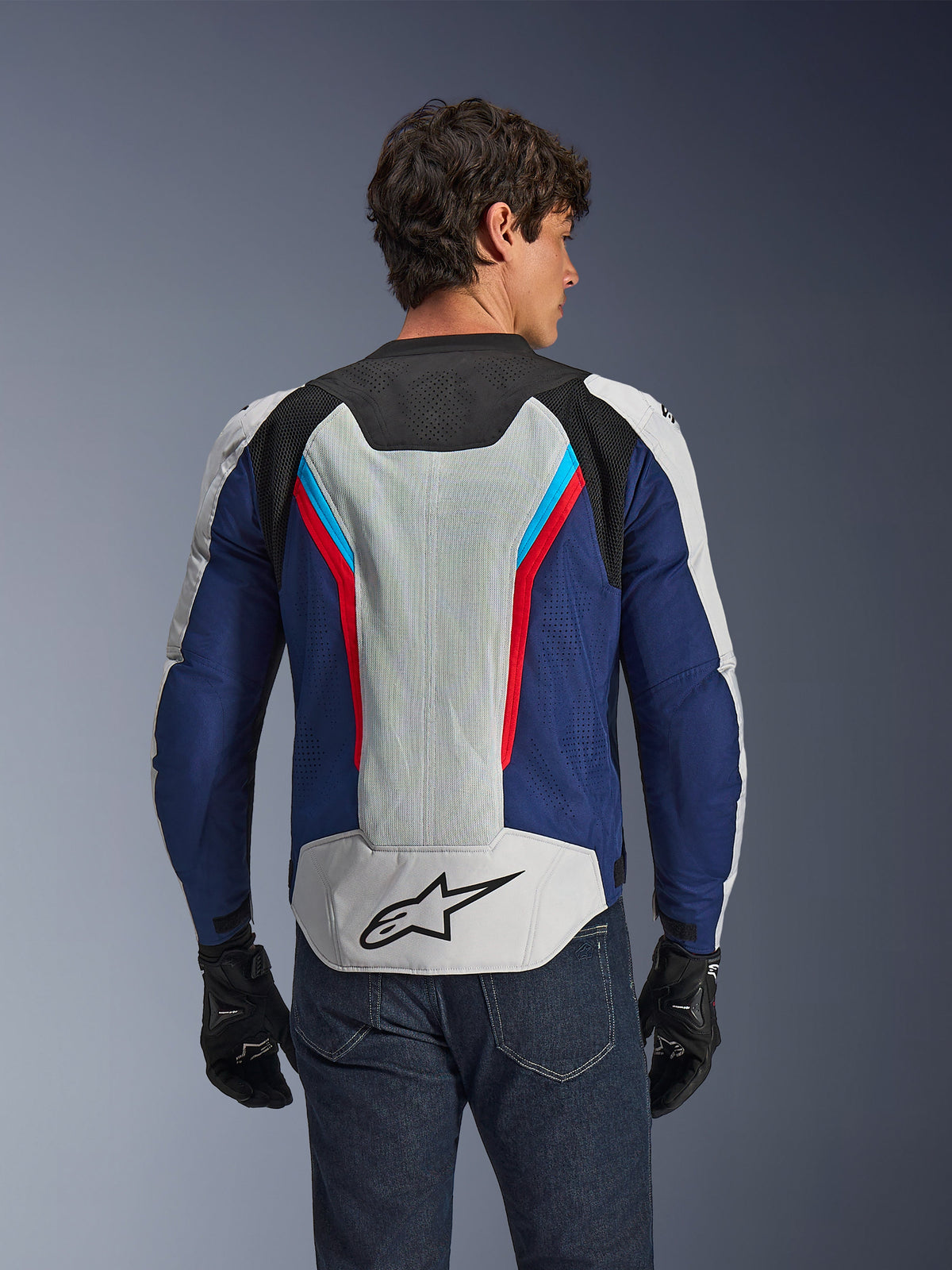


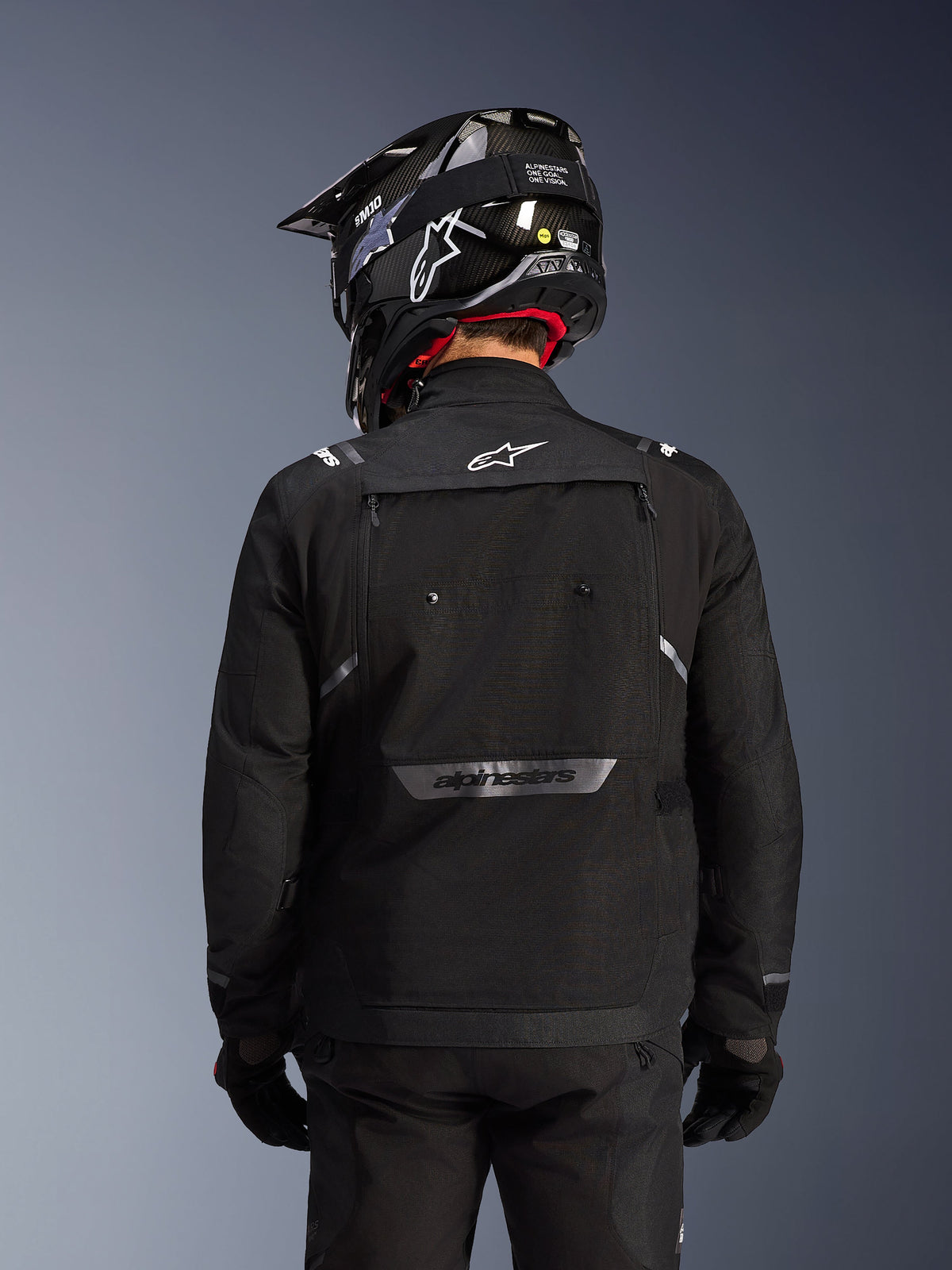





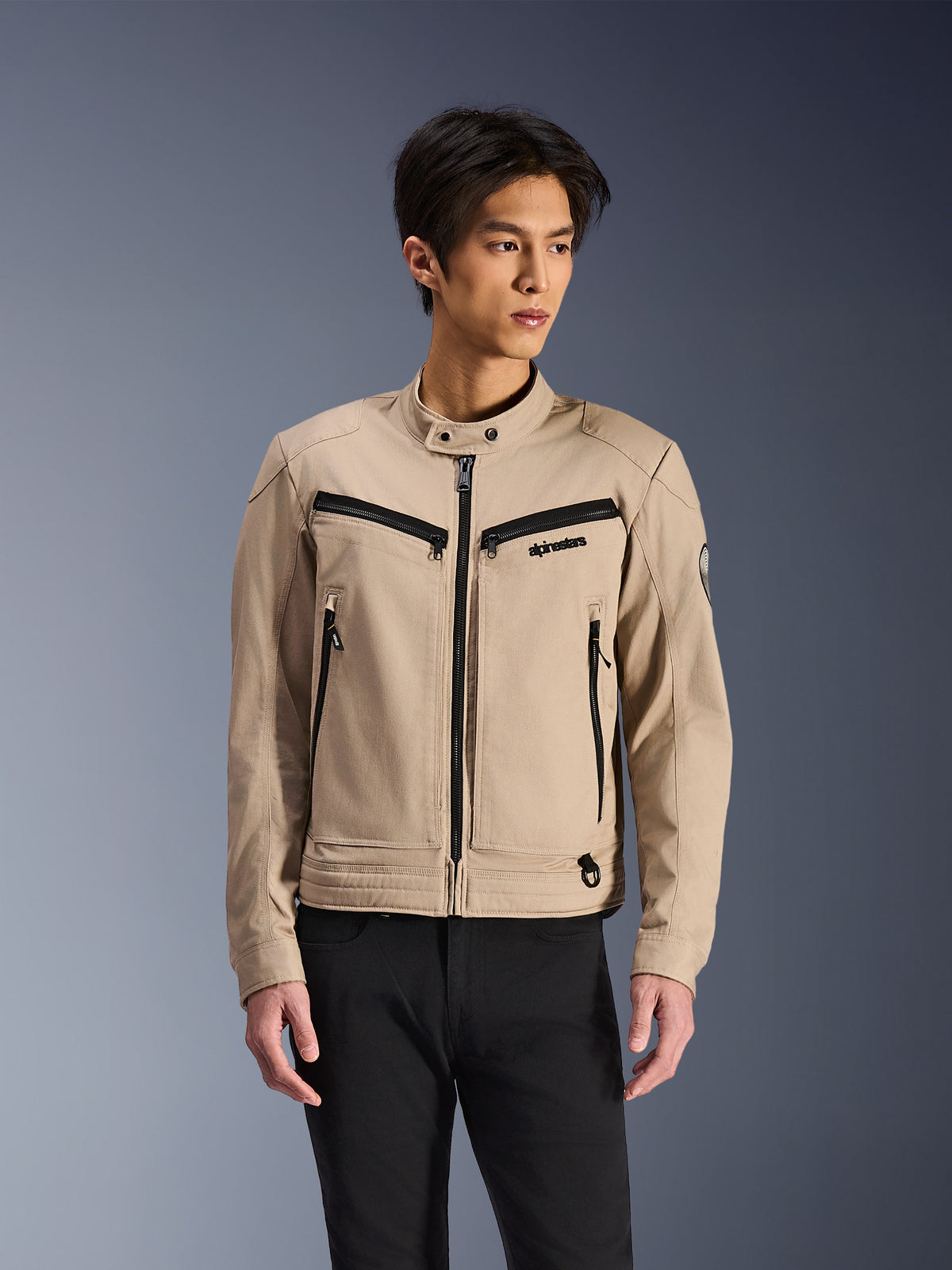
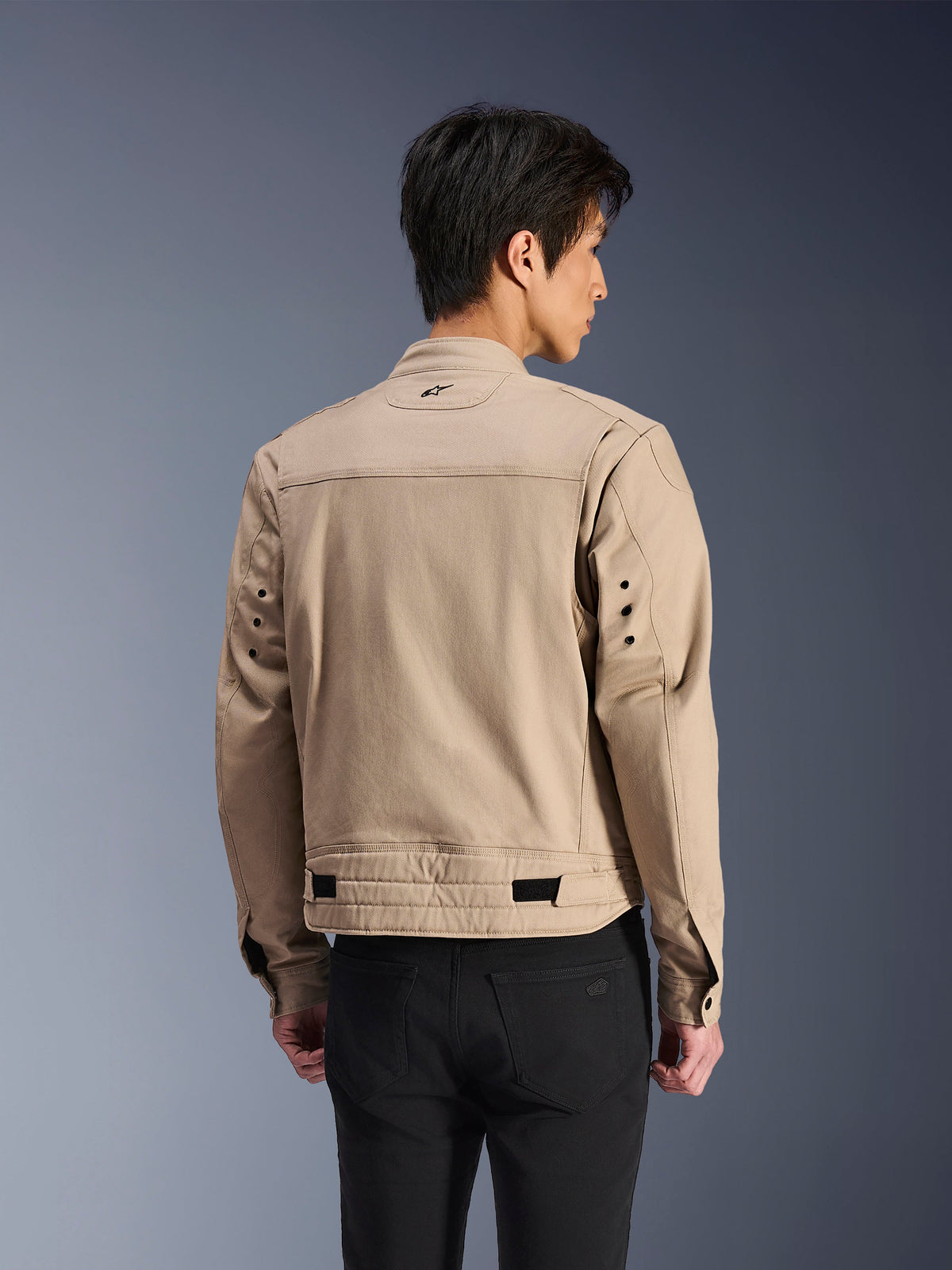


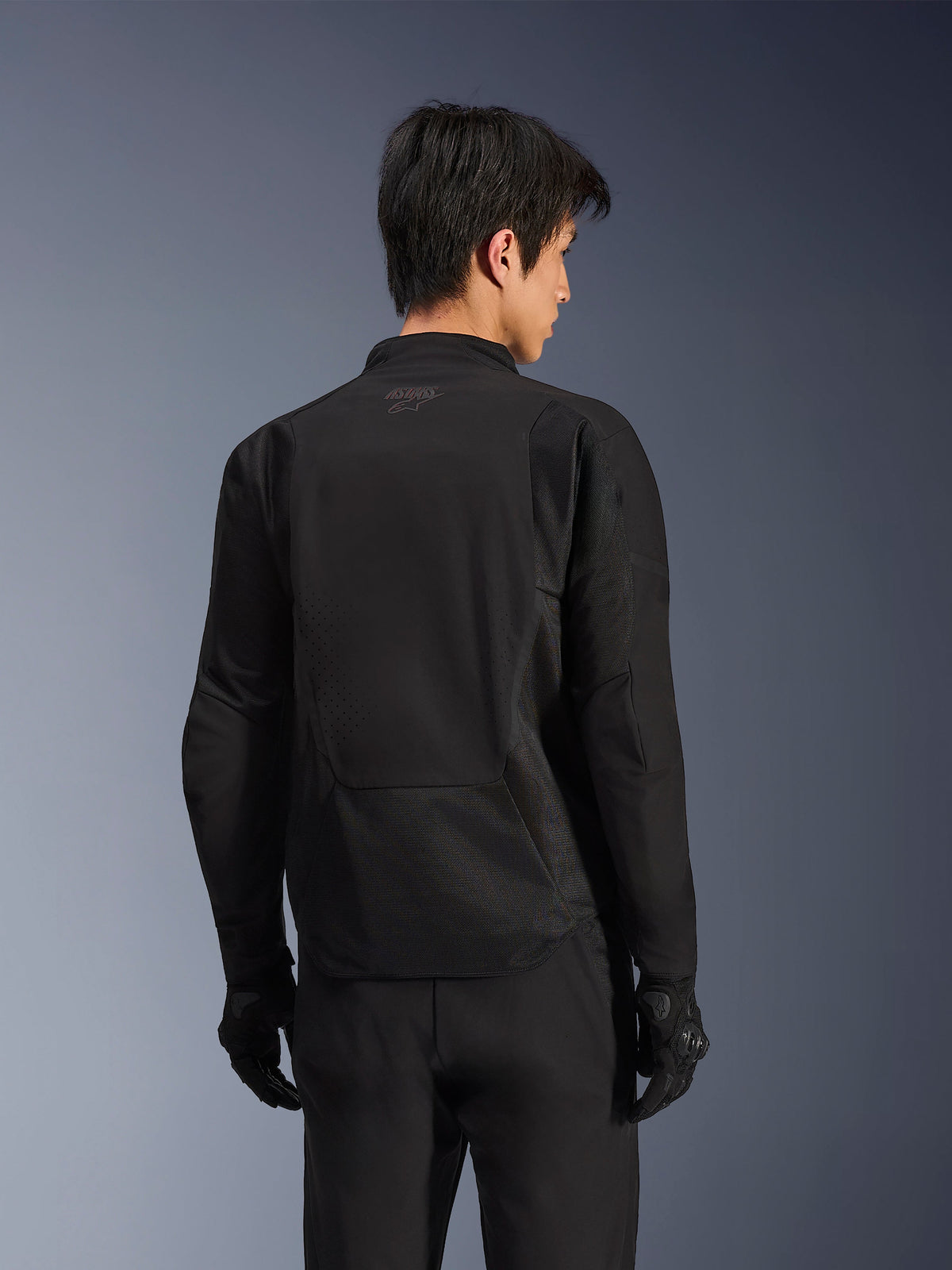


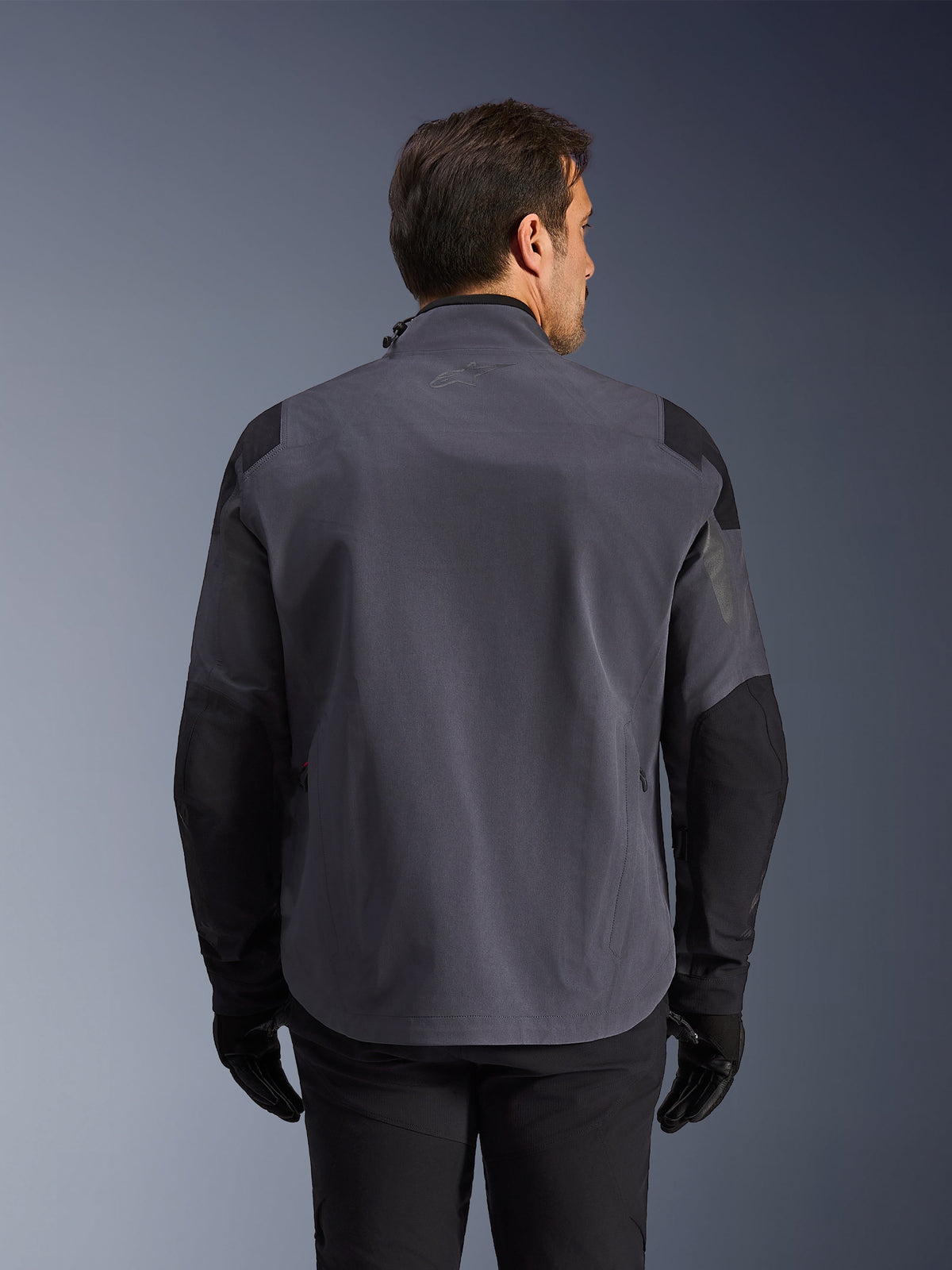








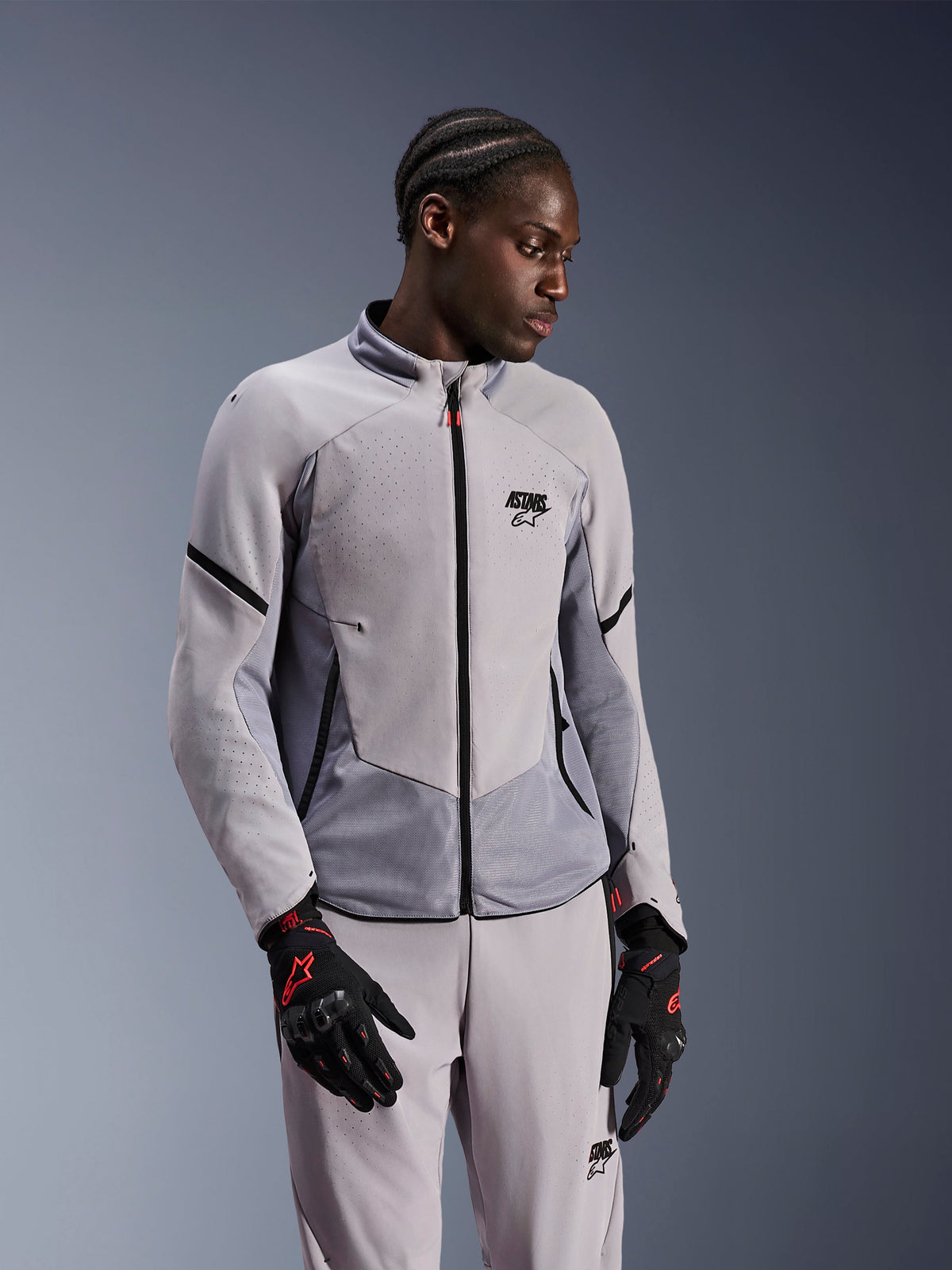


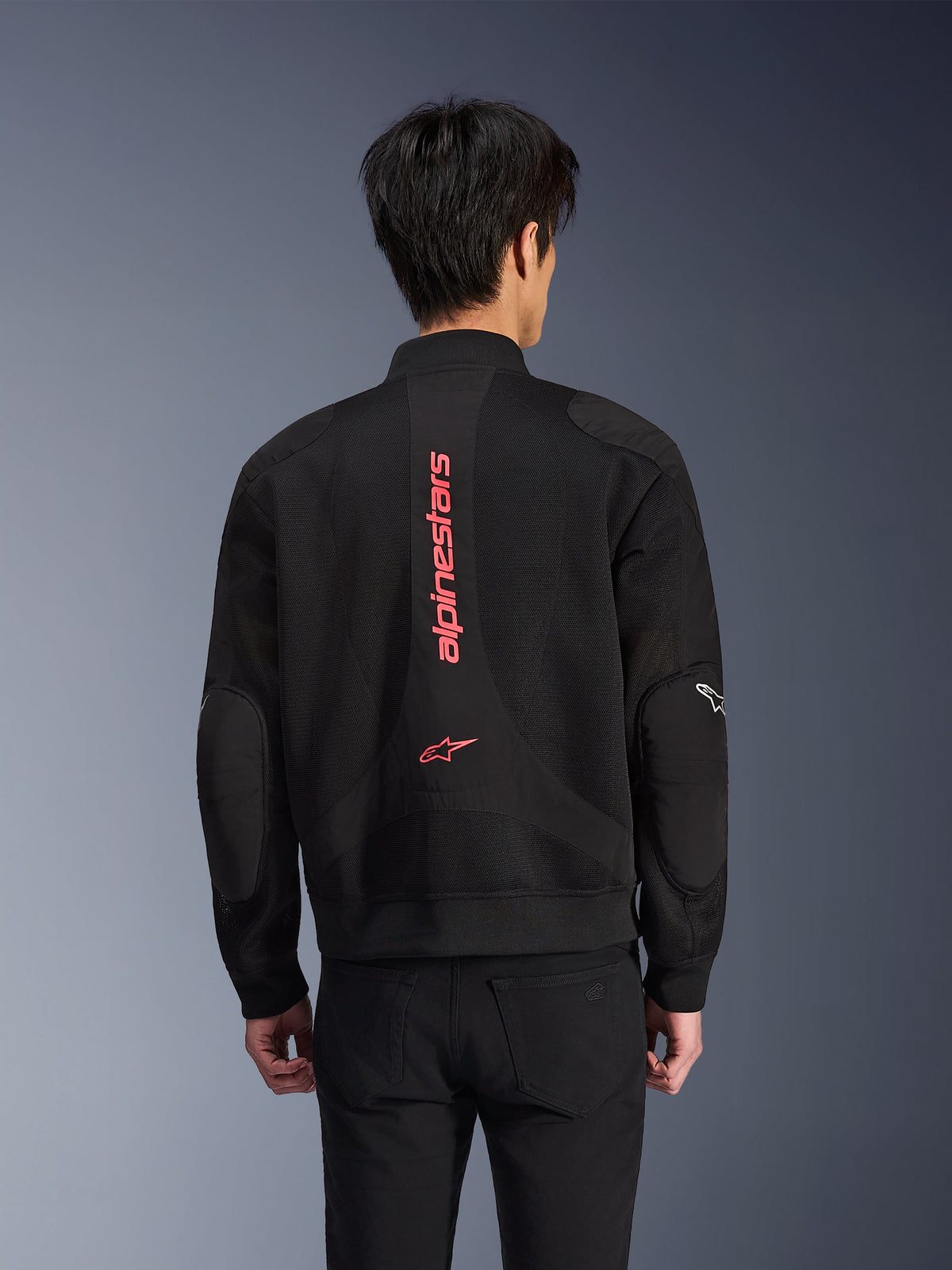

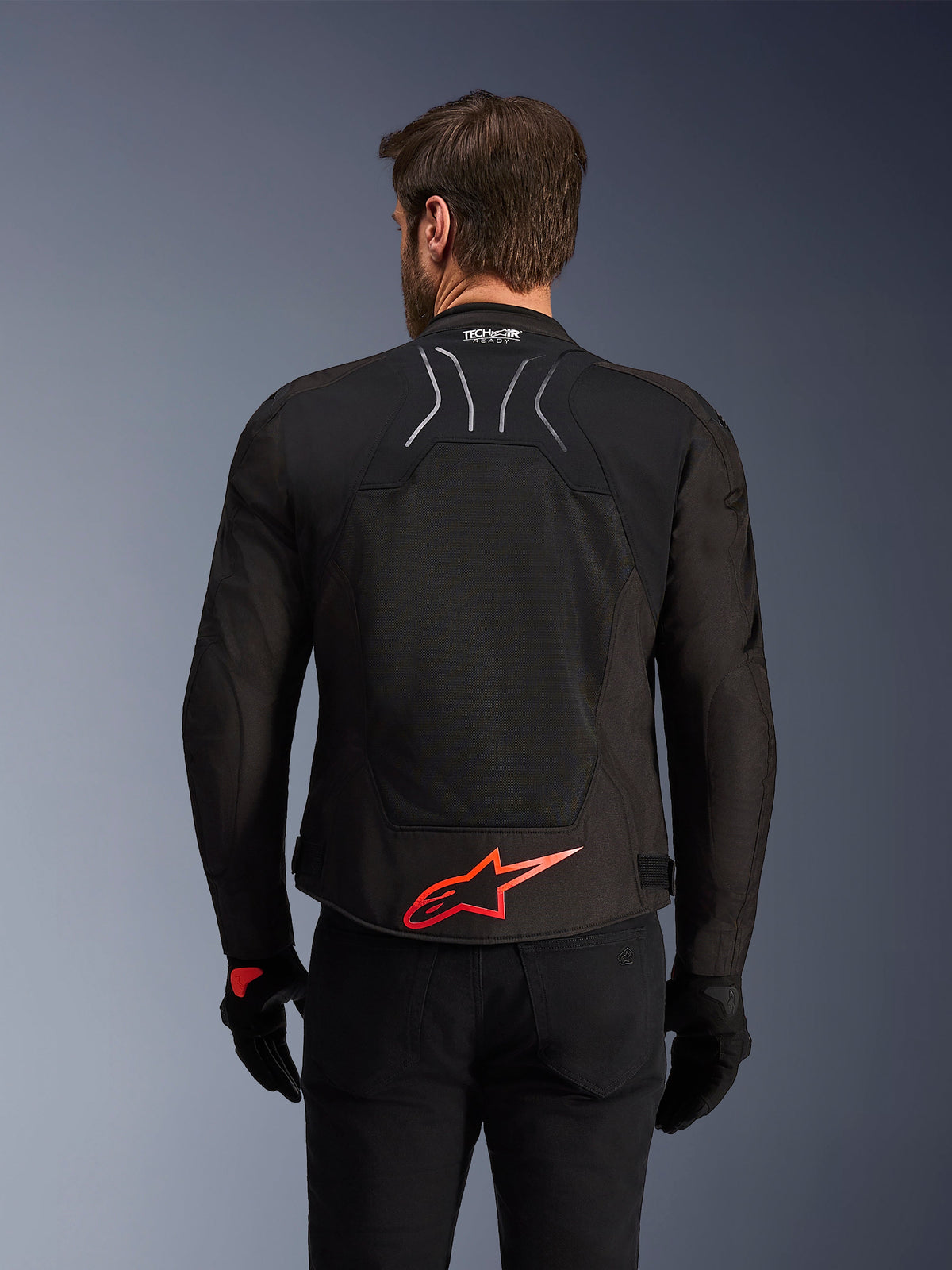
Frequently asked questions Hide FAQs
How should a men’s motorcycle jacket fit, and how do I choose the right size?
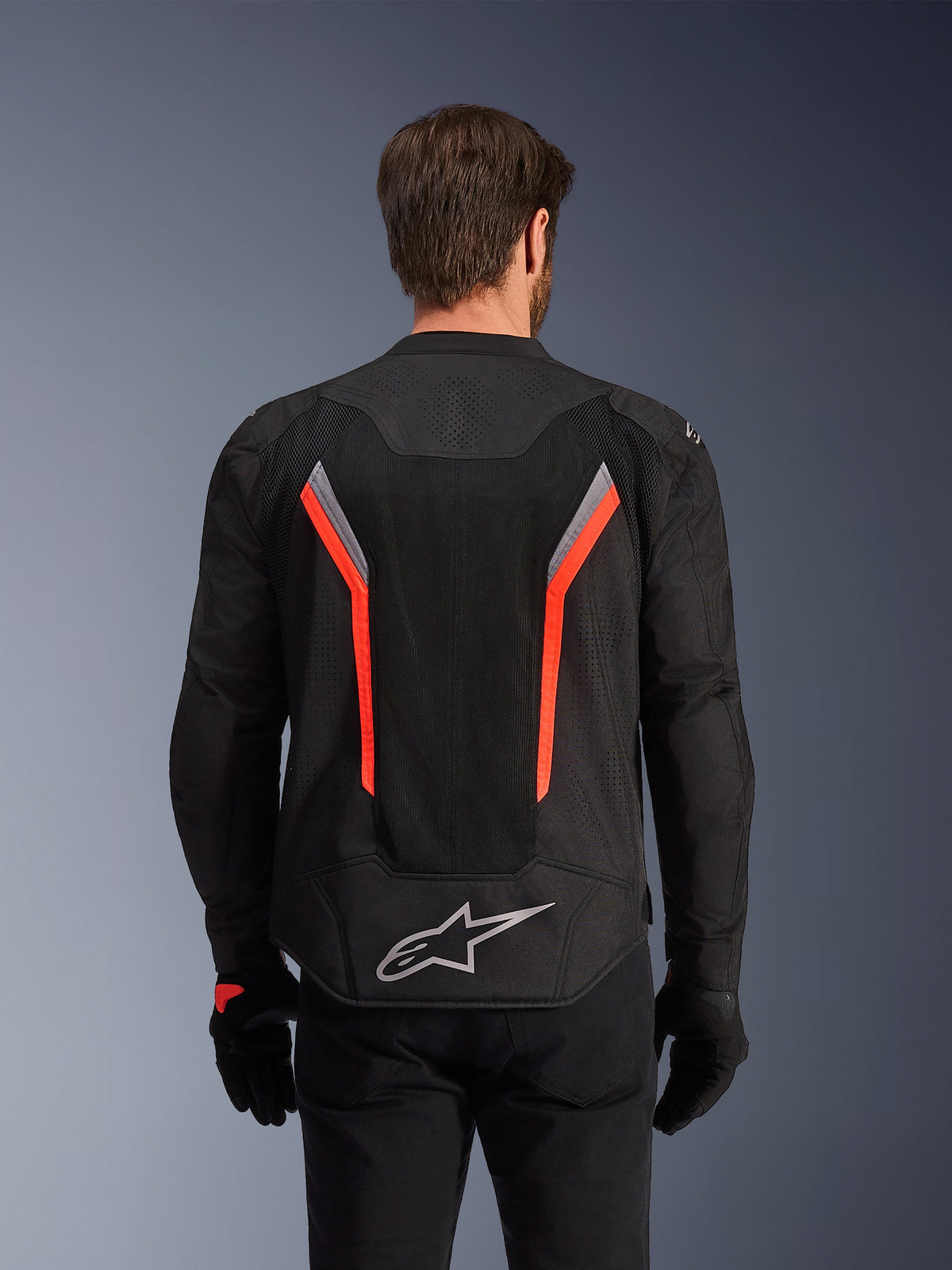
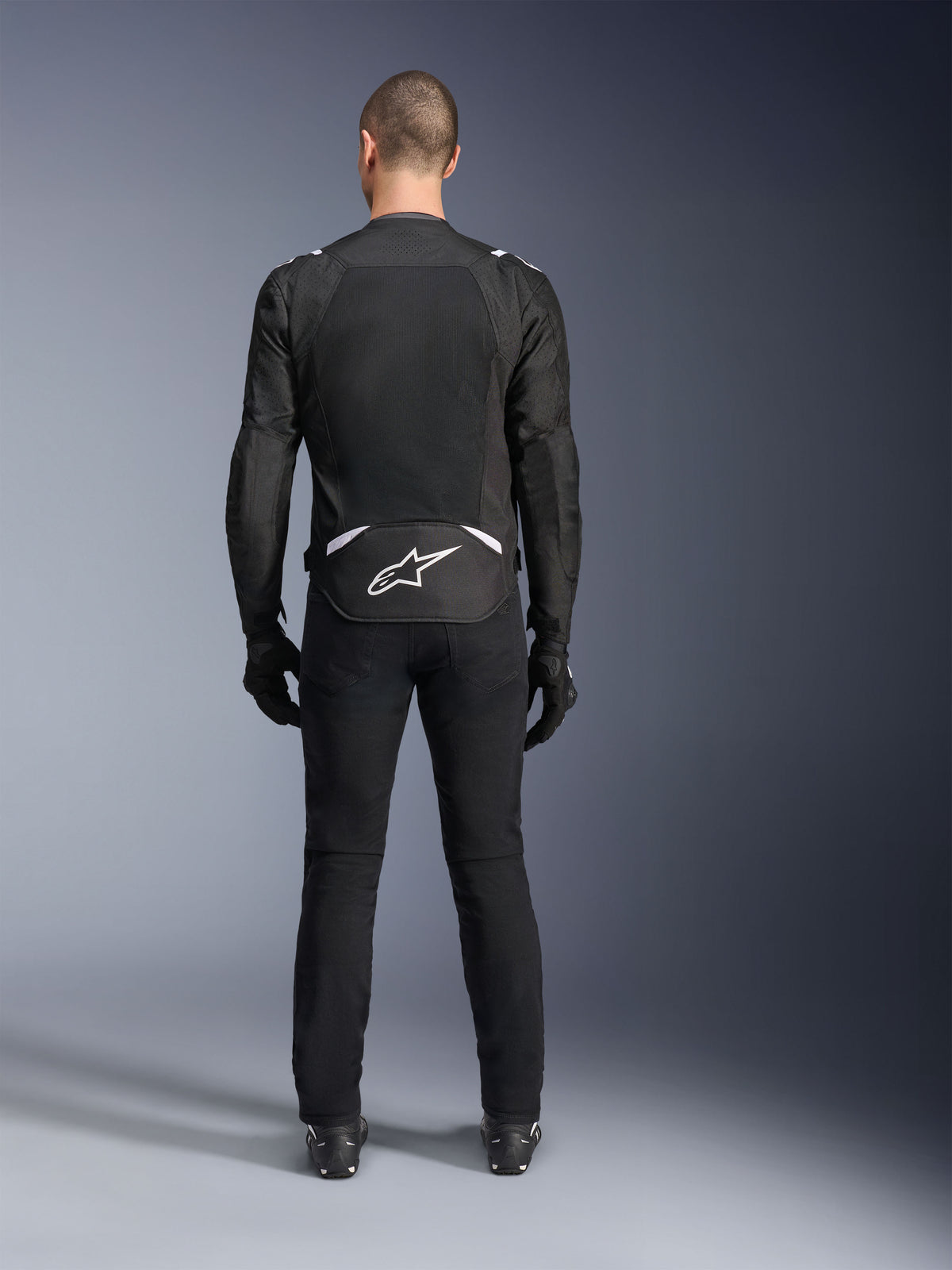
A motorcycle jacket should fit close enough to keep the shoulder and elbow armor stable, without restricting movement on the bike. Measure your chest and waist, then compare your measurements with the size chart on the relevant product page. In a riding position, the jacket should allow full reach to the bars, keep the protectors centered, and place the cuffs near the wrist.
If you plan to wear base layers, a back protector, chest inserts, or a Tech-Air® airbag system, allow the extra room required for that setup. Leather jackets usually fit closer and break in over time, while textile and touring styles often offer a slightly more relaxed fit and more adjustment range.
Should I choose a leather or textile motorcycle jacket?
The right choice depends on your riding style, climate, and preferred fit. Leather is typically chosen for sport riding and a closer, more abrasion-focused feel. Textile jackets generally offer more versatility for commuting, touring, airflow management, and wet-weather use.
| Construction | Best For | Typical Strengths |
|---|---|---|
| Leather | Sport and aggressive road riding | Close fit, strong abrasion resistance, race-inspired feel |
| Textile / Mesh | Commuting, touring, warm-weather riding | Lighter weight, ventilation options, weather versatility |
If you want to compare category options, browse our leather motorcycle jackets, textile motorcycle jackets, and broader road jackets.
Are men’s motorcycle jackets CE certified, and what do EN 17092 ratings mean?
Many motorcycle jackets are certified as protective garments under EN 17092. This standard classifies the garment as a whole, including abrasion and seam performance. In general, AAA is the highest class in this standard, AA balances protection and mobility for a wide range of road use, and A is commonly associated with lighter urban-oriented riding gear.
Armor is rated separately from the jacket. Shoulder and elbow protectors typically reference EN 1621-1, back protectors EN 1621-2, and chest protectors EN 1621-3 where applicable. Always check the product page and garment labeling for the exact certification and protection level.
Are these jackets compatible with Tech-Air airbag systems and additional armor inserts?
Many jackets in this category are designed as Tech-Air® Compatible or Tech-Air® Ready, meaning their patterning and internal volume are built to work with specific Alpinestars airbag systems. Compatibility is not universal, so it is important to confirm the exact pairing before purchase.
Many jackets also include or accept shoulder, elbow, back, and optional chest protection, depending on the design. To verify airbag pairing, use the Tech-Air® compatibility checker or browse Tech-Air® systems. For non-airbag upgrades, see motorcycle protectors.
How do I wash and care for a leather or textile motorcycle jacket?
Always follow the care label first. As a general rule, remove armor, liners, and any electronic components before cleaning, and close zippers and fasteners. Textile jackets can usually be cleaned with cold water and mild detergent only when the care label allows it. Avoid bleach, fabric softener, and high heat, since they can affect technical fabrics, coatings, and waterproof treatments.
Leather jackets should not be machine washed. Wipe them with a damp cloth, use a suitable leather cleaner when needed, and let them dry naturally away from direct heat or sunlight. After cleaning, make sure all protective components are reinstalled correctly before riding.