
19 results
-
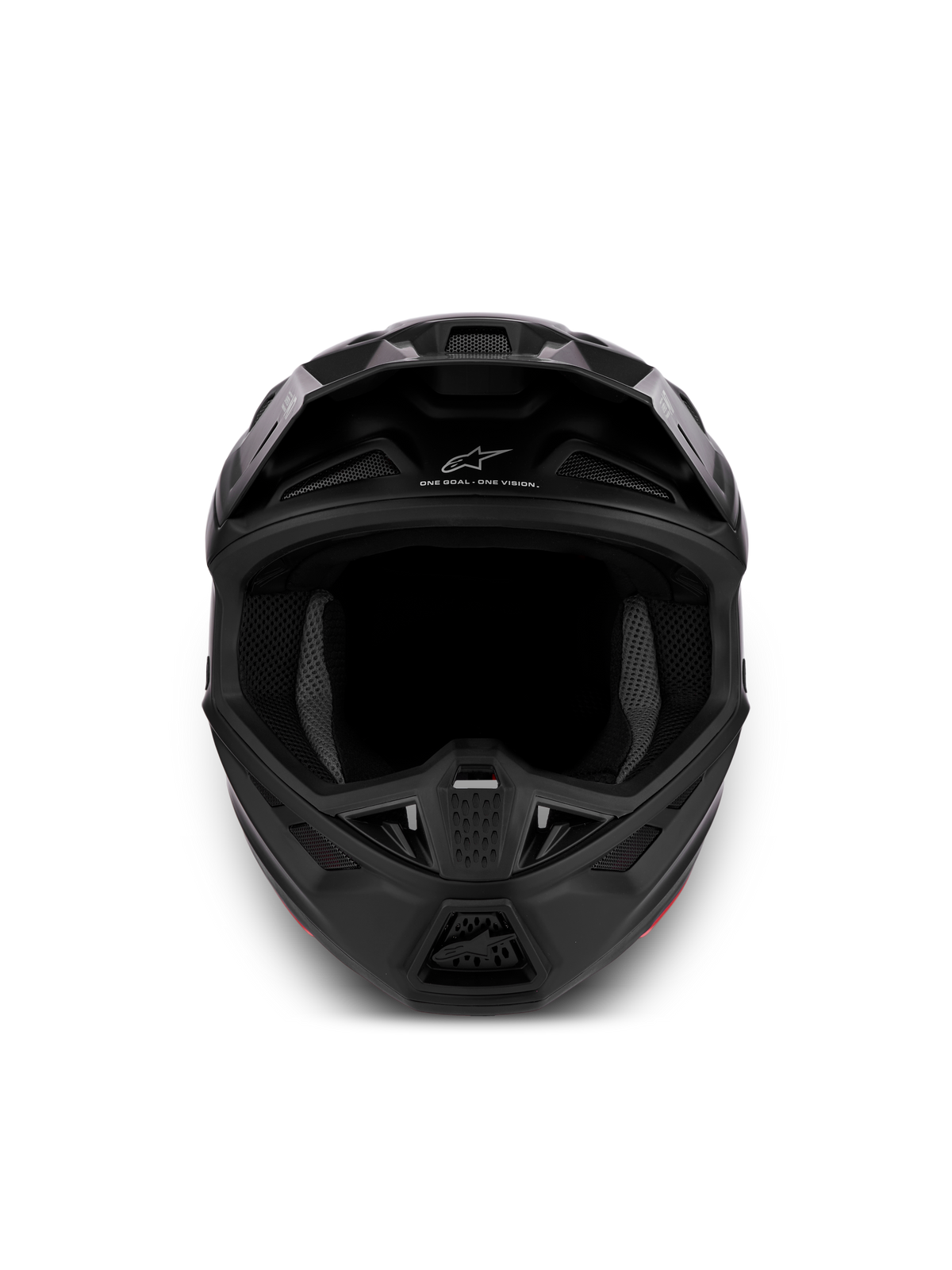
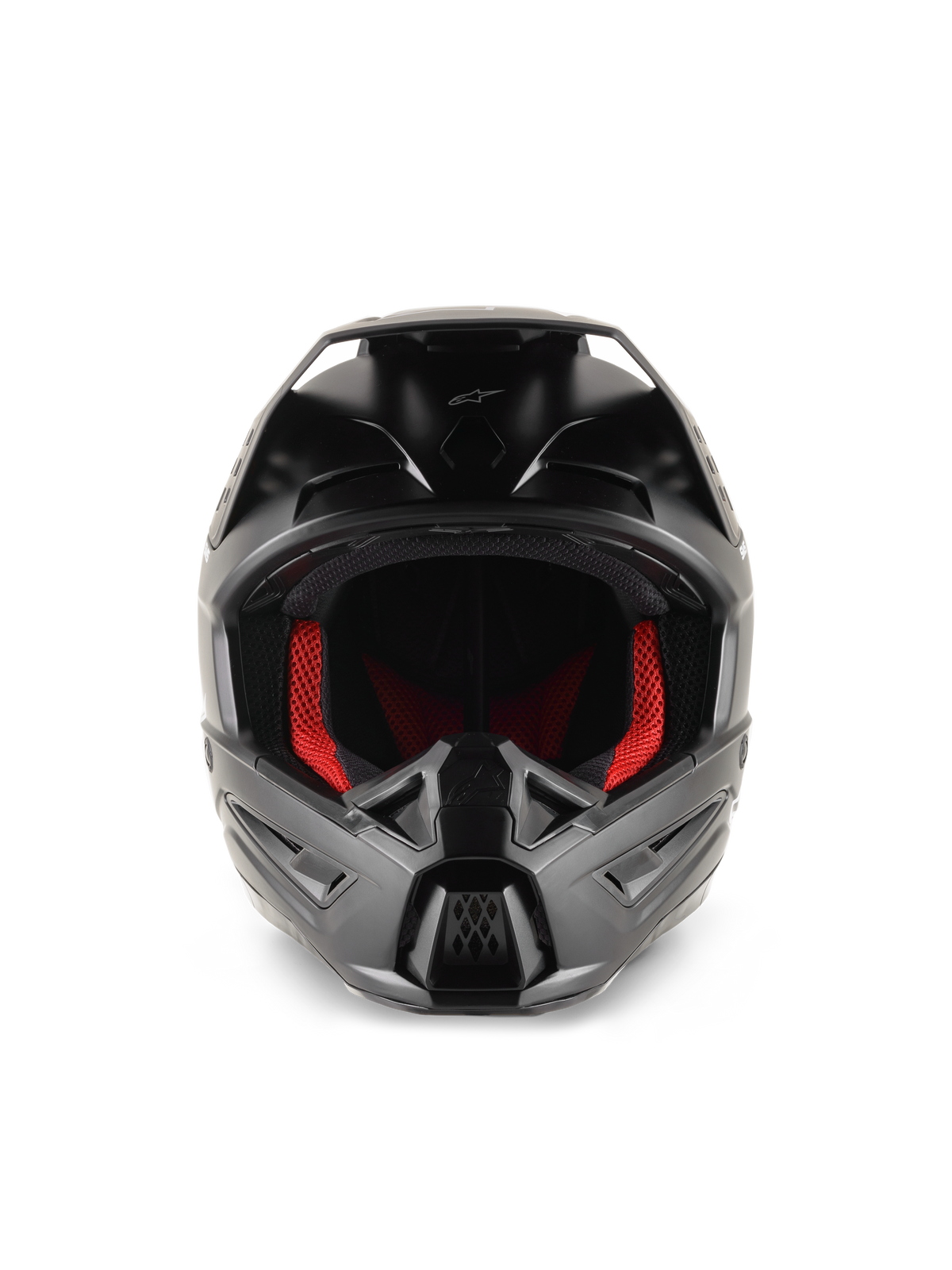
S-M7 Solid Helmet ECE 22.06 -
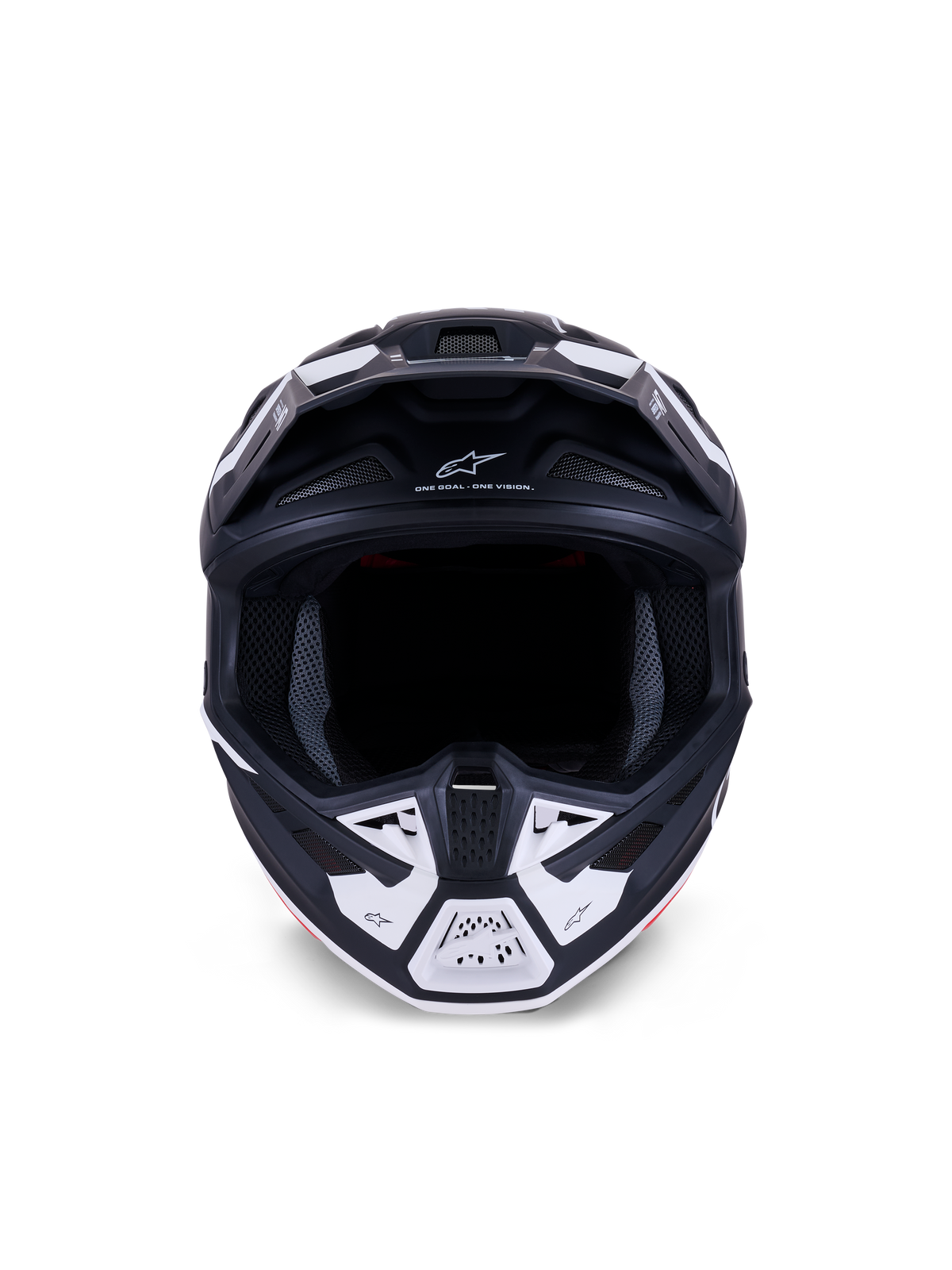
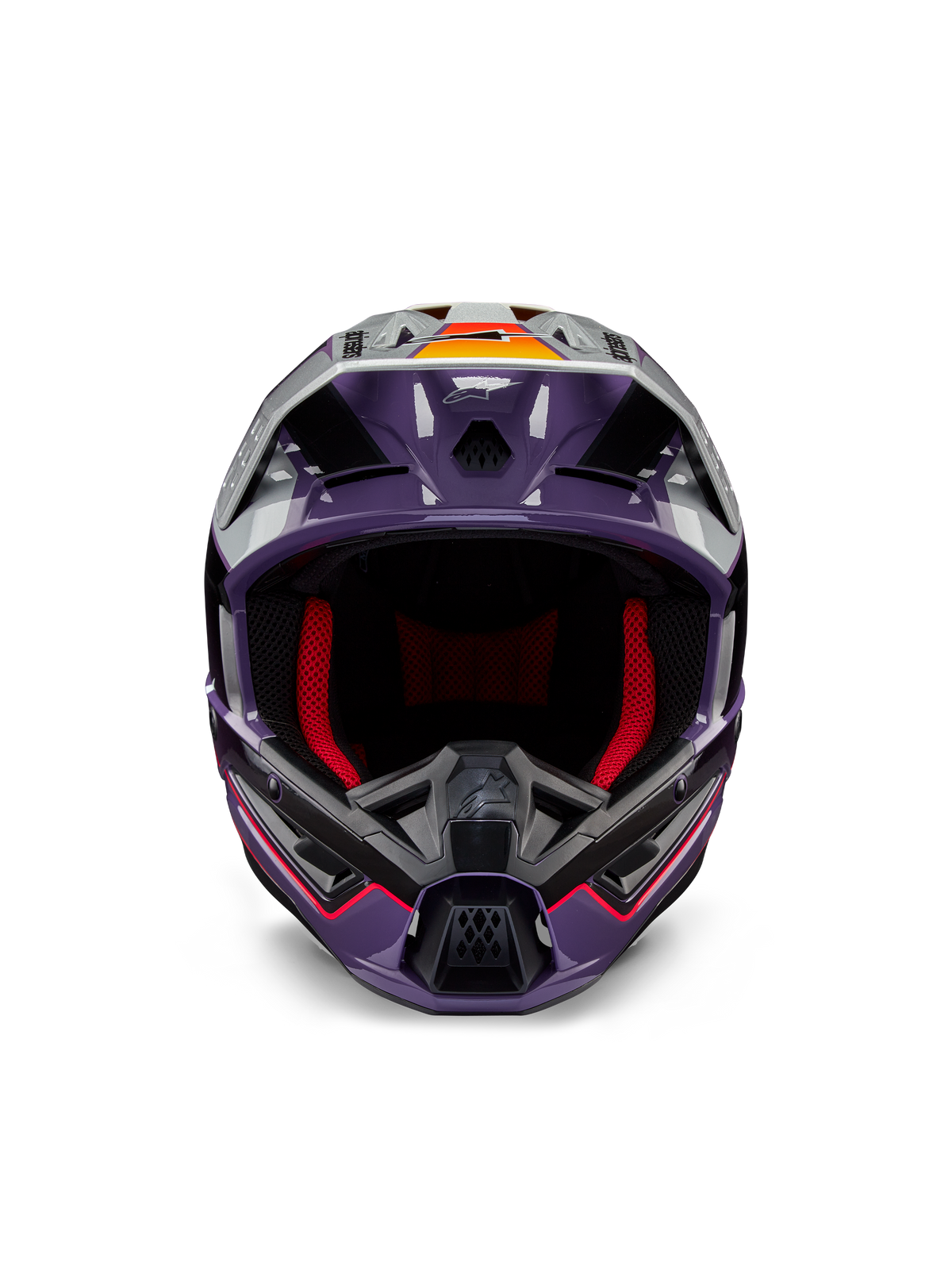
S-M7 Dasher Helmet ECE 22.06 -
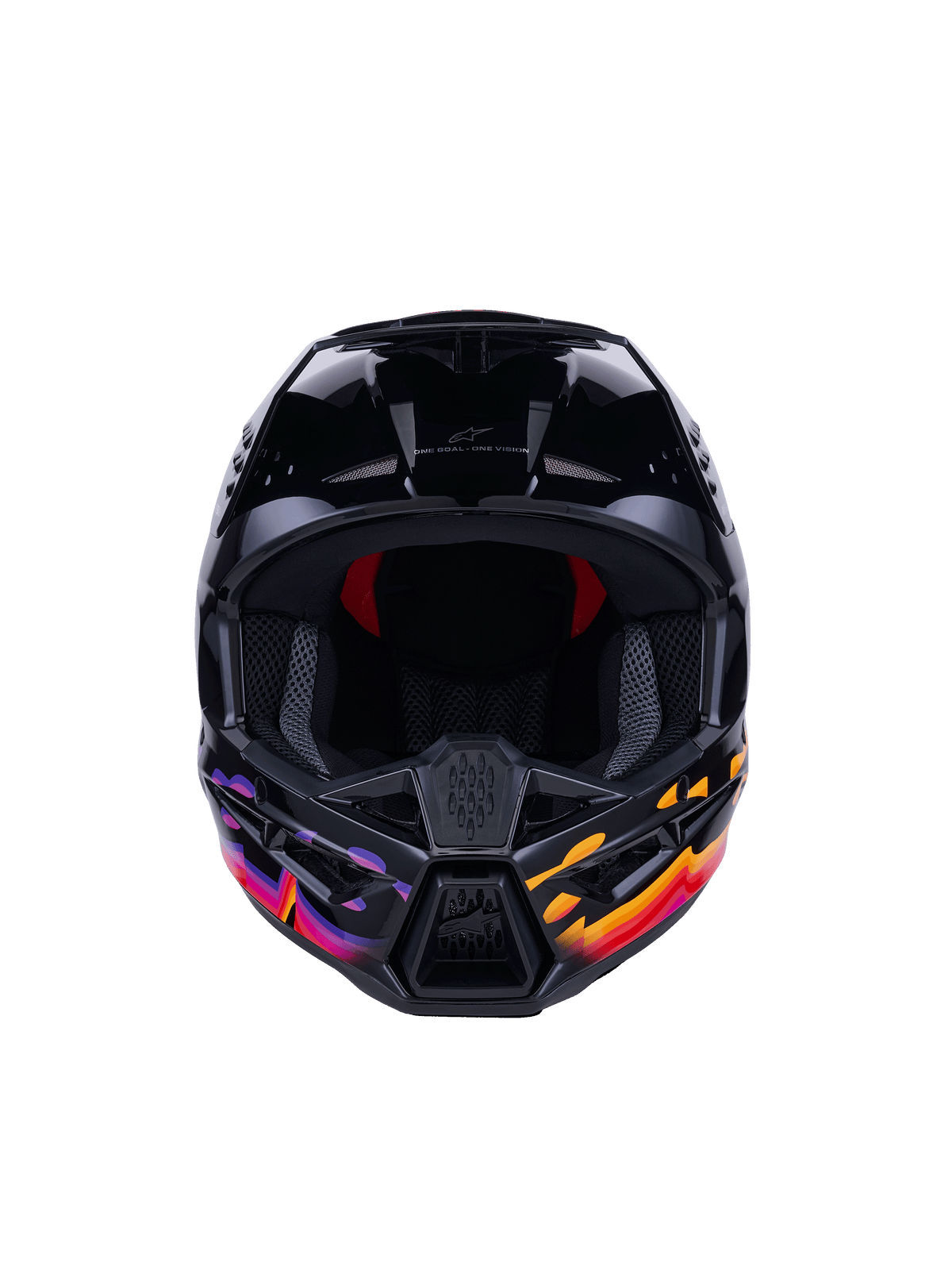
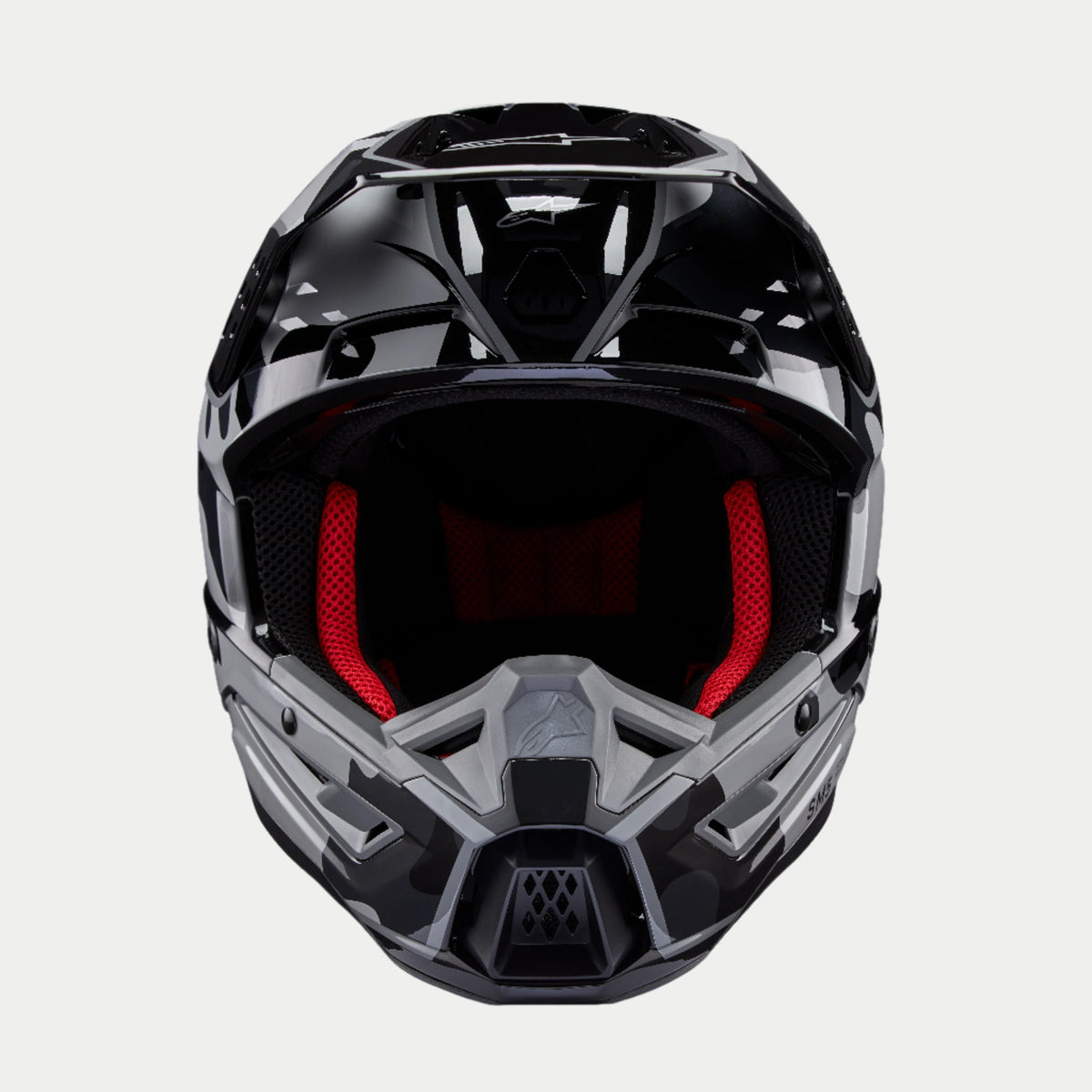
S-M3 Force OCD Helmet ECE 22.06 -
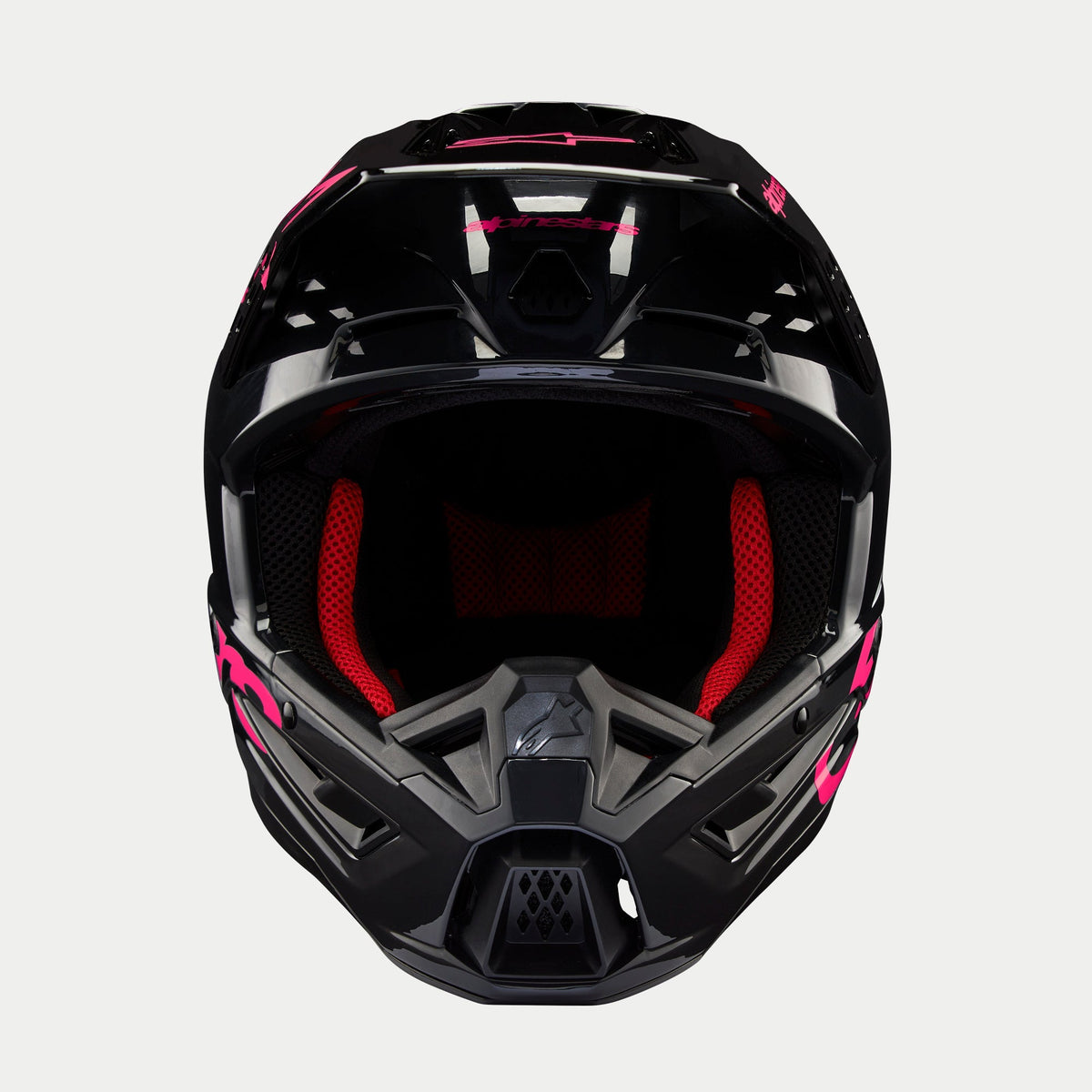
S-M3 Solid Helmet ECE 22.06 -
S-M7 Solid Helmet ECE 22.06 -
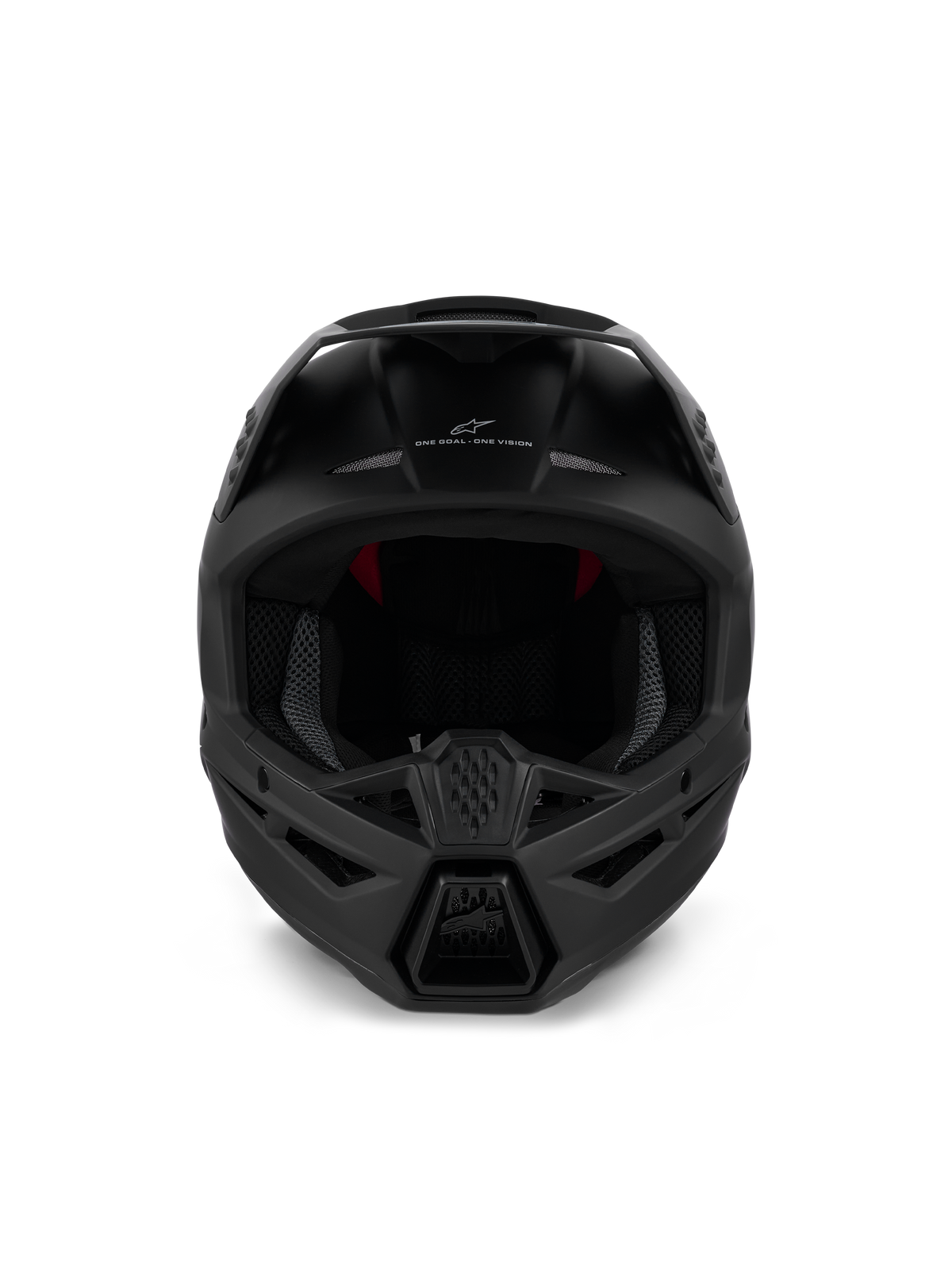
S-M3 Solid Helmet ECE 22.06 -
S-M3 Youth Solid Helmet ECE 22.06 -
S-M3 Youth Wurx Helmet ECE 22.06 -
Supertech M10 Solid Helmet ECE 22.06 -
Supertech M10 Flood Helmet ECE 22.06 -
Supertech M10 Fame Helmet ECE 22.06 -
Supertech M10 Ampress Helmet ECE 22.06 -
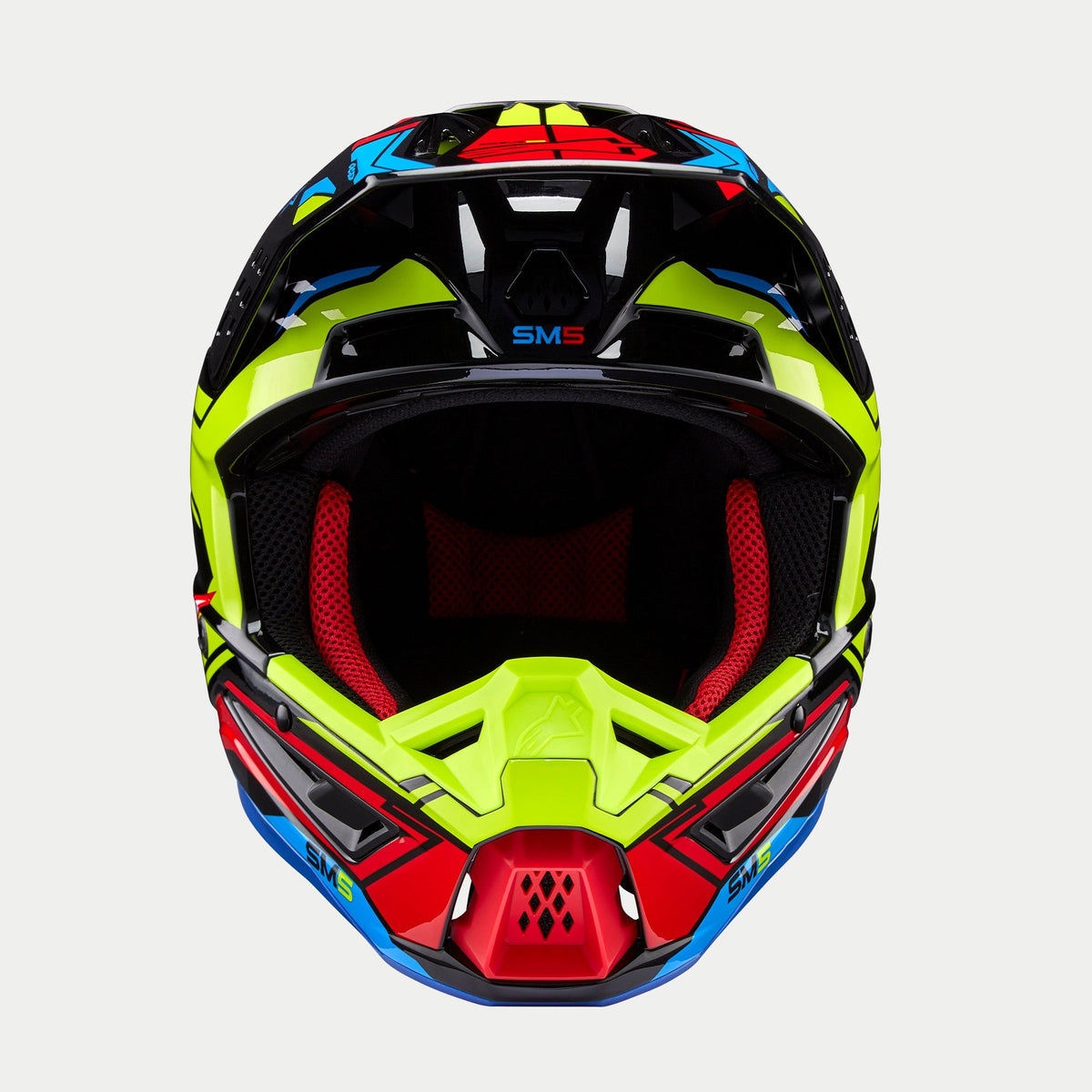
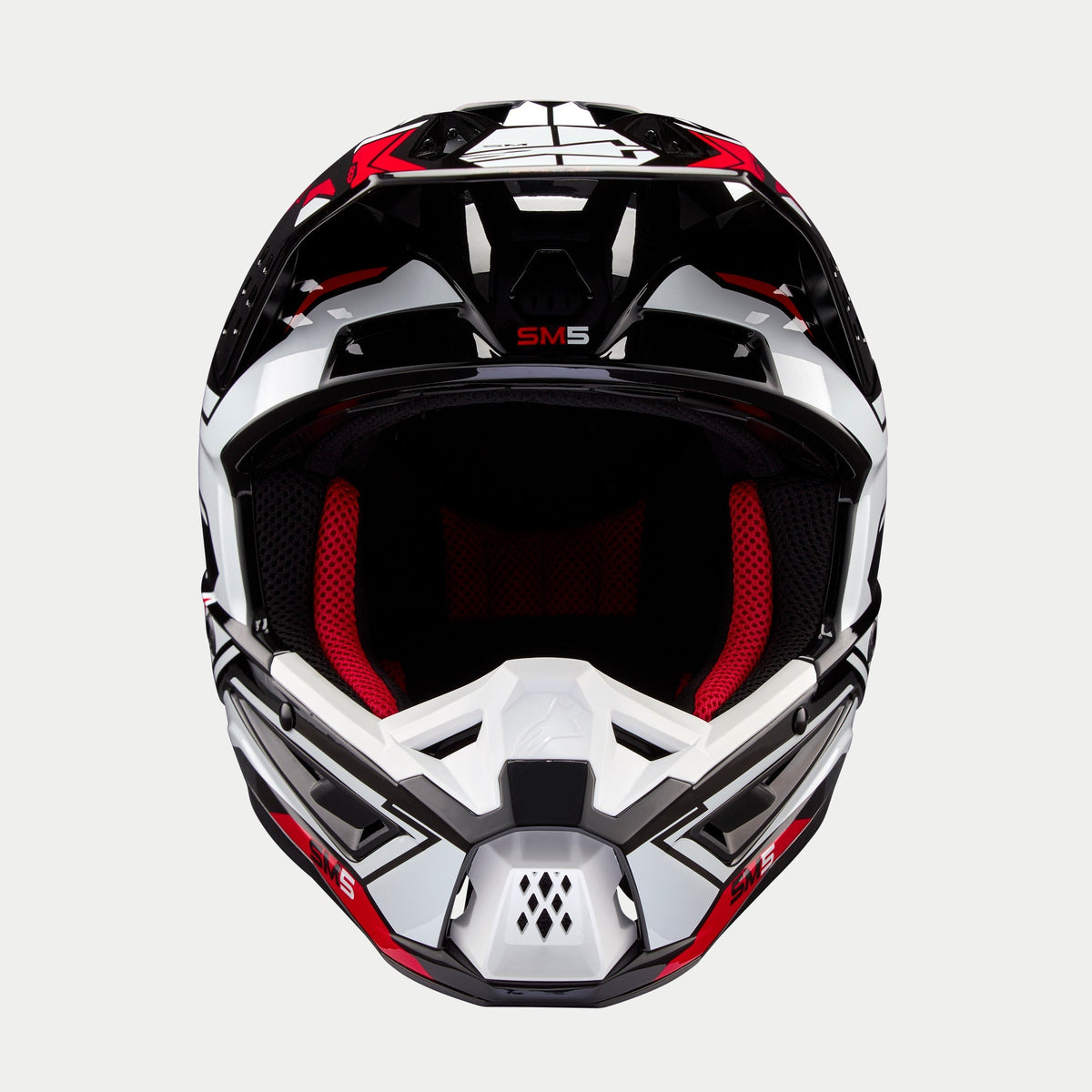
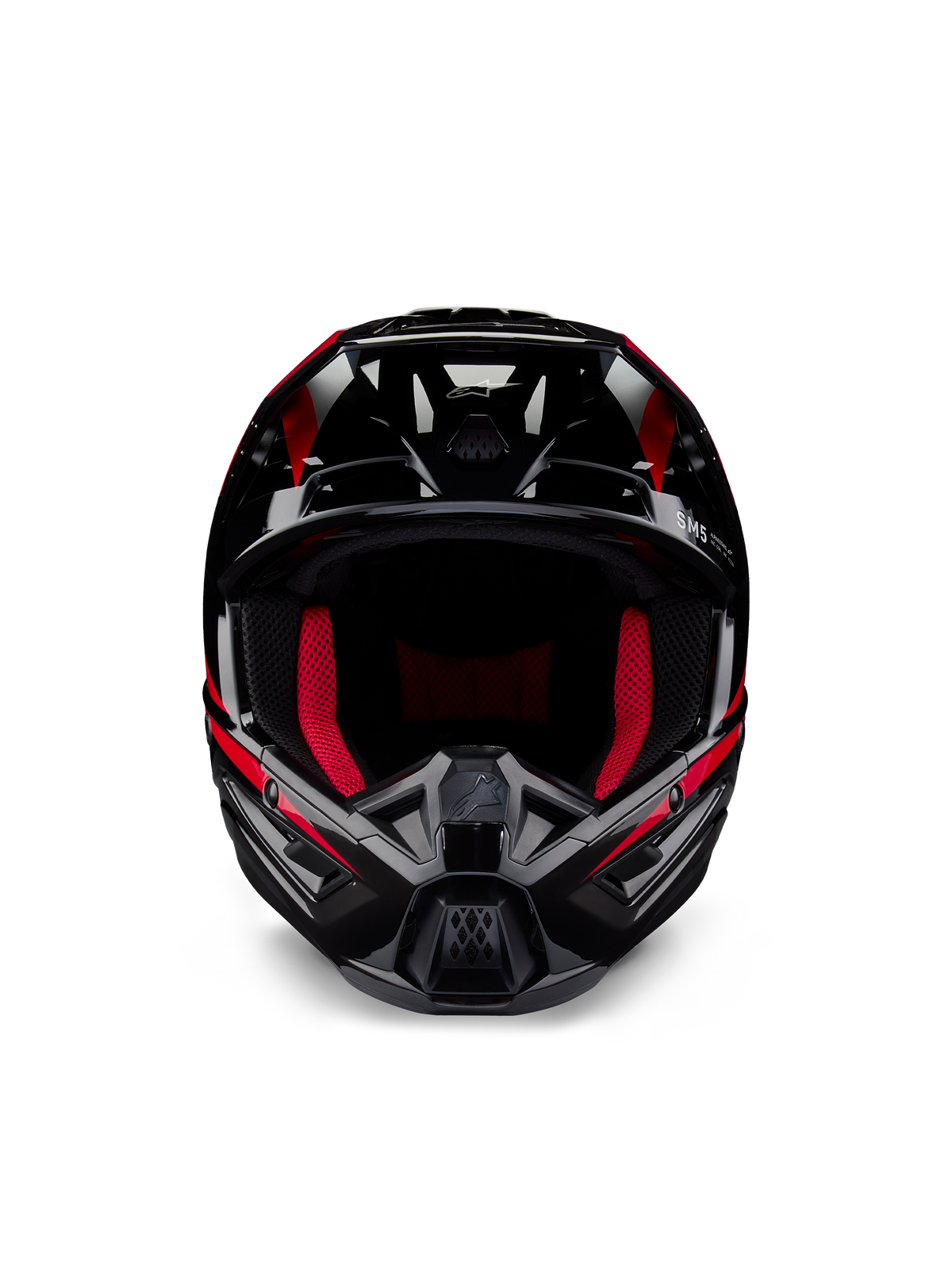
S-M5 Solid Helmet ECE 22.06 -
S-M5 Sail Helmet ECE 22.06 -
S-M5 Rover 2 Helmet ECE 22.06 -
S-M5 Corp Helmet ECE 22.06 -
S-M5 Action 2 Helmet ECE 22.06 -
S-M5 Action 2 Helmet ECE 22.06 -
Honda S-M5 Helmet ECE 22.06









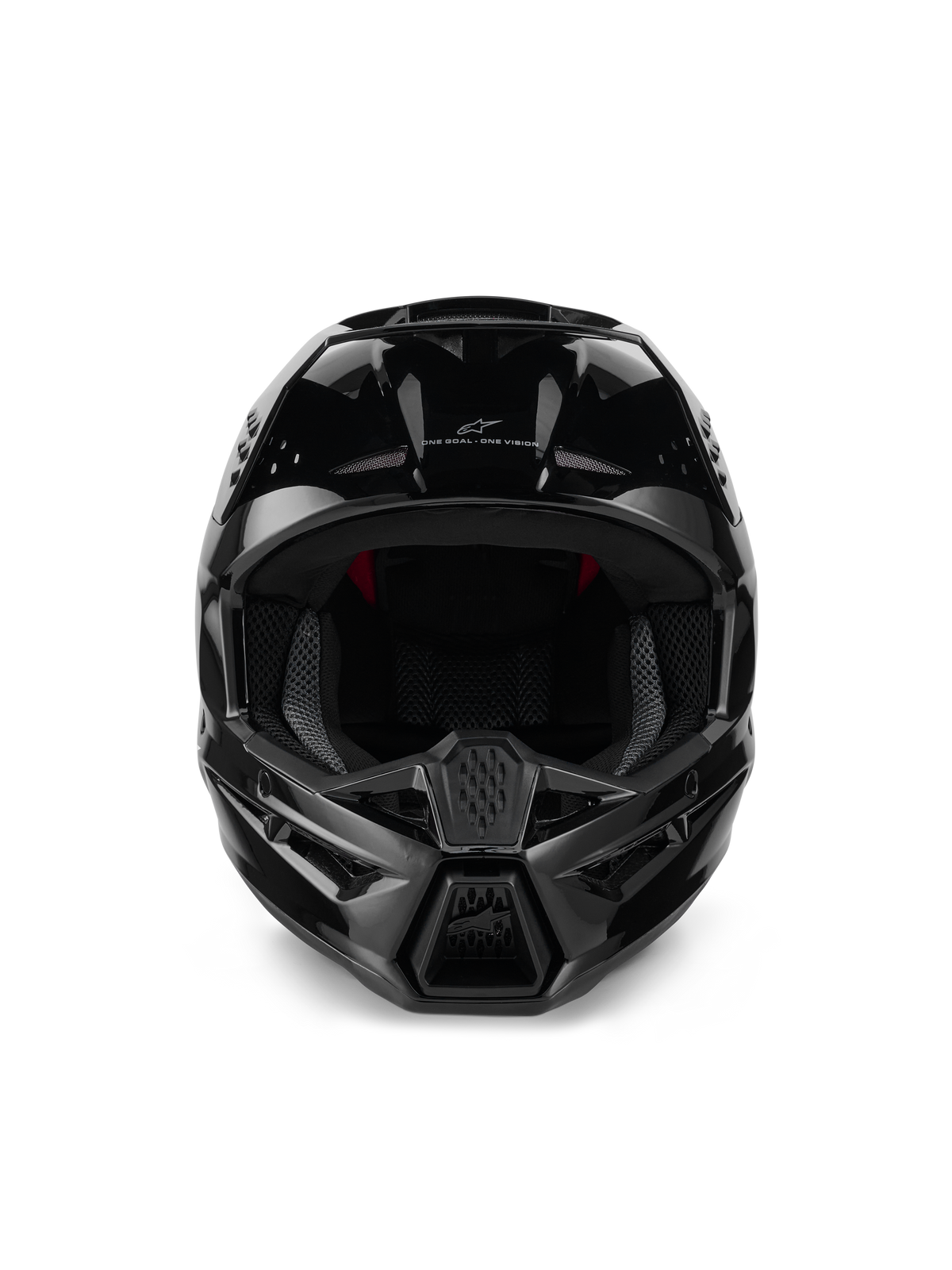

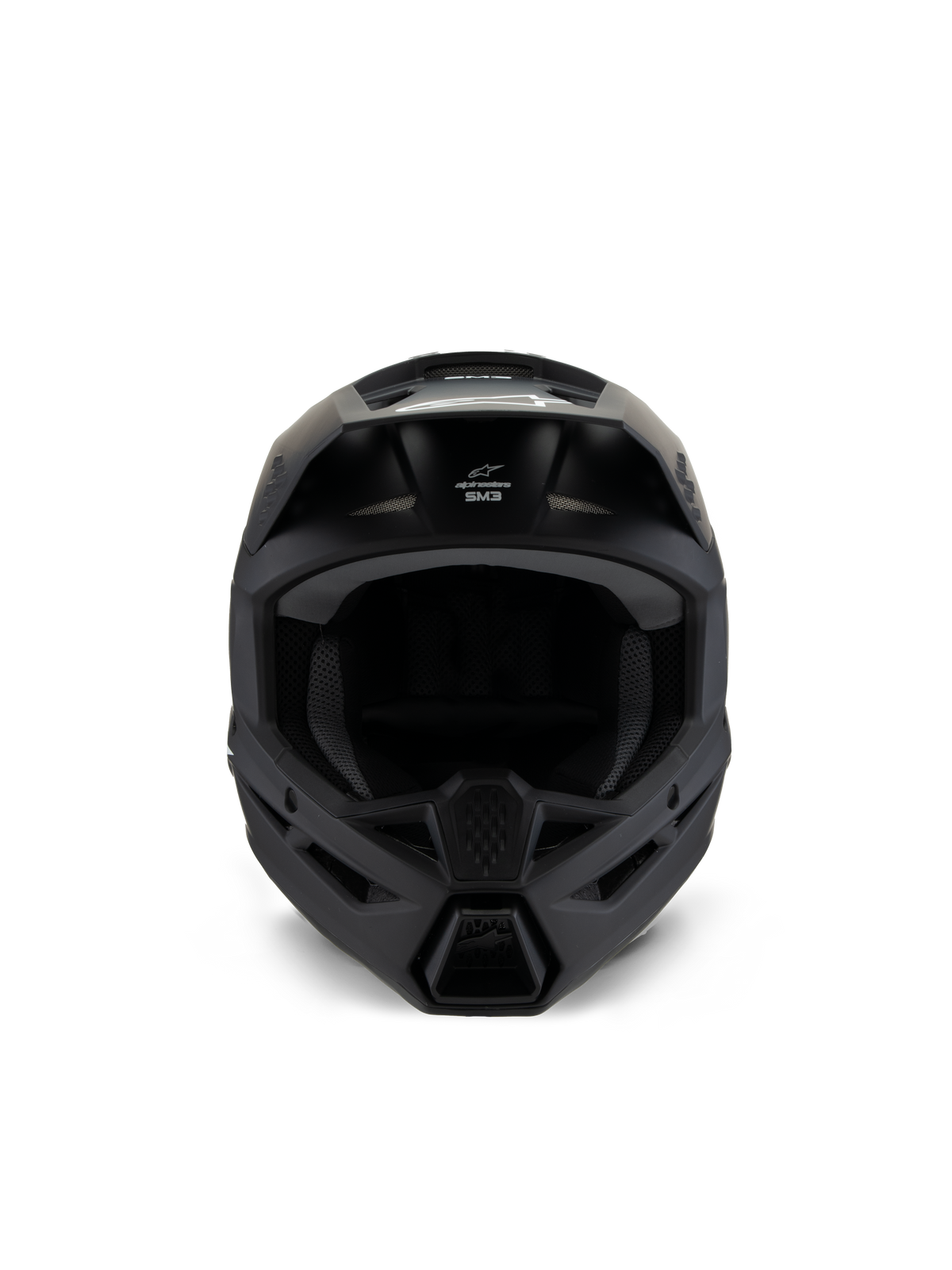


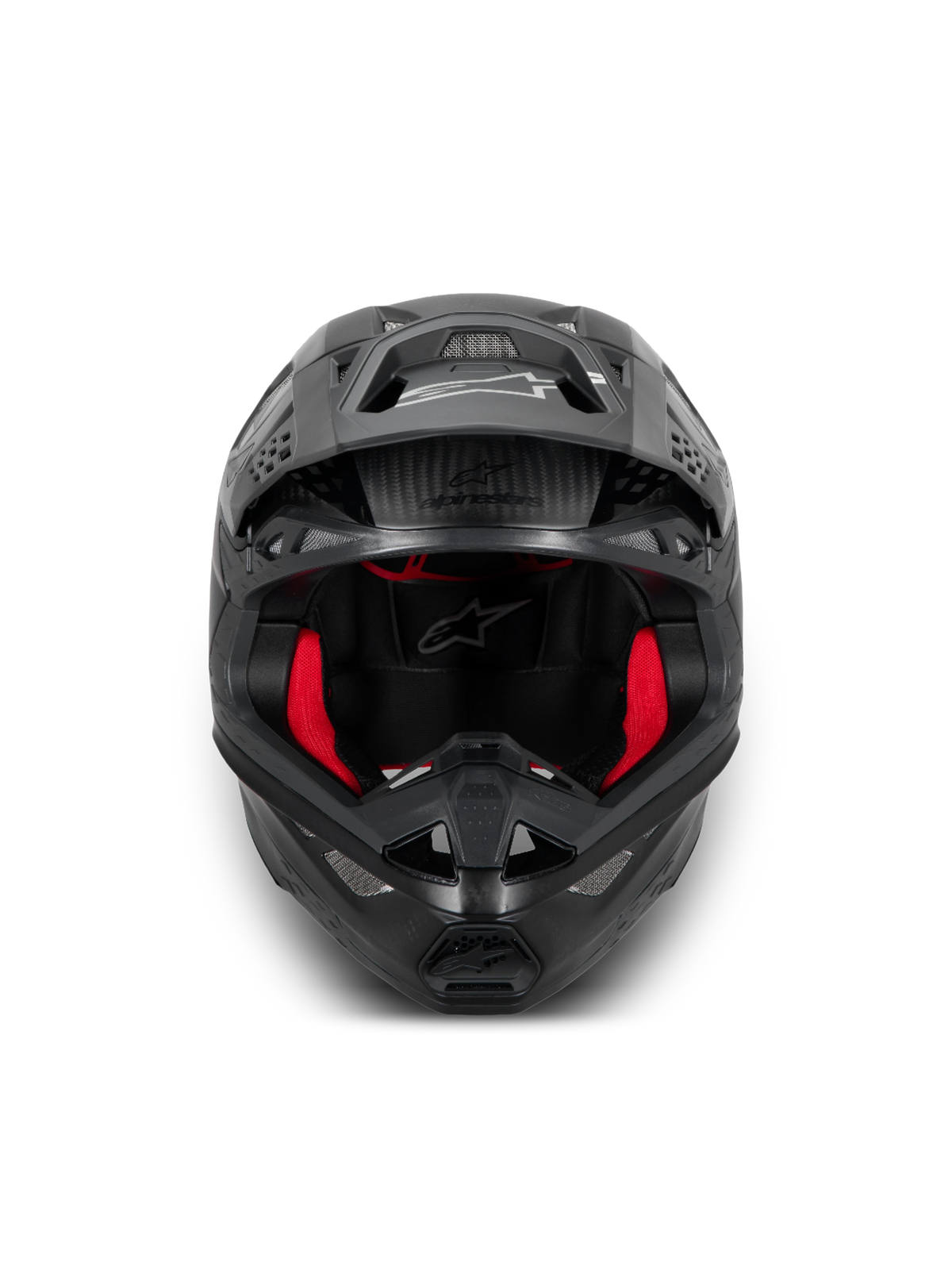


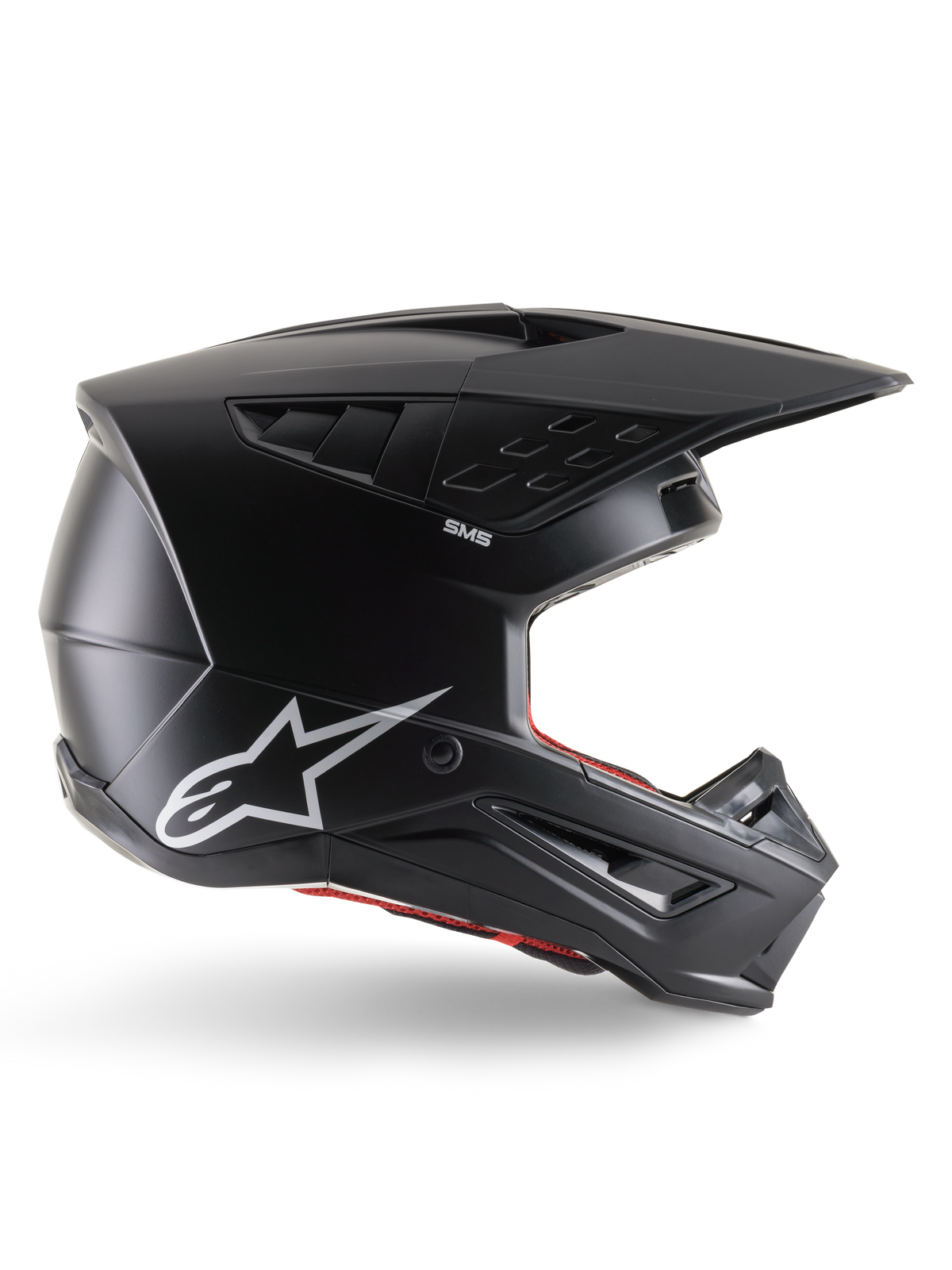













19 of 19 products
All products loaded
Frequently asked questions Hide FAQs
Are black motocross helmets in this collection safety certified?
Yes. Helmets in this collection are designed for off-road riding and, depending on model and market, may carry certifications such as DOT or ECE 22.06. The exact homologation can vary by helmet version, so the product page is the correct place to confirm which certification applies to the model you are viewing.
For riders comparing standards, DOT is the U.S. road-use standard and ECE 22.06 is a widely recognized international standard. Always choose the version intended for your region and intended riding use.
How should a black motocross helmet fit?
A motocross helmet should feel snug and even around the crown and cheeks without creating painful pressure points. Once the chin strap is secured, the helmet should remain stable when you move your head and should not roll excessively or shift during riding.
Measure around the widest part of your head just above the eyebrows, then compare that measurement with the size chart on the product page. If you are between sizes, a secure initial fit is usually the better starting point because comfort padding can settle slightly with use.
What is the difference between the motocross helmet ranges in this collection?
This collection can include several Alpinestars MX helmet families, from core off-road options to premium race-focused designs. The main differences are typically shell material, weight, ventilation layout, fit-adjustment features, and the level of advanced impact-management technology.
| Range | Typical focus | Best for |
|---|---|---|
| SM3 | Essential off-road protection, straightforward fit, accessible construction | Entry to intermediate motocross and trail riders |
| S-M7 | Lighter construction, stronger ventilation performance, more refined fit detail | Regular riders wanting lower weight and higher overall performance |
| Supertech M10 | Premium shell construction, advanced impact management, race-level fit systems | Racers and riders seeking the most advanced off-road helmet platform |
If you want to compare more colorways and graphics beyond this black-focused selection, you can also explore the broader motocross helmets collection.
Are black motocross helmets designed for goggles and off-road riding?
Yes. Motocross helmets are built around off-road use and are typically designed to be worn with goggles rather than a built-in face shield. Their peak, eye-port shape, ventilation layout, and overall construction are developed for dirt riding conditions such as dust, roost, heat, and repeated body movement on the bike.
They are best suited to motocross, trail, and other off-road applications. For eye protection and replacement parts, browse goggles and accessories.
How do I clean and care for a black motocross helmet?
Clean the outer shell with a soft cloth, mild soap, and lukewarm water. Avoid solvents, fuel, abrasive cleaners, or rough brushes, because these can damage the finish, graphics, vent parts, or shell components. Gentle cleaning is especially important on black helmets to preserve both matte and gloss finishes.
Remove and clean the comfort liner and cheek pads only if the user guide allows it, then let every part air dry fully before reassembly. Do not use direct heat, and replace the helmet if it has sustained a significant impact or if the shell, liner, or retention system shows damage.