
179 results
-
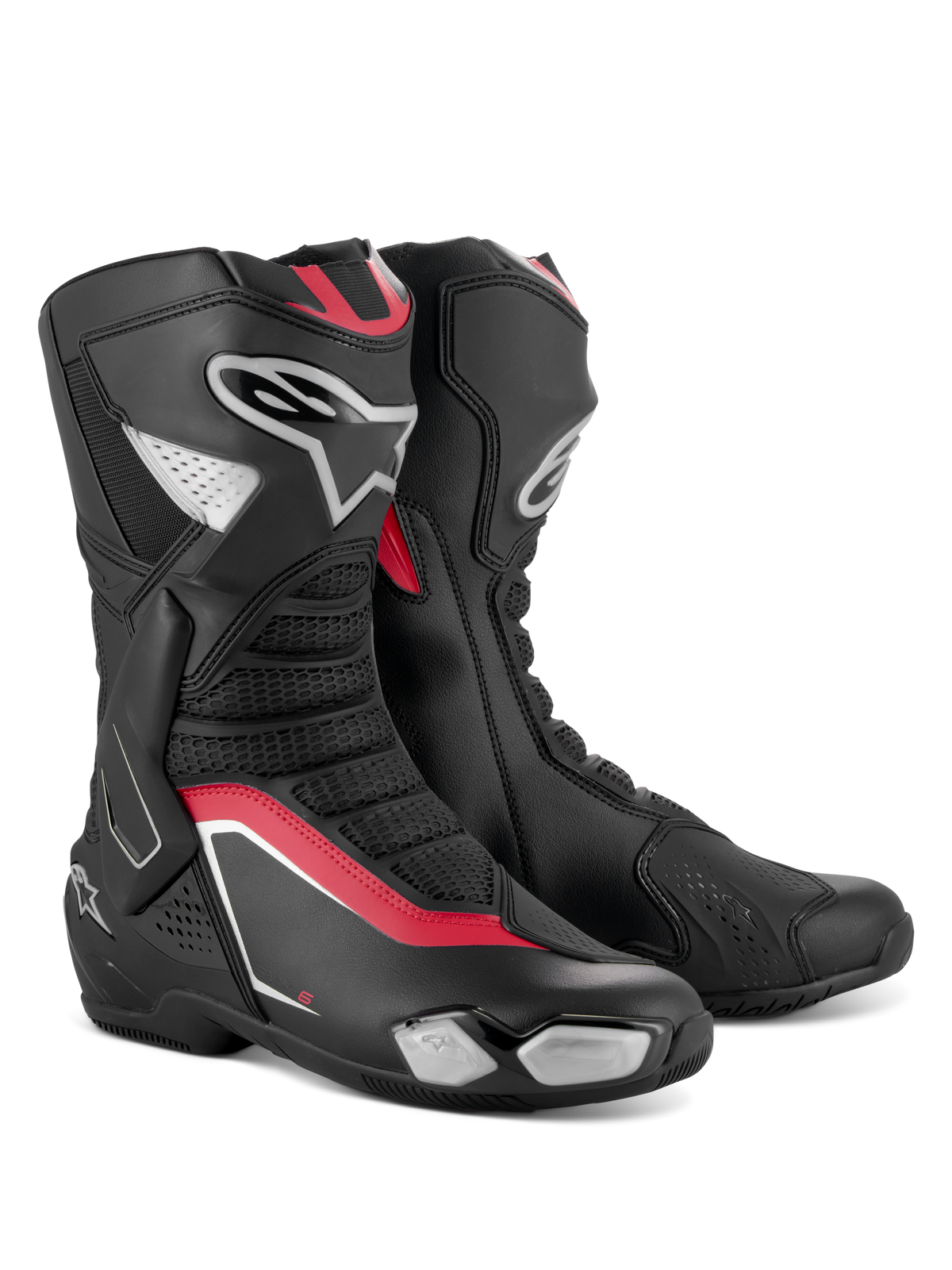
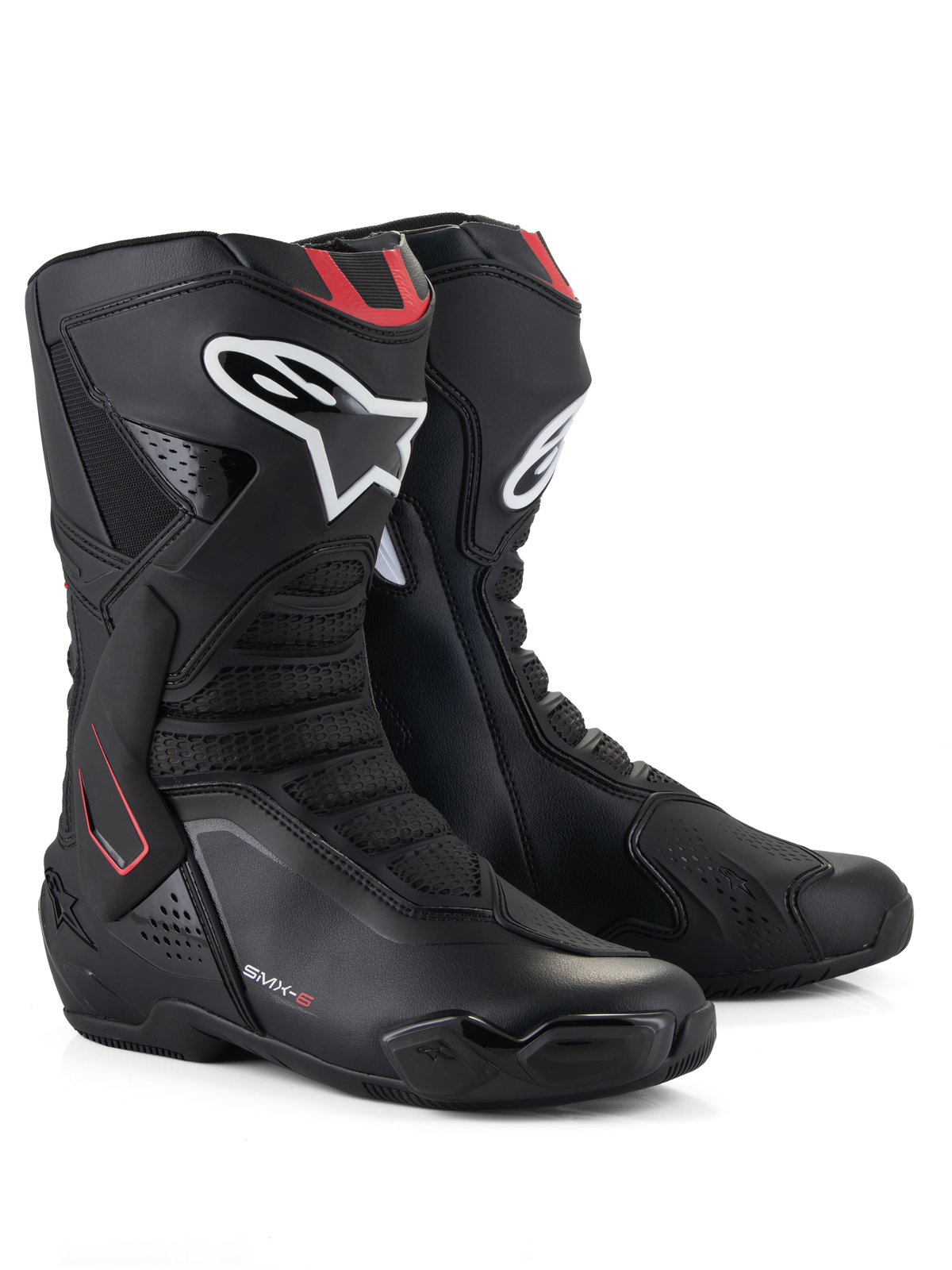
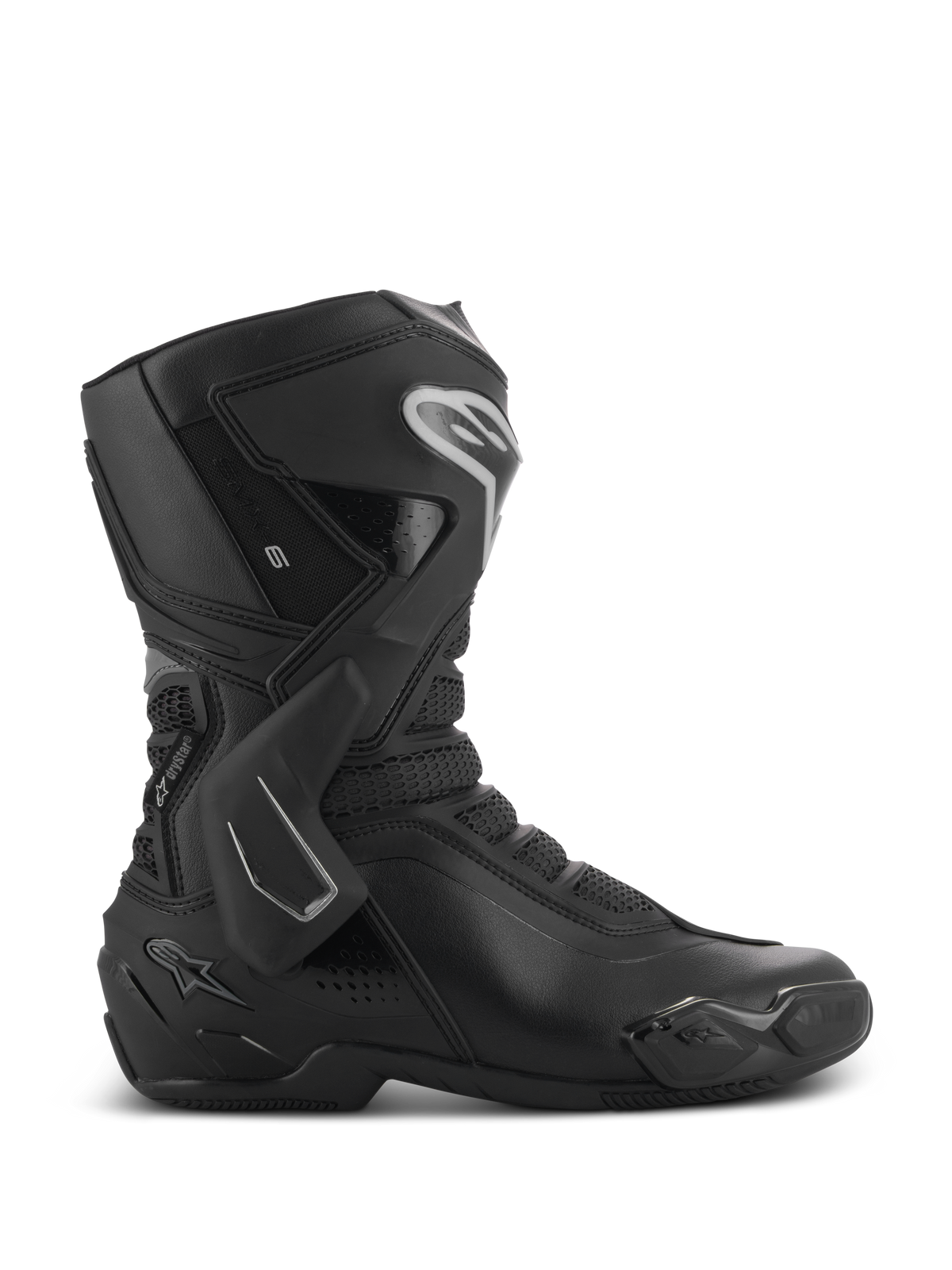
SMX-6 V3 Boots -
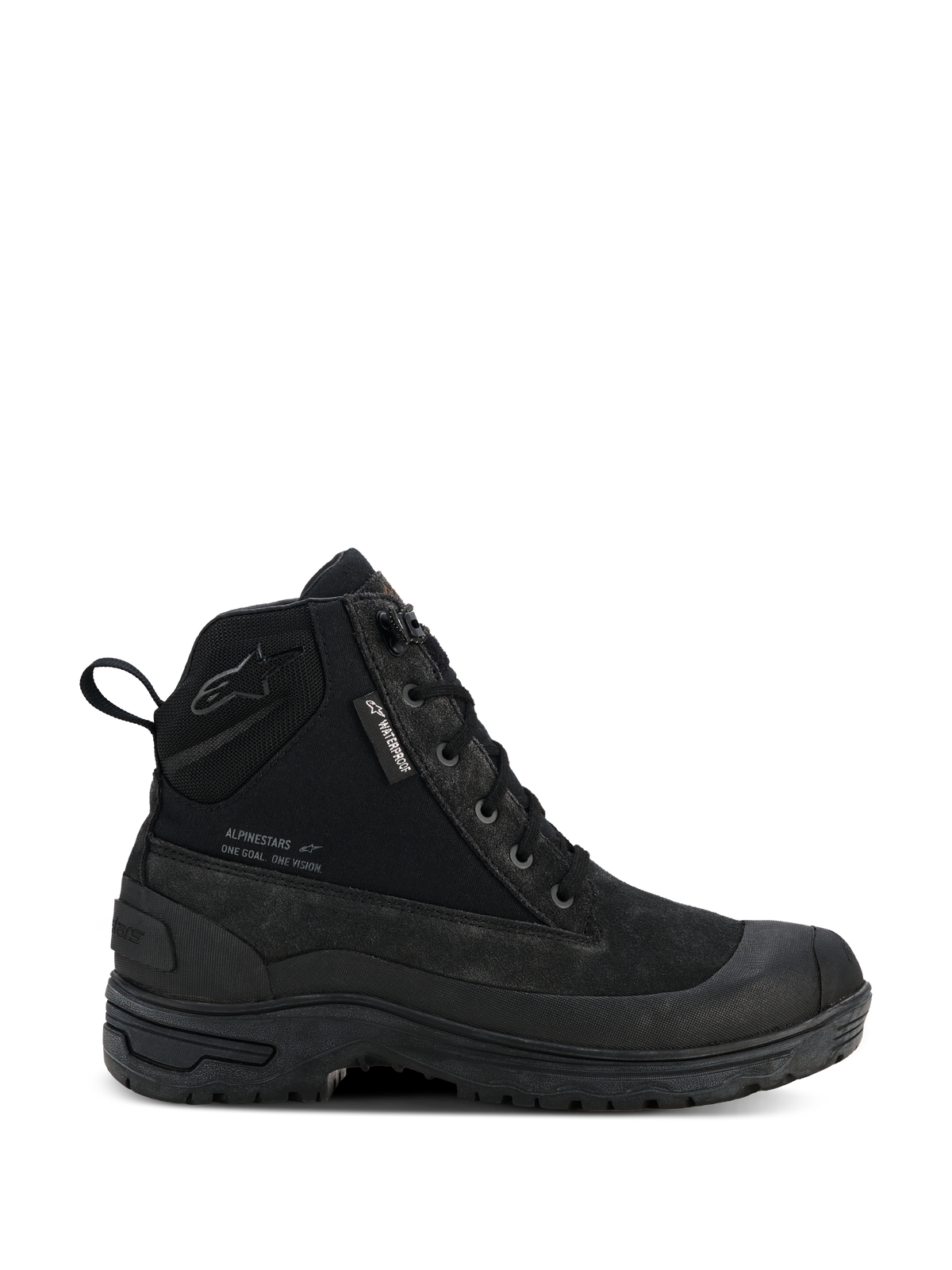
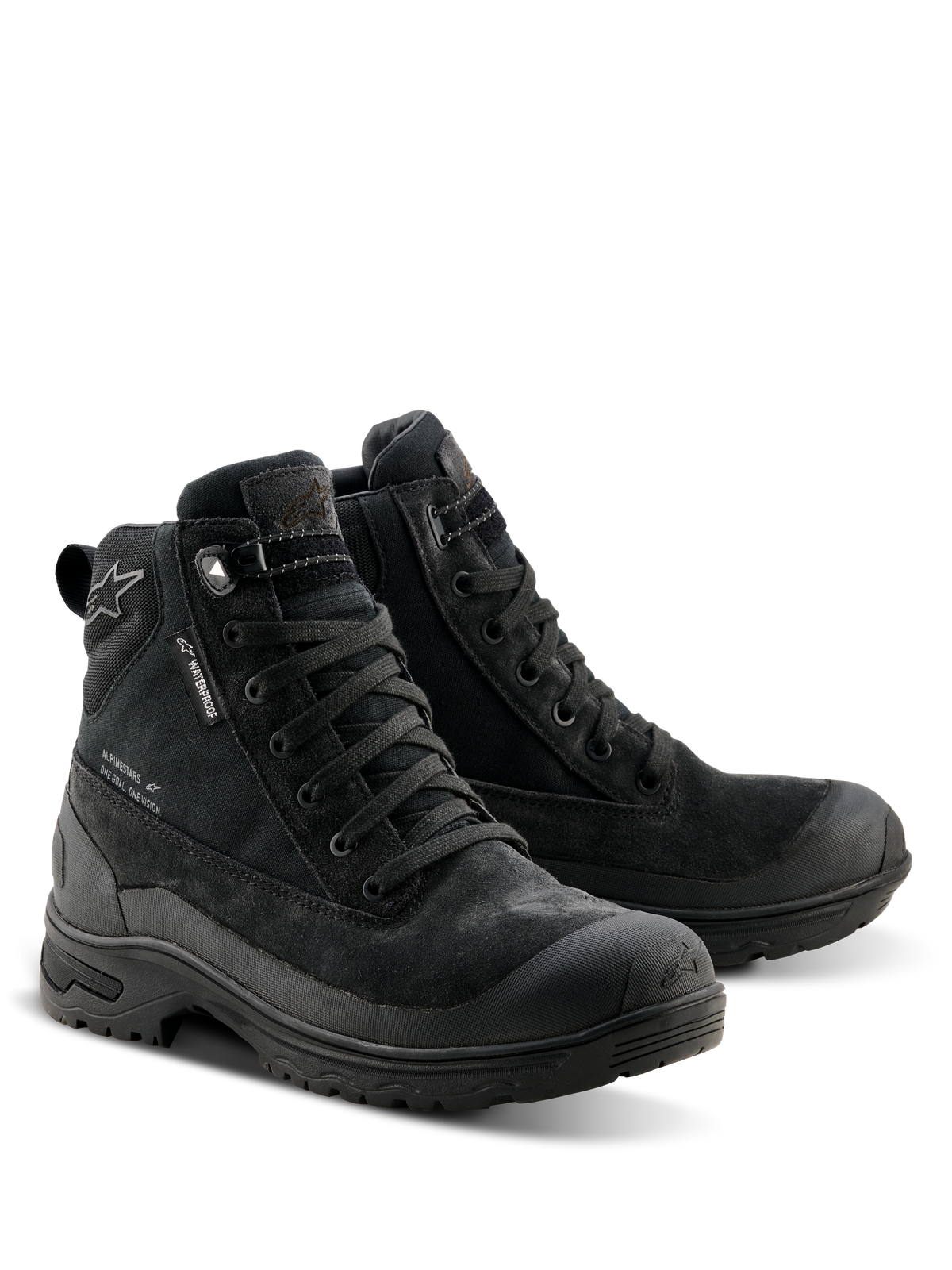
Judy Waterproof Boots -
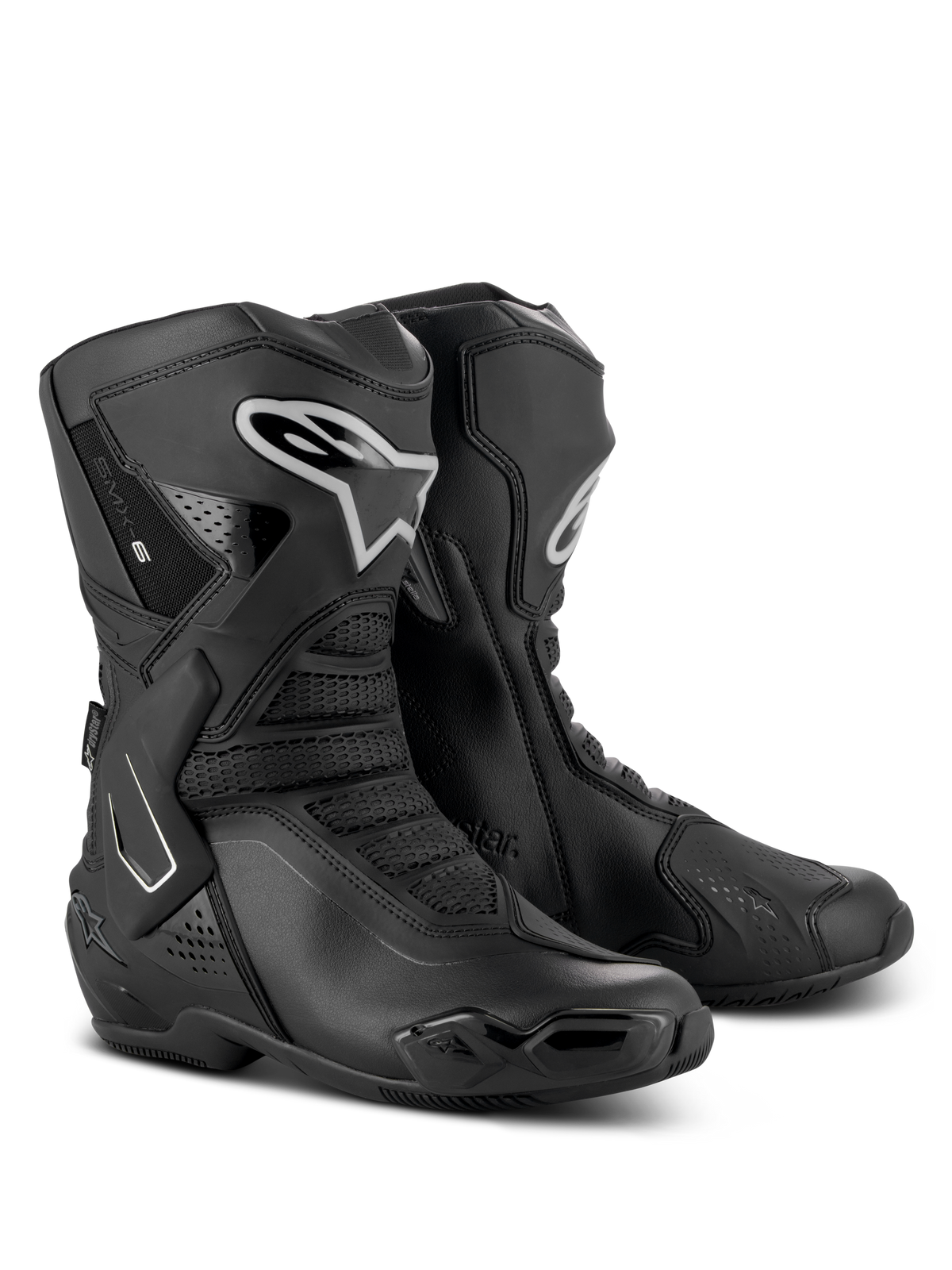
SMX-6 V3 Boots -
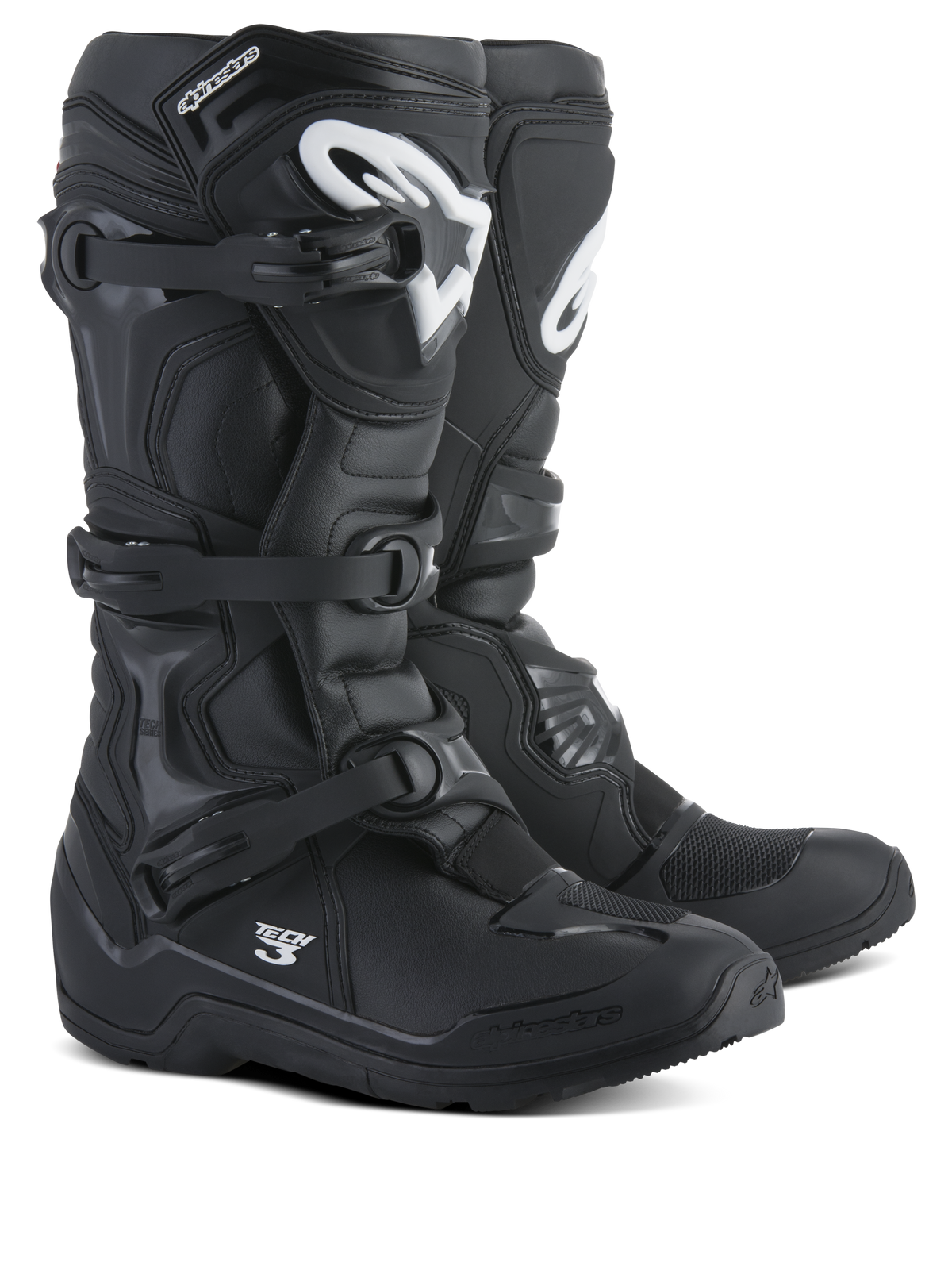
Tech 3 Enduro Boots -
Supertech R Boots -
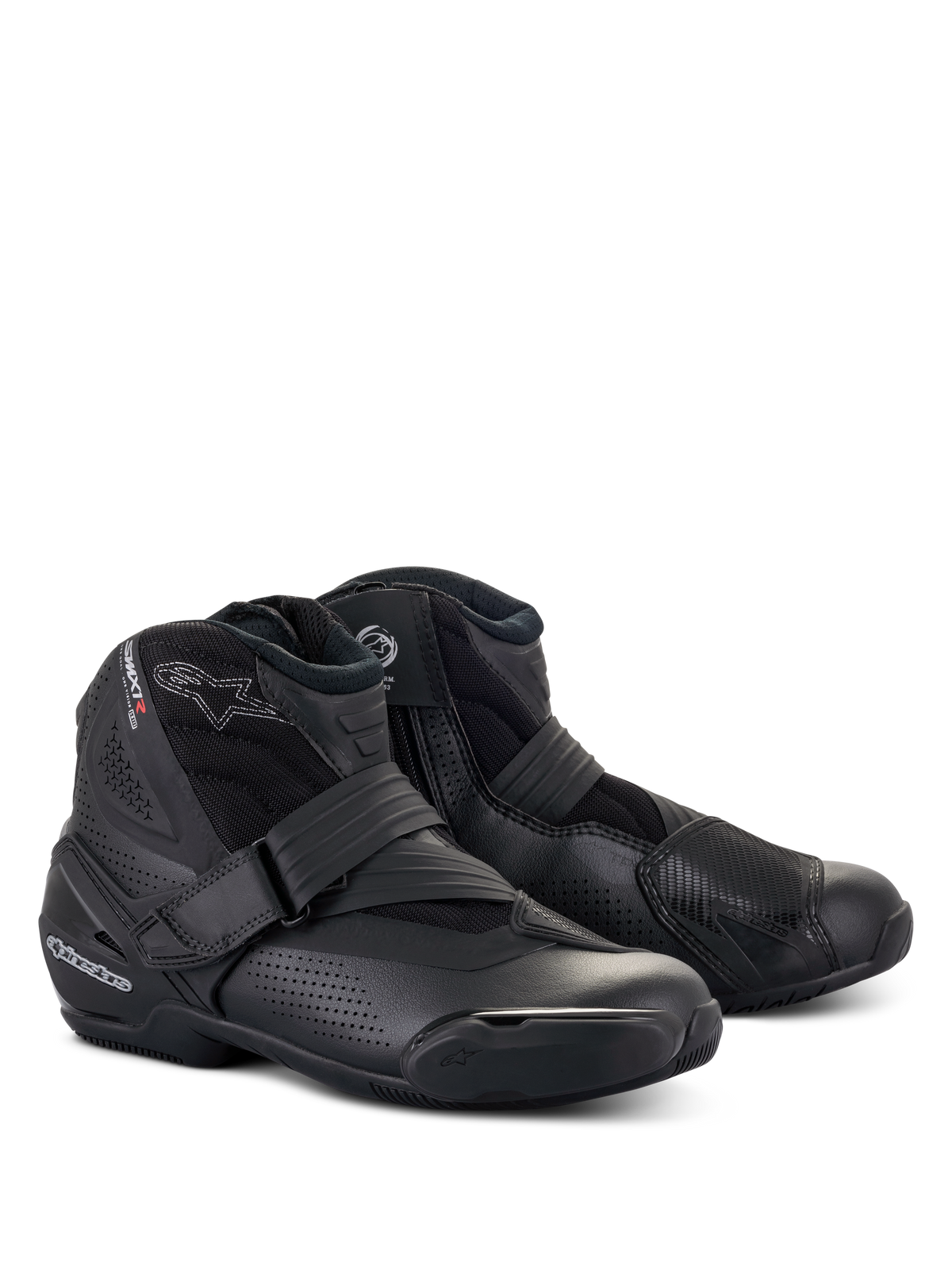
SMX-1 R V2 Vented Boots -
Stella RT-7 Touring Drystar® Boots -
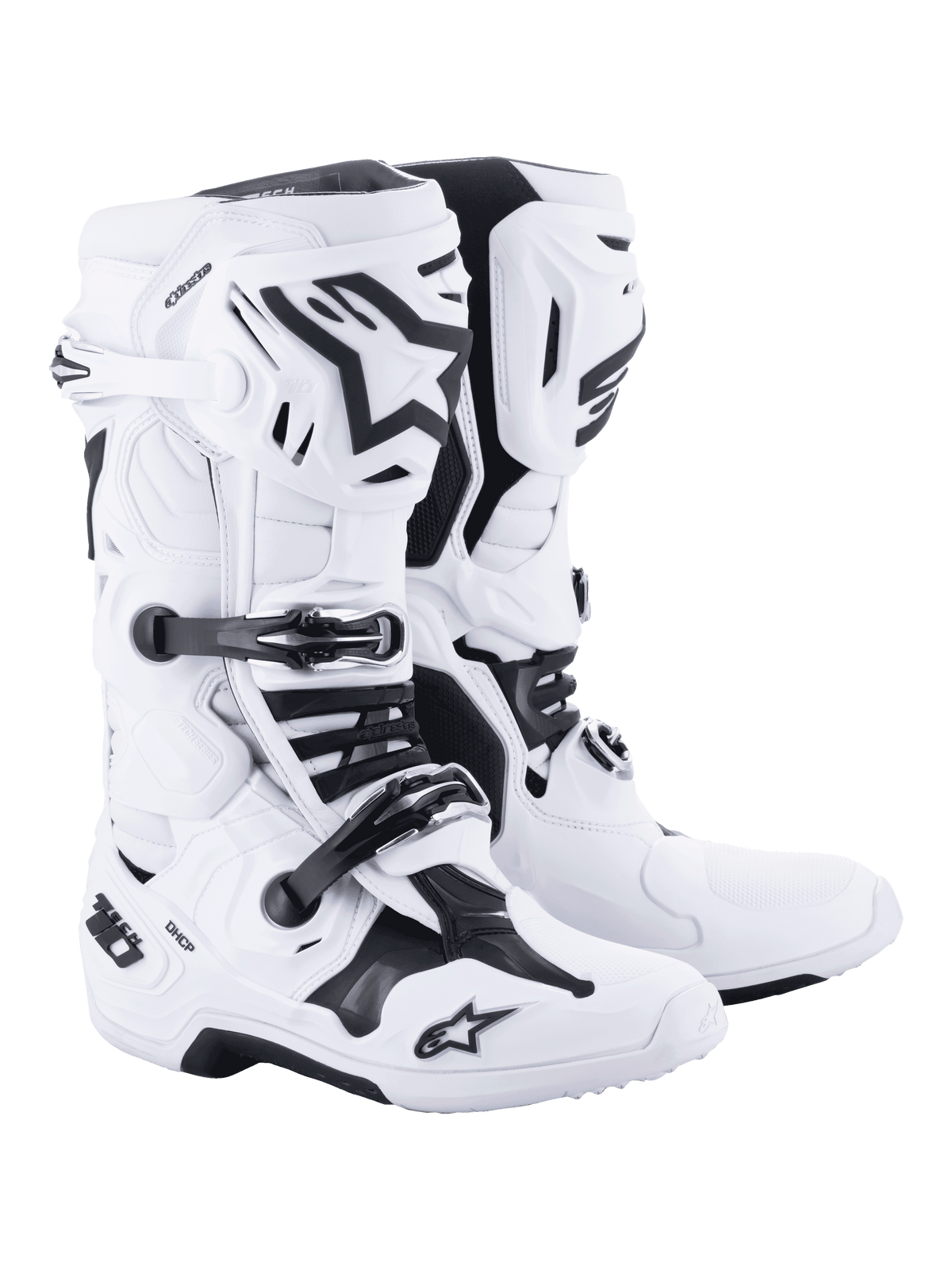
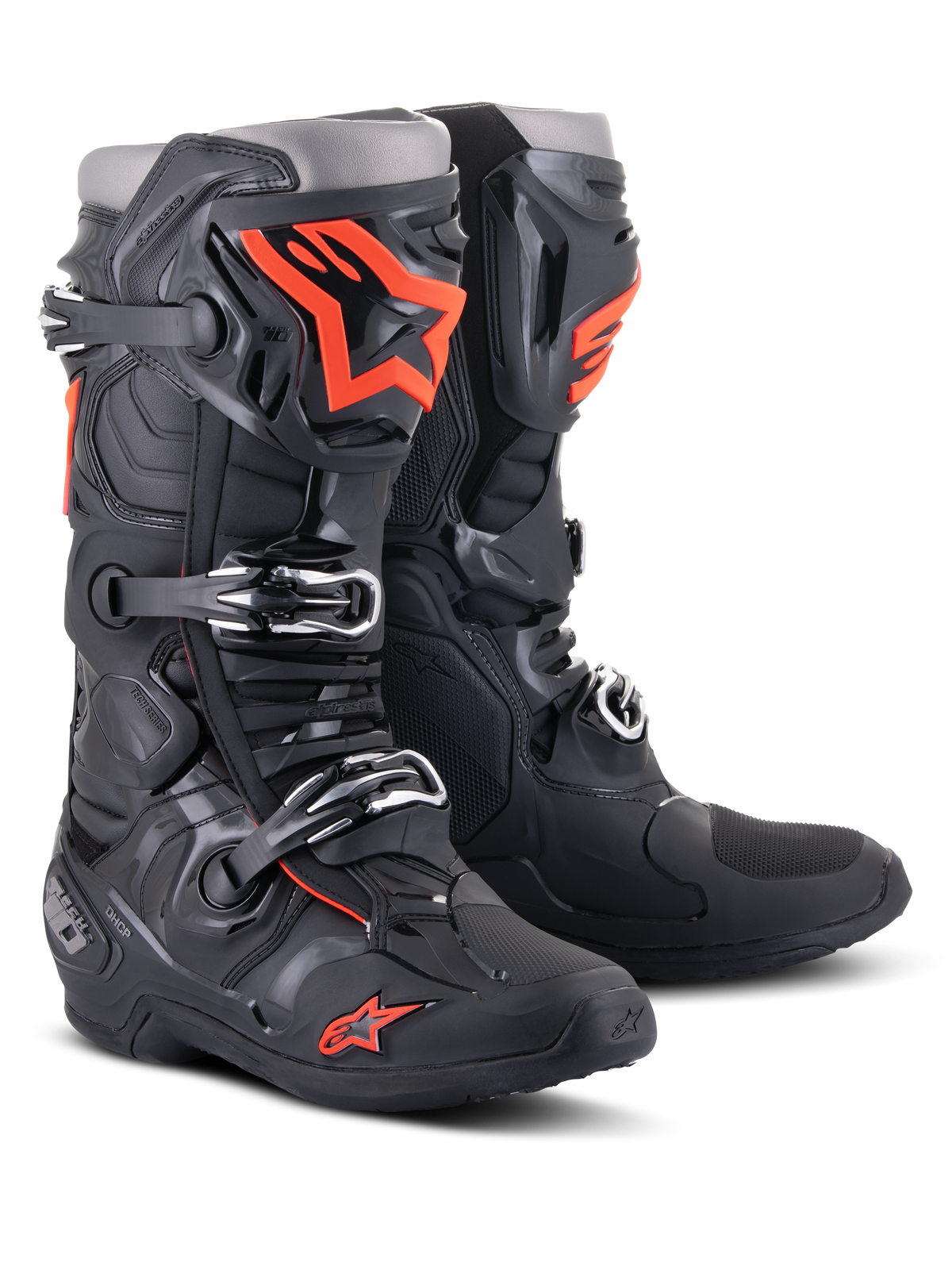
Tech 10 Boots -
Web GORE-TEX Boots -
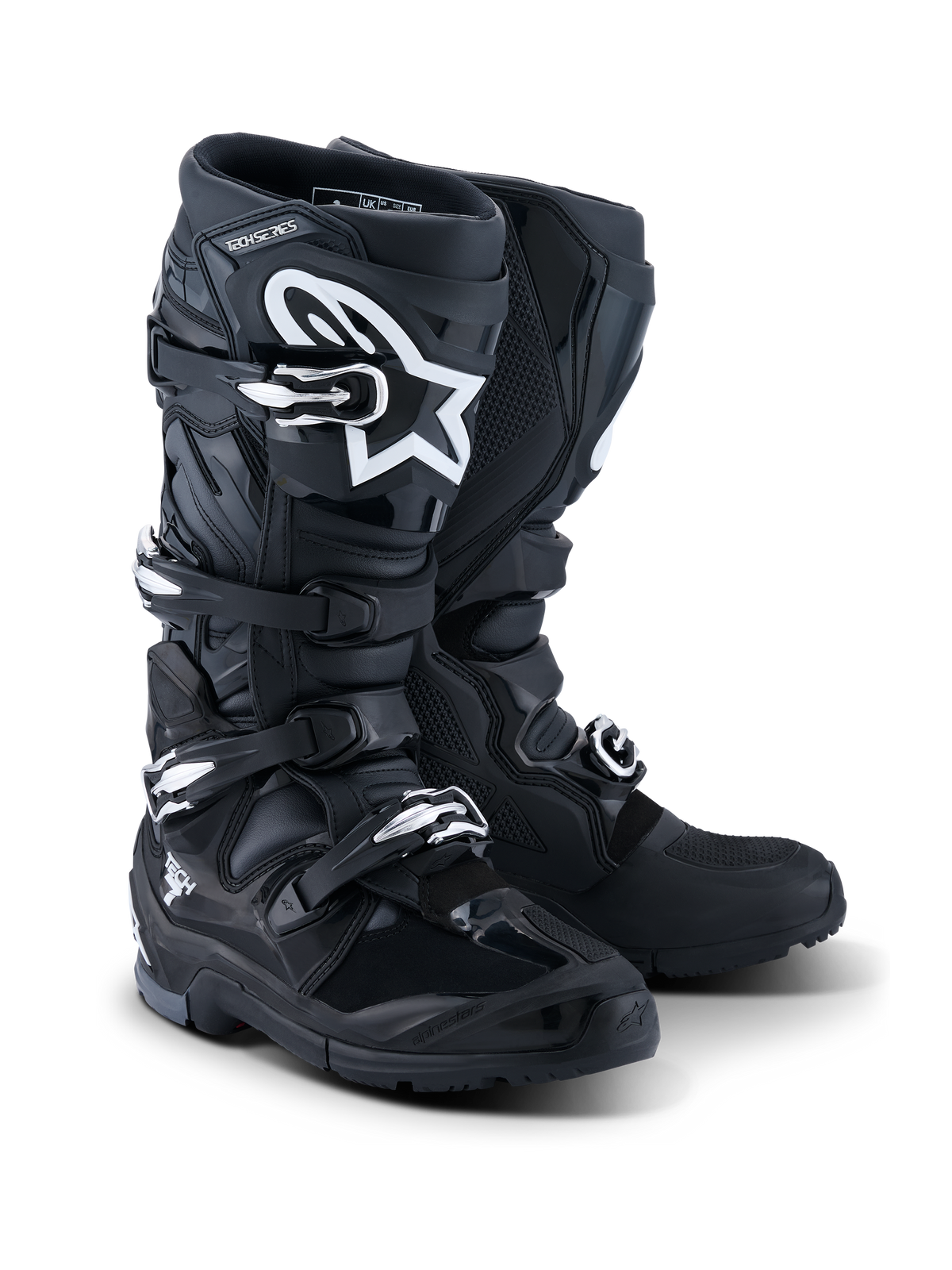
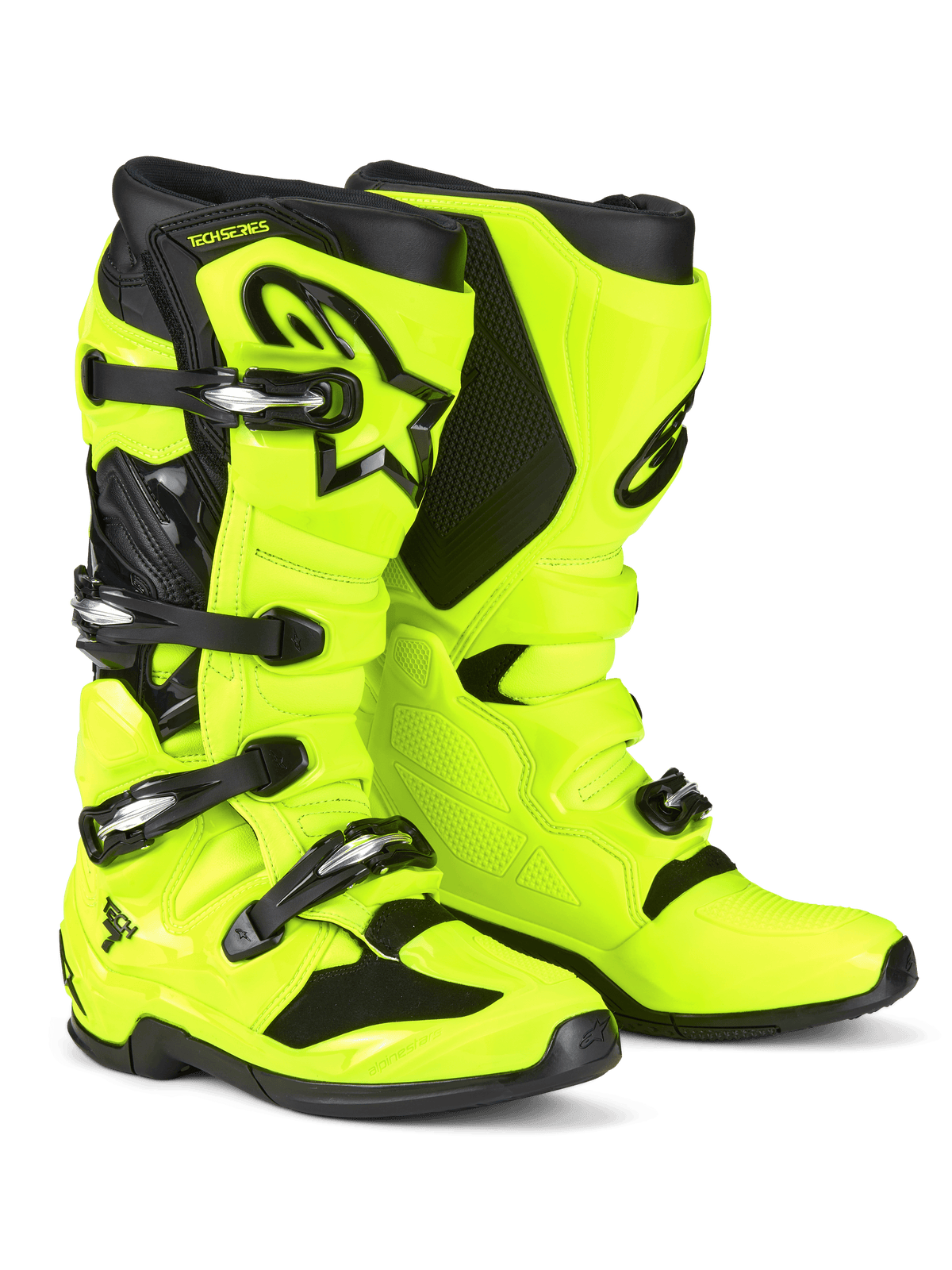
Tech 7 Boots -
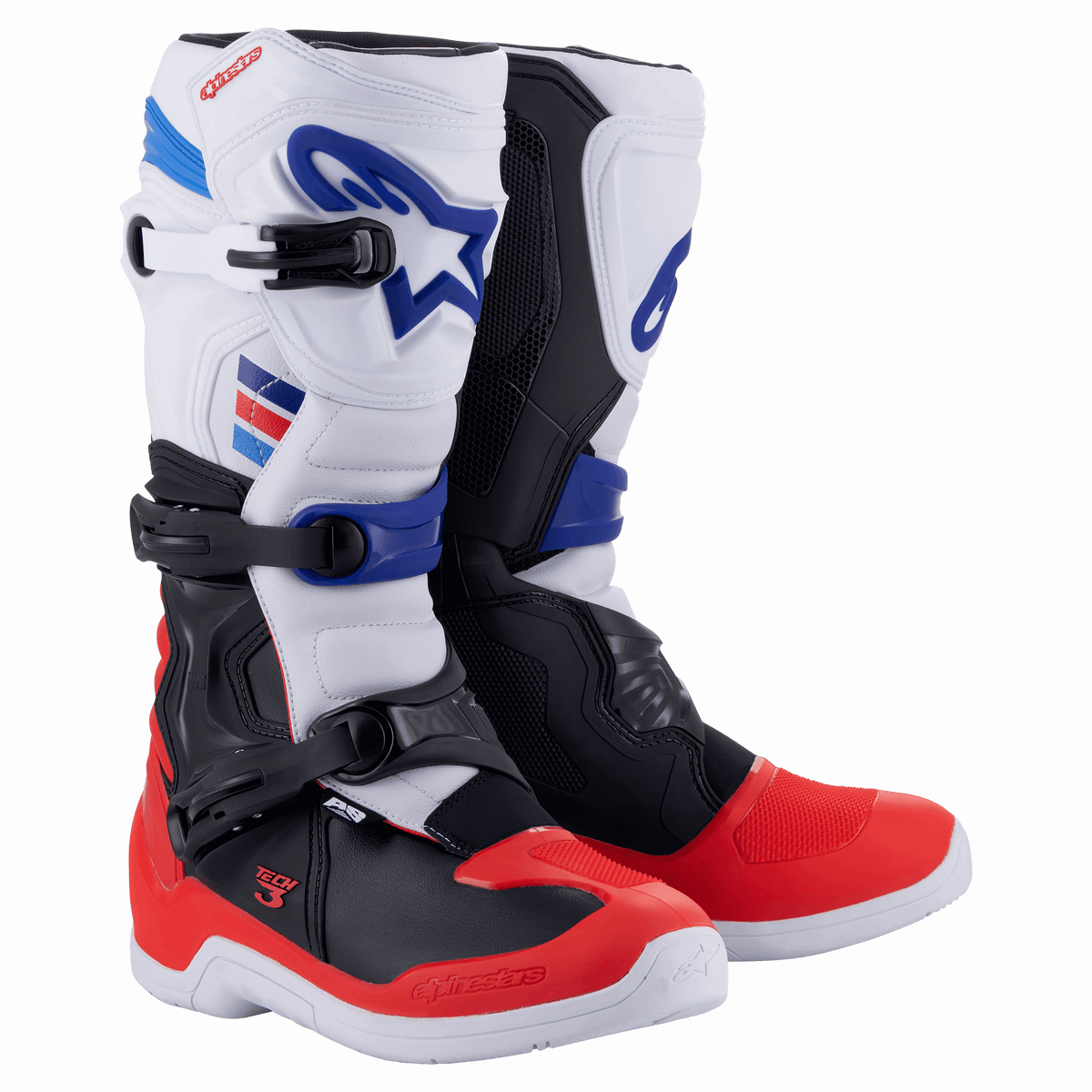
Tech 3 Boots -
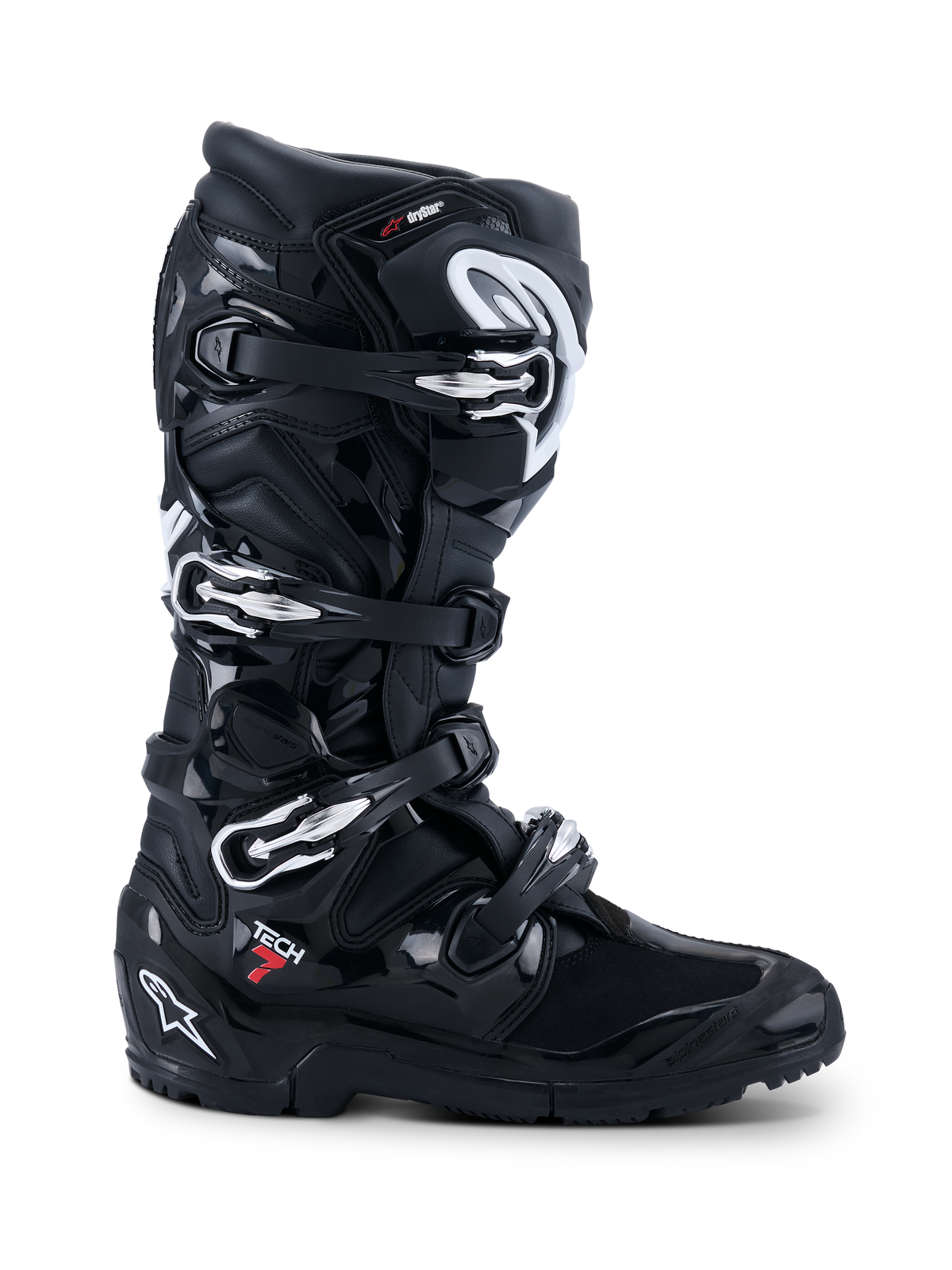
2026 Tech 7 Enduro Drystar® Boots -
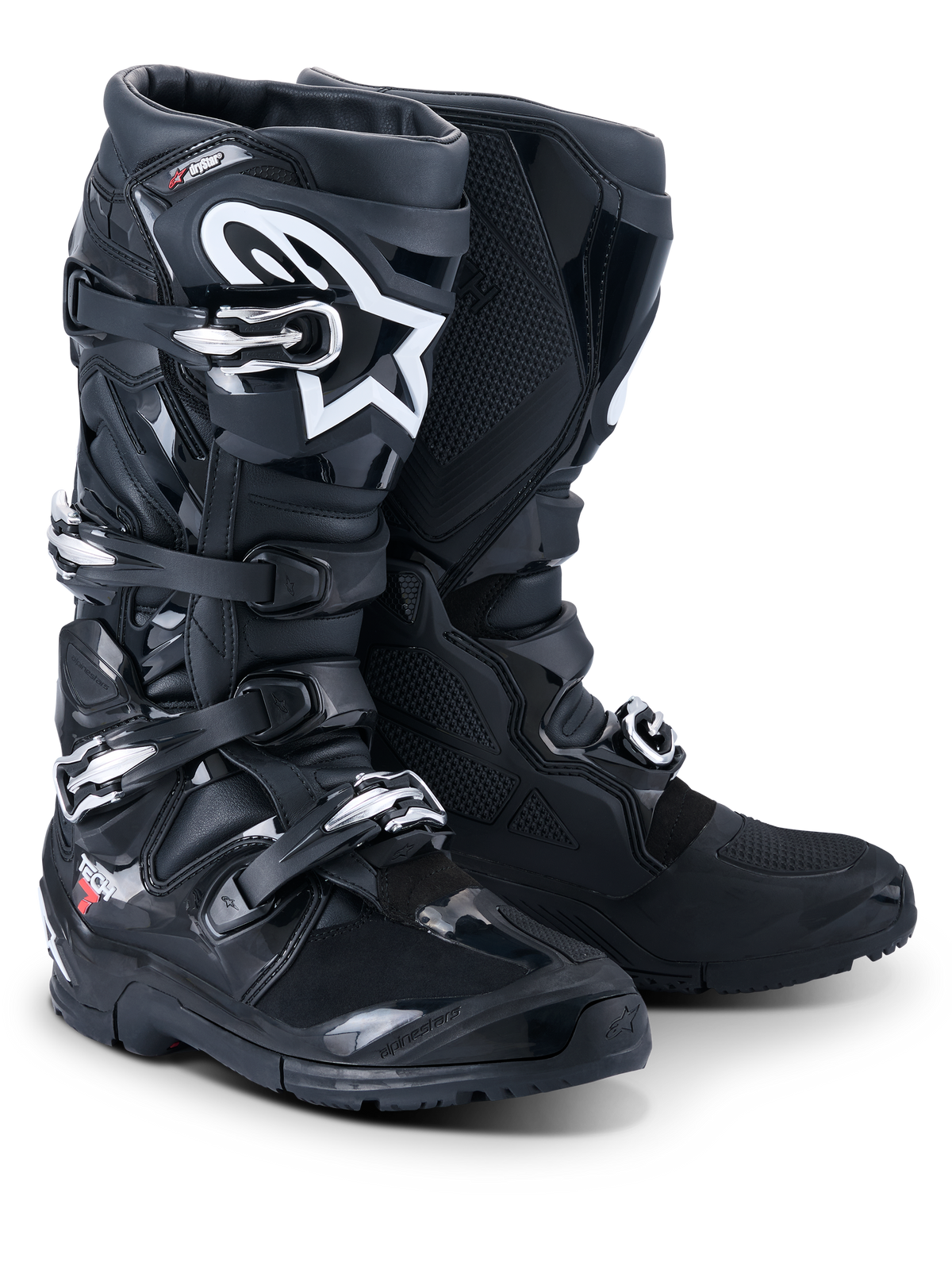
2026 Tech 7 Enduro Boots -
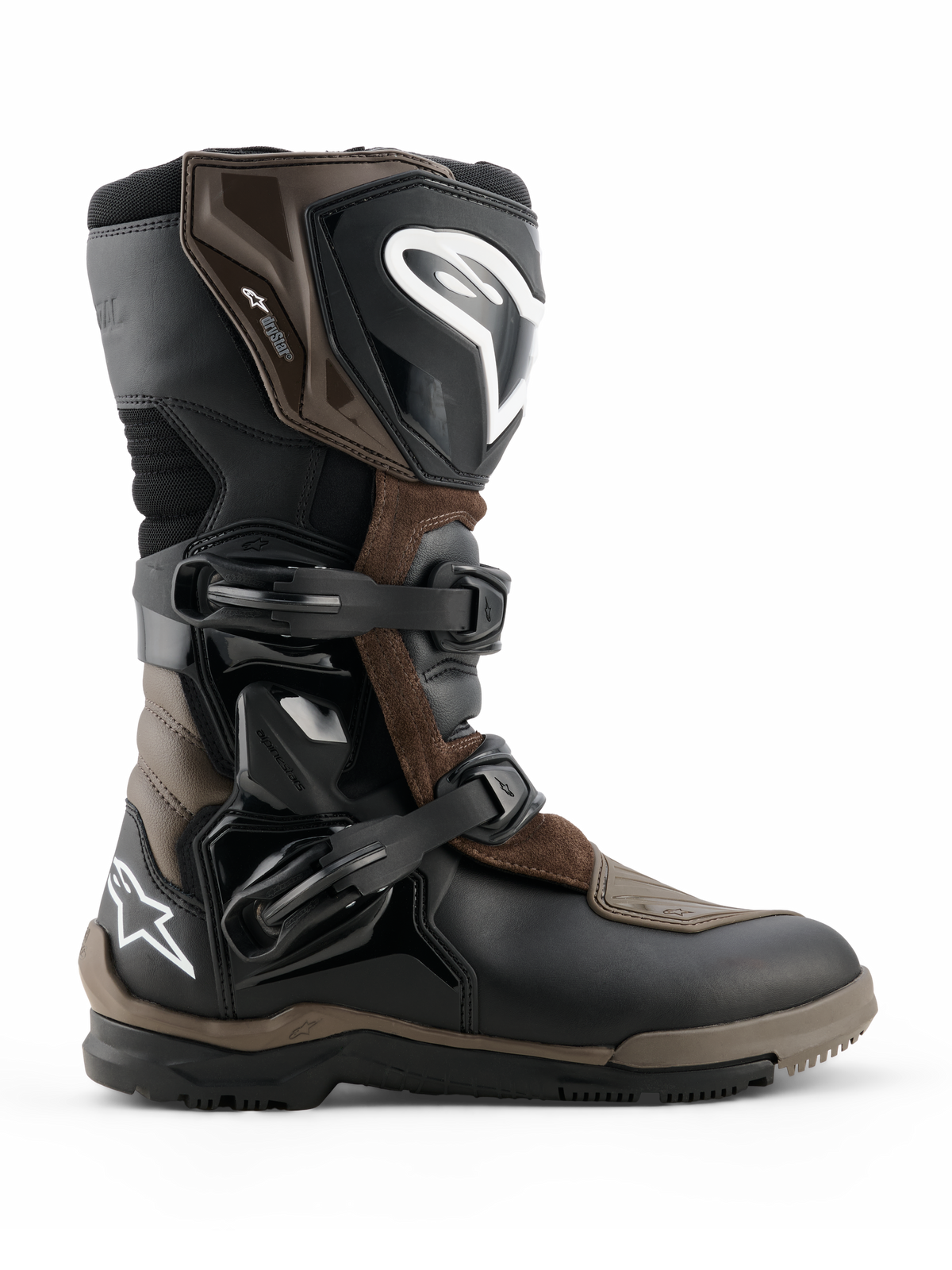
Corozal V2 Adventure Drystar® Boots -
Stella SMX-6 V3 Boots -
Tech 7 Boots -
SP-X BOA® Boots -
Tech 3 Boots -
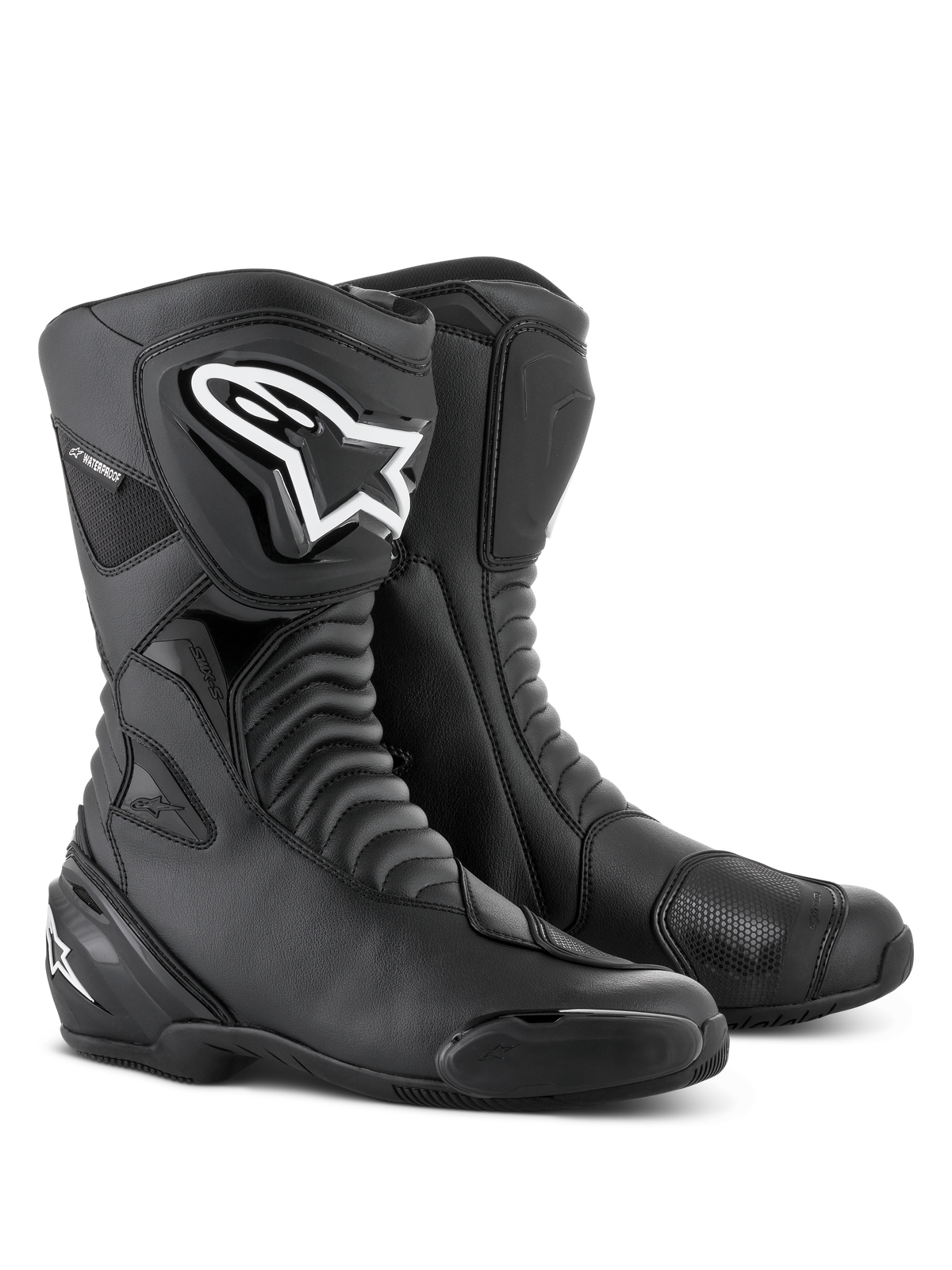
SMX S Boots -
Supertech R Boots -
Tech 10 Supervented Boots -
Tech 10 Boots -
Stella SMX-6 V3 Drystar® Boots -
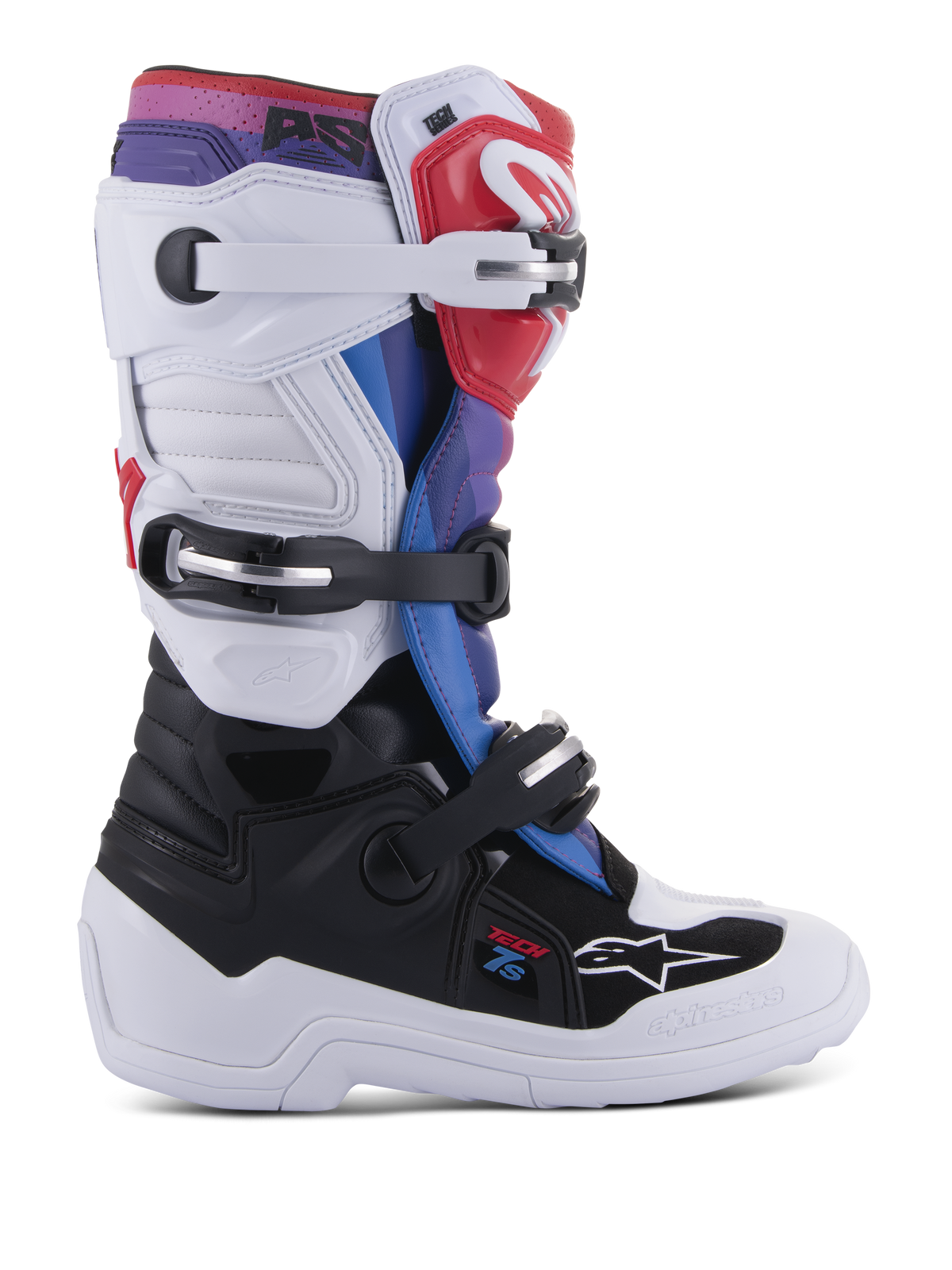
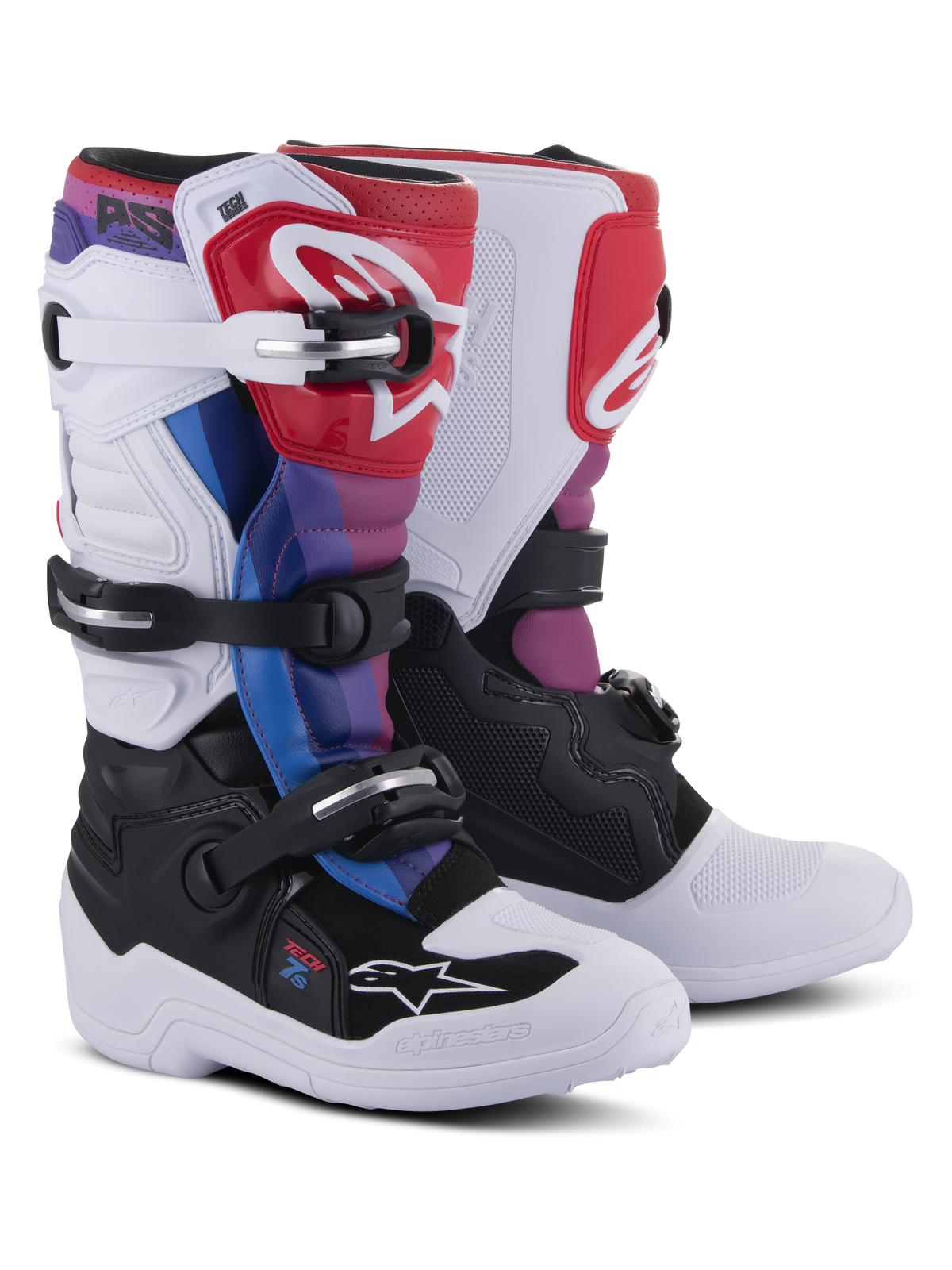
Youth Tech 7S Boots -
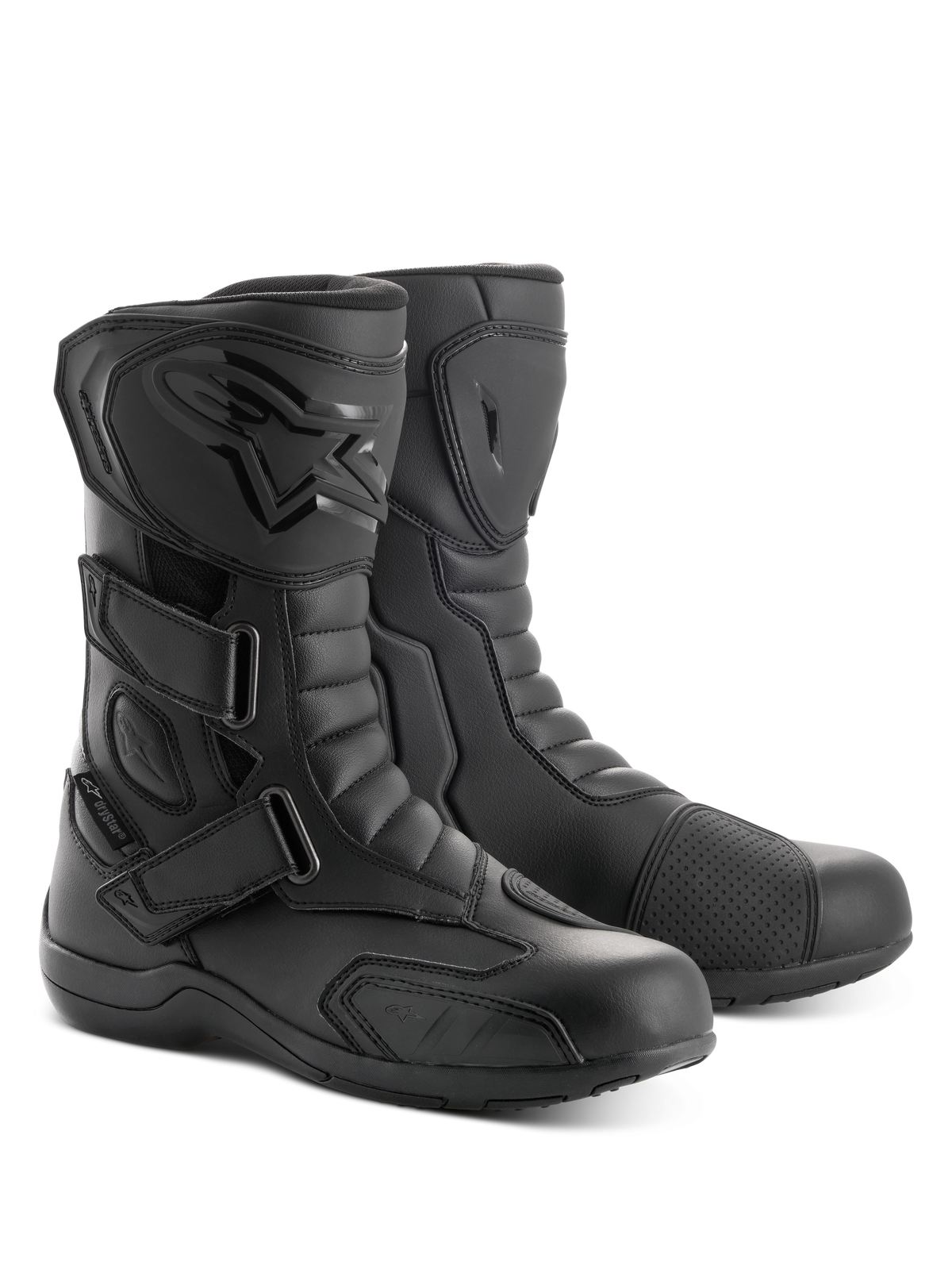
Radon Drystar® Boots -
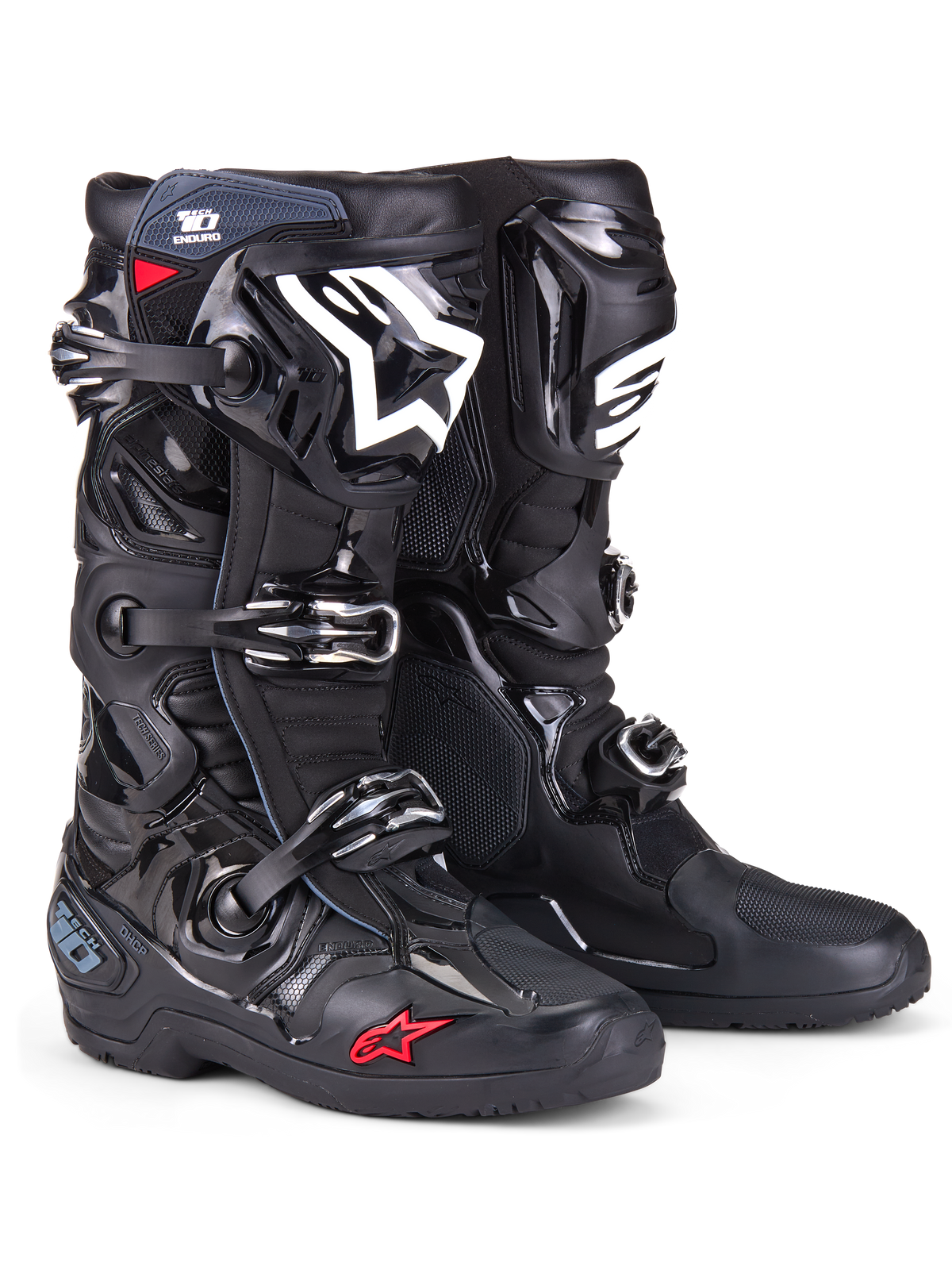
Tech 10 Enduro Boots -
2026 Tech 7 Enduro Boots -
SMX Plus V2 Boots -
SMX-1 R V2 Boots -
Corozal V2 Adventure Drystar® Boots -
Youth Tech 7S Boots -
Tech 10 Boots -
SMX S Waterproof Boots -
Tech 7 Boots -
Youth Tech 7S Boots -
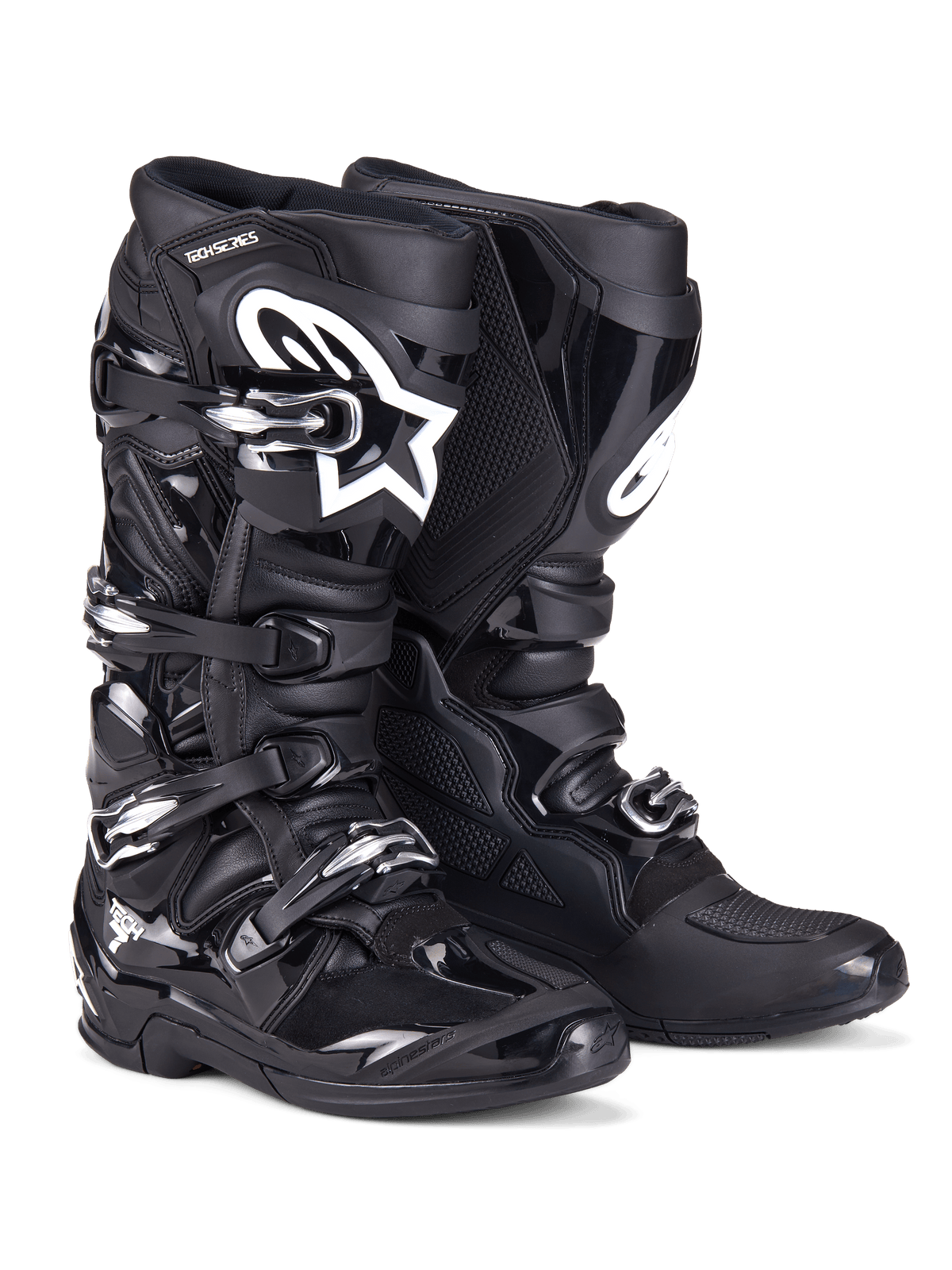
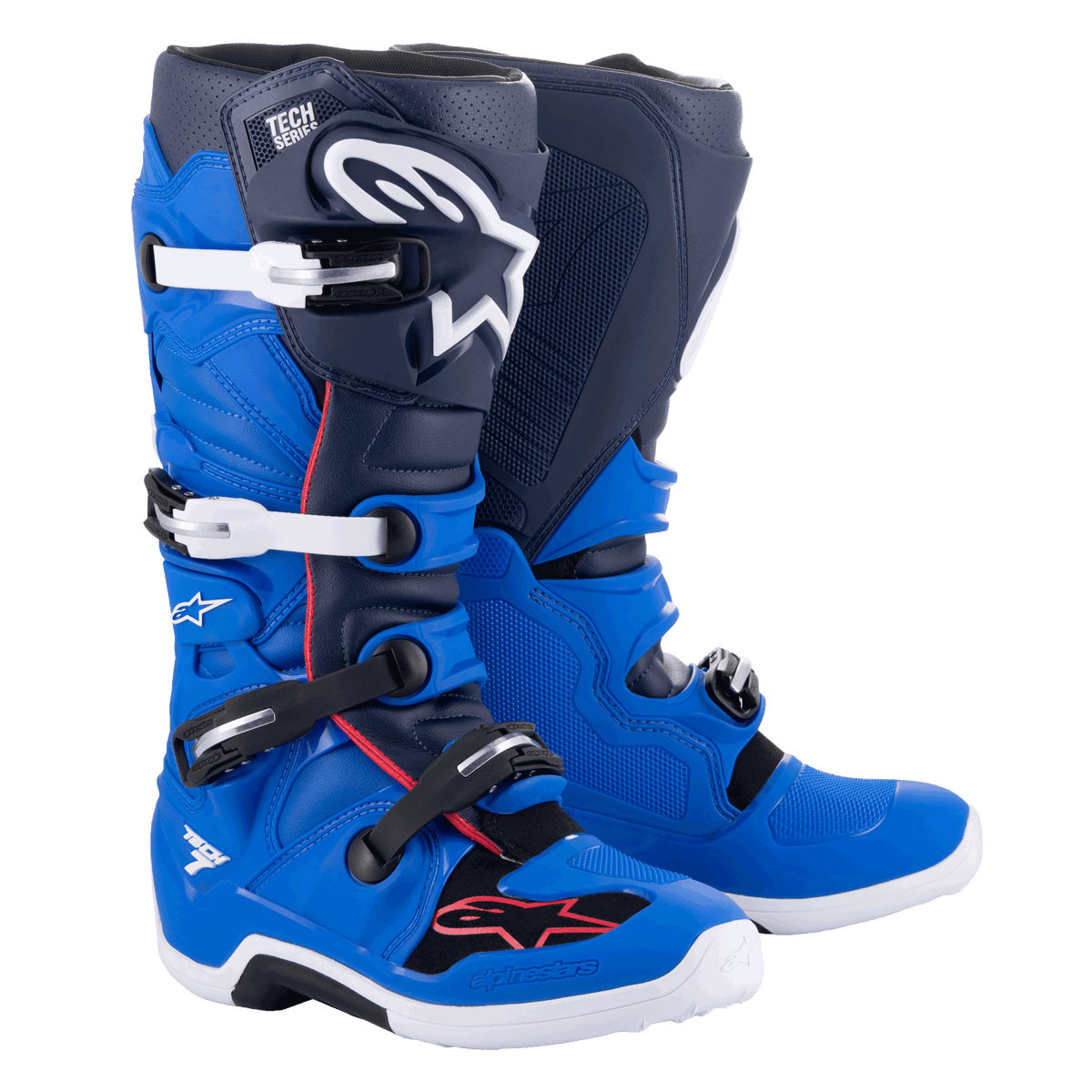
Tech 7 Boots















































Frequently asked questions Hide FAQs
How do I choose between road, adventure, urban, and motocross boots?
The right boot depends on where and how you ride. Road boots focus on sport and street control, adventure boots balance protection with walking comfort and weather coverage, urban boots are lower-profile for commuting, and motocross boots prioritize maximum support and impact protection for off-road riding.
| Boot Type | Primary Use | Typical Characteristics |
|---|---|---|
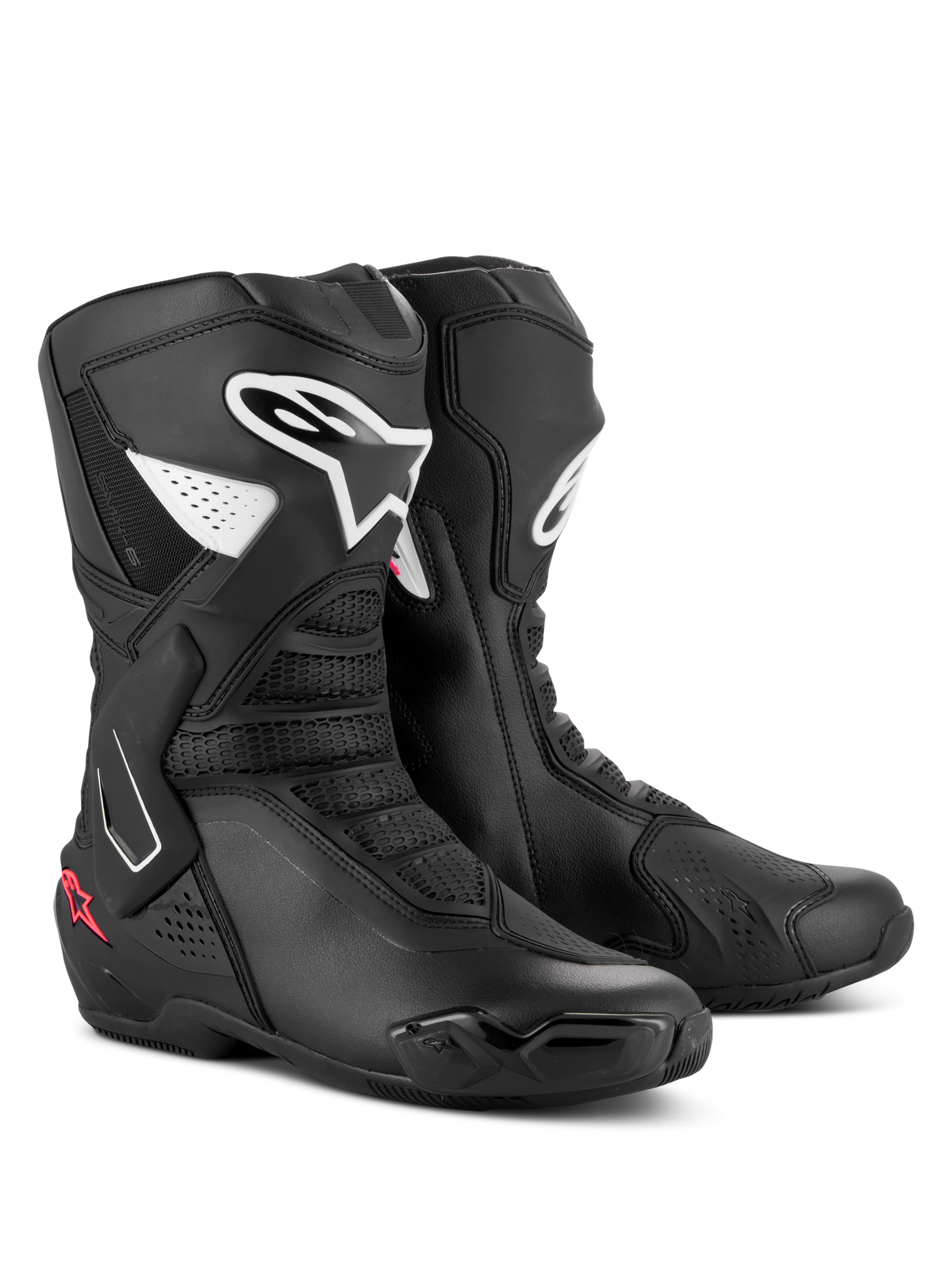
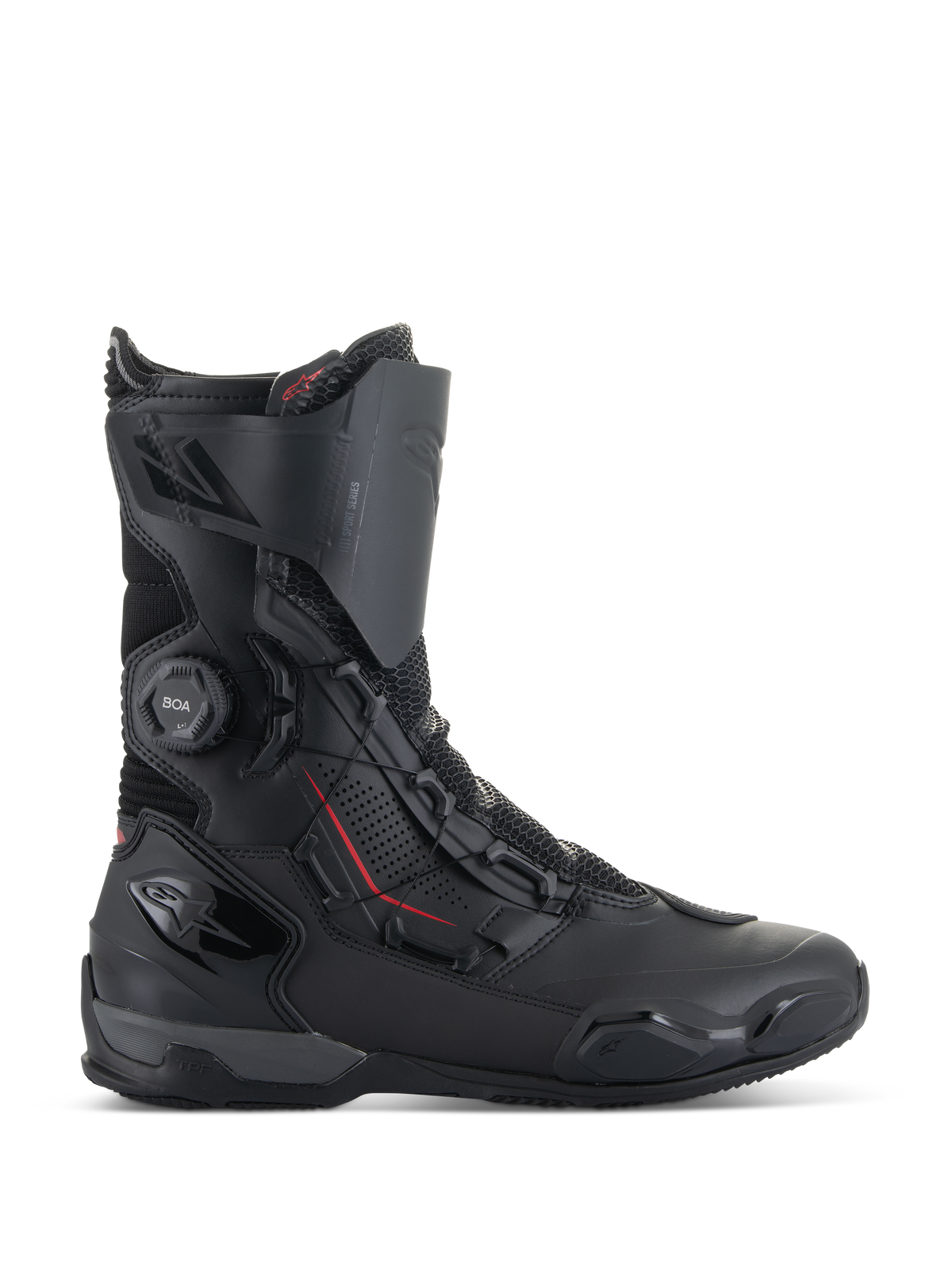
| Road | Street and track riding | Sport-focused ergonomics, ankle support, abrasion resistance |
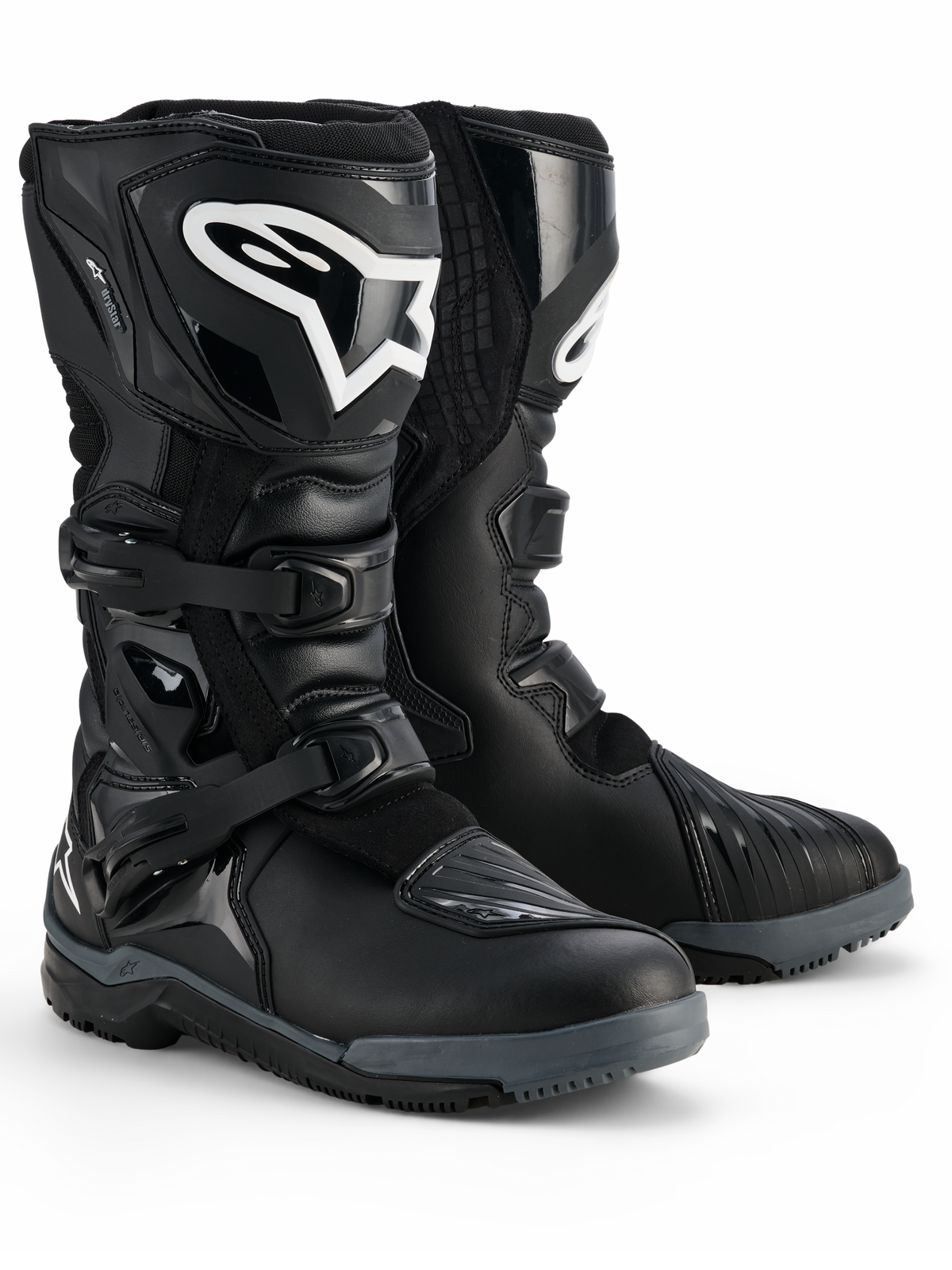
| Adventure | Touring and mixed terrain | Taller coverage, grip for standing and walking, weather-oriented designs |
| Urban | Commuting and everyday riding | Lower-profile construction, easier off-bike comfort, motorcycle-specific reinforcement |
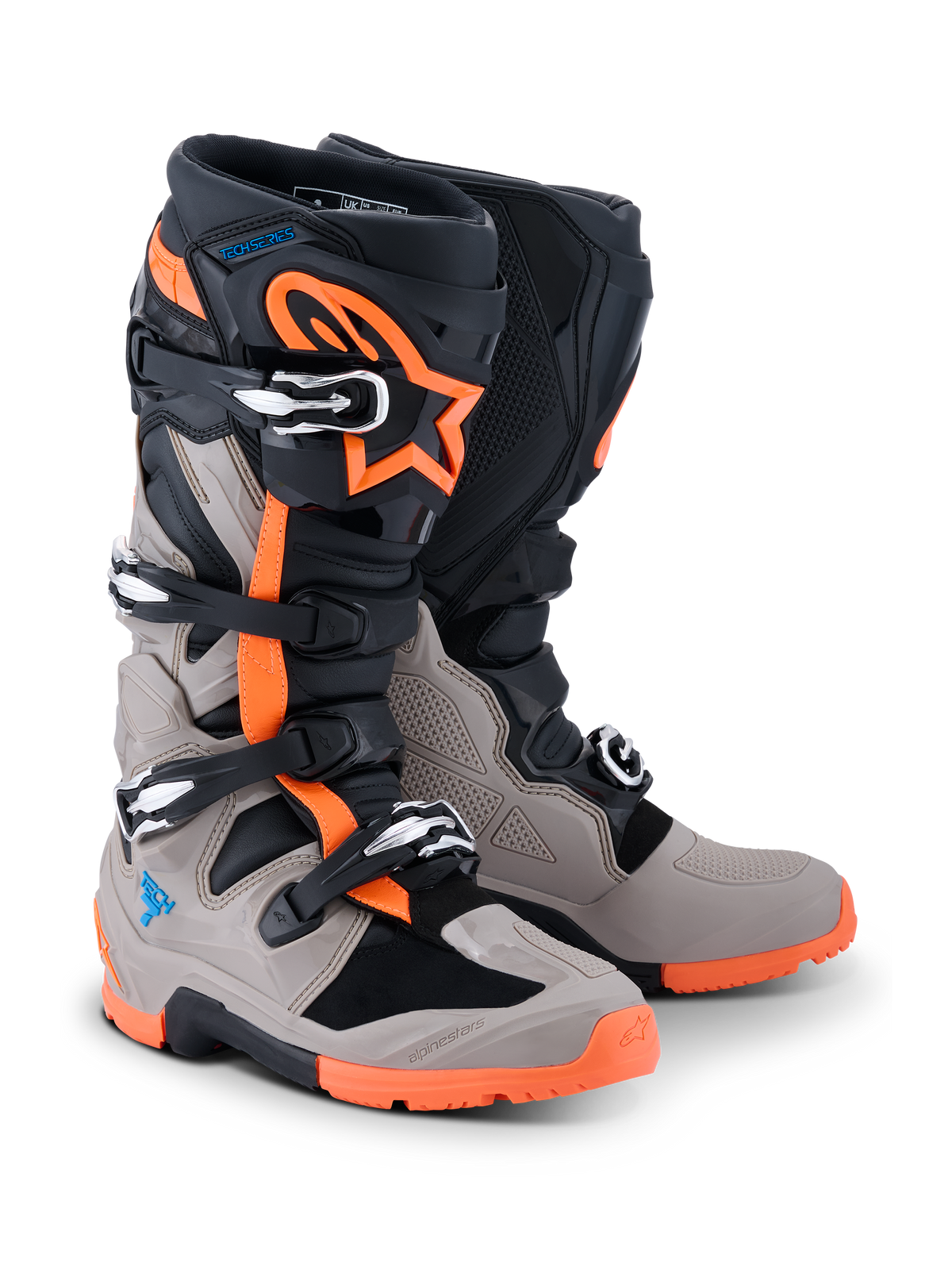
| Motocross / Enduro | Off-road competition and trail riding | Maximum shin and ankle protection, reinforced soles, high structural support |
To browse by use, see road boots, adventure motorcycle boots, urban boots, and MX boots.
How should riding boots fit, and how do I choose the right size?
Riding boots should feel secure at the heel, ankle, and instep without creating pressure points. Your toes should have a small amount of room at the front, but the boot should not feel loose enough to lift at the heel or shift when you walk or use the controls.
Measure your foot length and compare it with the product size chart. Try boots with the socks you normally ride in, and consider your use: sport and off-road riders often prefer a closer fit for control, while touring riders may want slightly more room for thicker socks and longer days in the saddle.
Are these boots waterproof, vented, or suitable for different weather conditions?
This collection includes boots designed for different climates and riding conditions. Some models prioritize waterproof performance for commuting, touring, and mixed-weather riding, while others use vented constructions for higher airflow in hot conditions. Standard non-waterproof boots typically offer the most neutral balance for general use.
Choose waterproof boots for wet weather and variable temperatures, vented boots for hot and dry riding, and all-round constructions if you ride across multiple seasons. For off-road and adventure use, weather protection should also be balanced against flexibility, breathability, and walking comfort.
Are the boots in this collection CE certified?
Many boots in this collection are built as protective motorcycle or off-road footwear, and many models list CE certification on the individual product page. Certification, coverage, and protection level can vary depending on whether the boot is designed for road, touring, urban, or motocross use.
At collection level, key features to look for include reinforced heel and toe areas, ankle protection, abrasion-resistant uppers, structural sole support, and taller shin coverage on off-road or adventure models. Always check the product page for the exact certification and construction details before ordering.
How do I clean and care for motorcycle and off-road boots?
Remove mud, dust, and road grime with a soft brush or damp cloth after each ride. Clean the upper with mild soap and water when needed, and avoid harsh chemicals, bleach, or machine washing, which can damage protective materials, adhesives, and finishes.
Let boots air-dry naturally away from direct heat. If the construction uses leather, apply an appropriate conditioner sparingly; for synthetic materials, use a cleaner intended for technical footwear. Regularly inspect soles, buckles, closures, and stitching, and replace boots if they show significant wear, structural damage, or reduced support.